
Last updated November 15, 2026
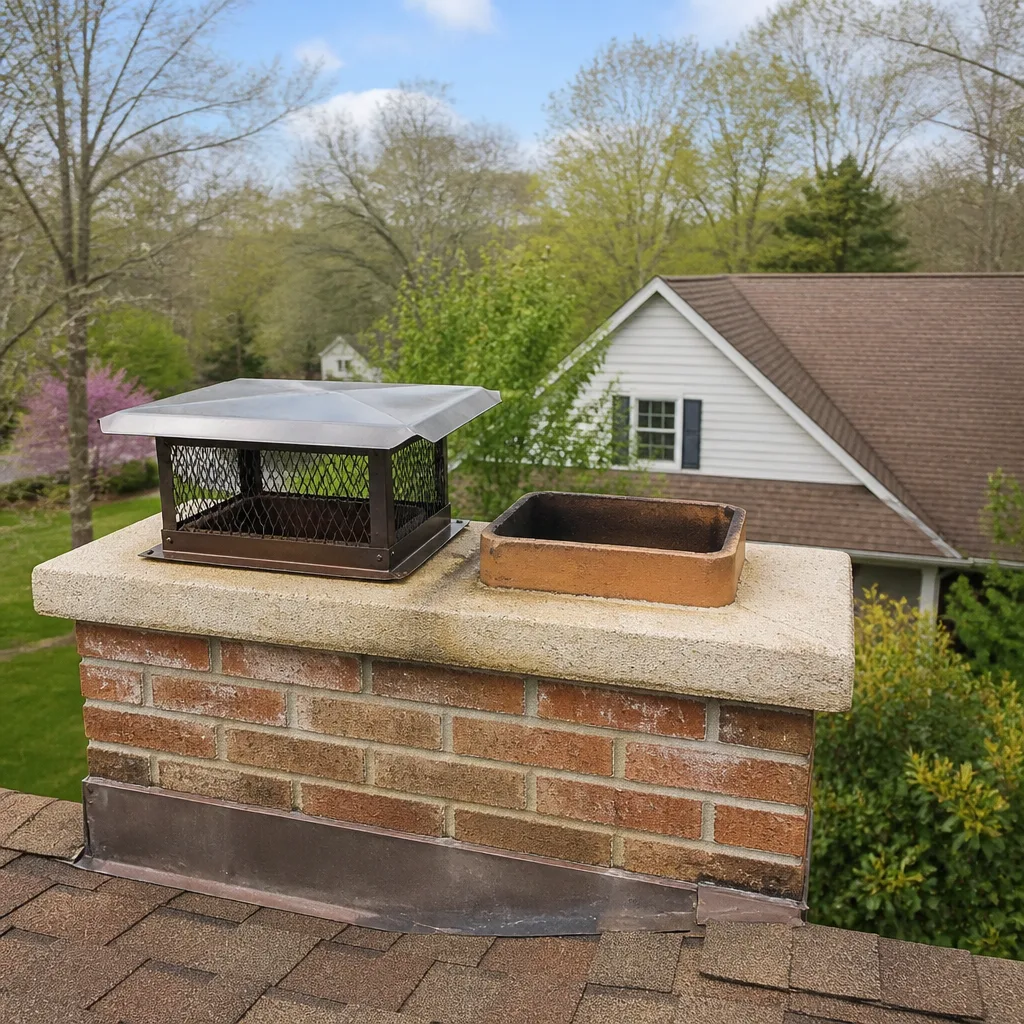 Sweep & inspection
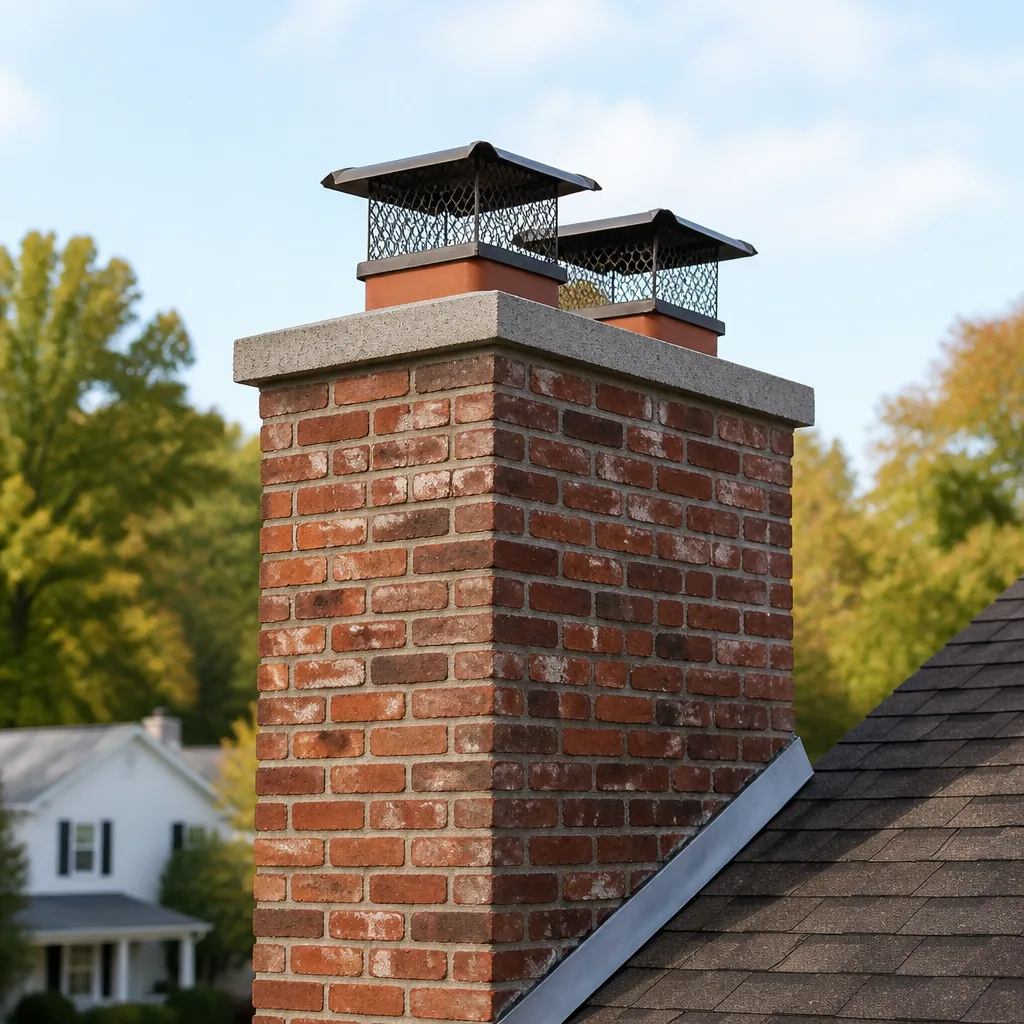 Caps & crowns
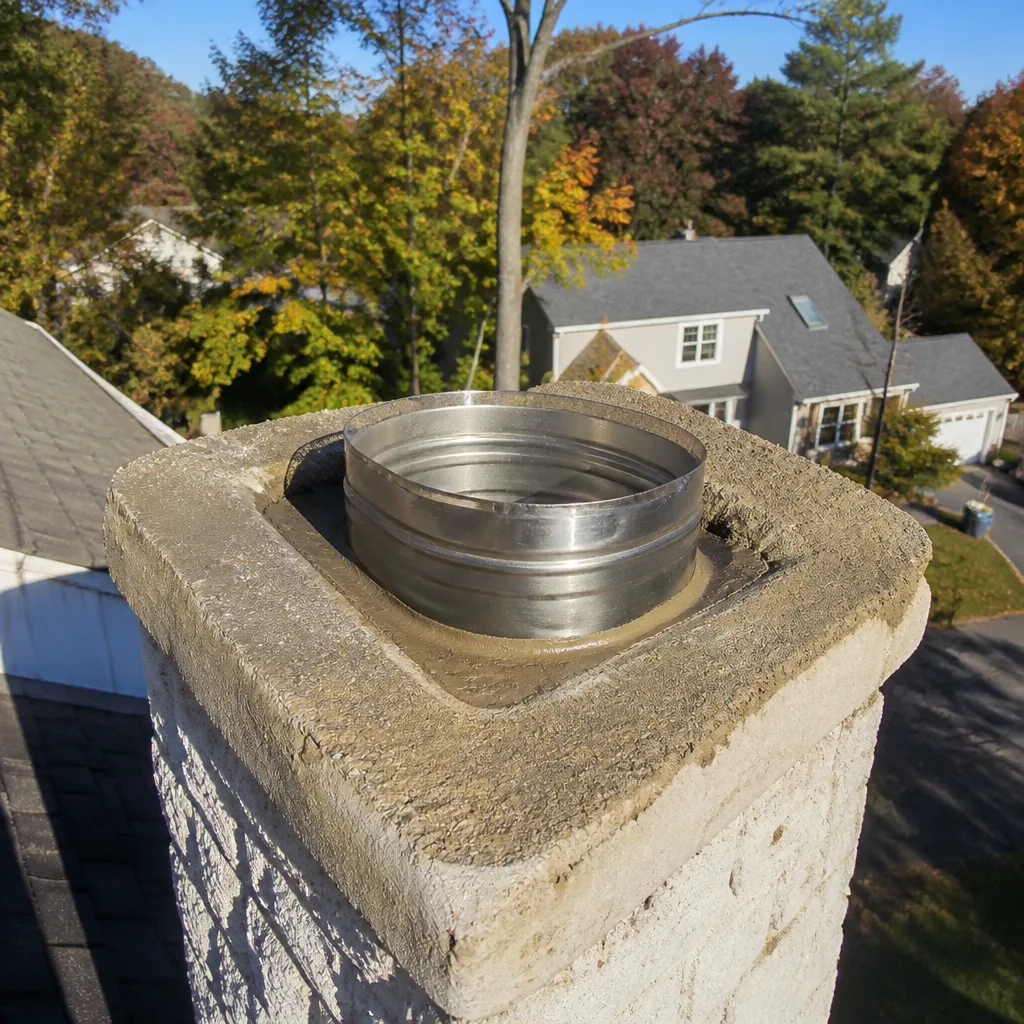 Flue relining
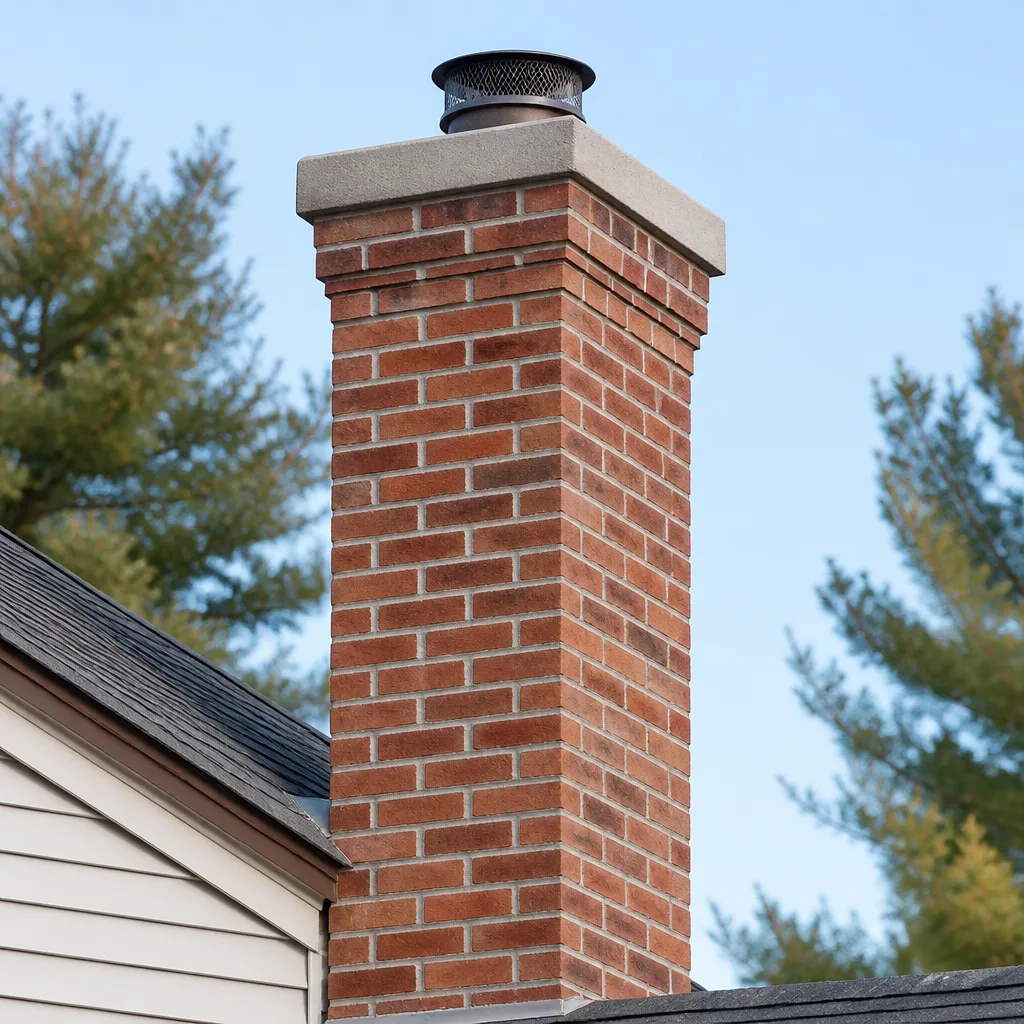 Masonry repair
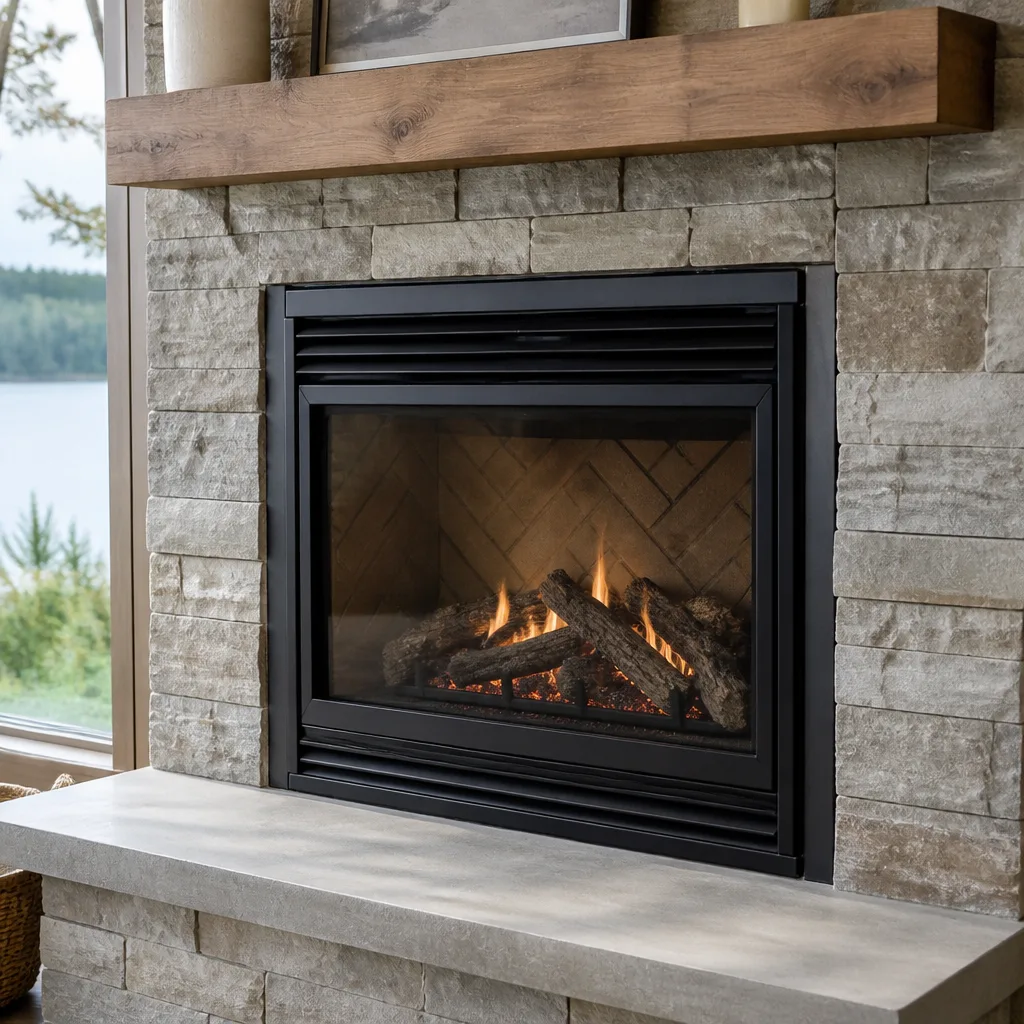 Gas fireplace service
Level 1 sweep and inspection to the NFPA 211 annual standard - flue, crown, cap, and flashing checked and photographed
Chimney sweep logs do not sweep chimneys. They loosen some creosote - which then falls where a brush and vacuum still have to collect it.
Seasonal Chimney Cleaning Care for Scottsdale: Year-Round Homeowner’s Guide
Most Scottsdale homeowners treat chimney care as a fall chore. October arrives, burn season is two weeks out, and the phone calls start. The trouble is that by then you’re discovering every bit of damage the summer already did, with the first fire already on the calendar. The smarter calendar flips that sequence. Your chimney does its hardest living between April and October, when heat, monsoon humidity and nesting animals work on it while the fireplace sits idle. This guide walks through what actually happens inside a Scottsdale chimney over the course of a year, when to clean and inspect for the best information, and how to close the system down so summer doesn’t undo your spring work.
Quick Answer
The best time to clean and inspect a chimney in Scottsdale is late spring, right after burn season ends in March or April, because a post-season inspection catches the damage a full monsoon season will otherwise hide until fall. A pre-season check before the first fire still matters, but it reads cleaner than the system really is after months of heat and rain. Clean in spring for actionable data, monitor through summer, and inspect again in fall before you light the first fire.
Styles & brands we work with
- Sweep & inspection
- Caps & crowns
- Flue relining
- Masonry repair
- Gas fireplace service
Table of Contents
- Why a spring cleaning beats a fall cleaning
- What monsoon season does inside a Scottsdale chimney
- How summer heat and UV hit caps, flashing and metal components
- How to close a chimney for the off-season
- Why an idle six-month chimney still needs air and attention
- Your Scottsdale chimney task calendar
- What a proper inspection should document
- When cleaning turns into repair
Why a Spring Cleaning Beats a Fall Cleaning
A spring cleaning gives you more usable information than a fall cleaning, and the reason is simple arithmetic. When we sweep and inspect in March or April, the chimney is coming out of the six months it was actually used. The creosote load is at its peak. Any wear that built up during the burn season is fresh and visible. You’re looking at the system in the condition it earned, not the condition six months of disuse has covered up.
Compare that with an October appointment. The creosote from last season is still there, but now it’s been sitting through 100-plus-degree days and monsoon humidity. Cracks in the flue have had all summer to spread. A cap loosened by wind may have let a family of birds move in months ago. None of that damage is new. You’re just finding out about it late, with the first fire of the season already scheduled.
There’s a practical payoff to the spring window. If the inspection turns up something that needs attention, you have time to plan it, get a written estimate, and decide what can safely wait until fall. In October, the same finding usually has to be handled in a hurry because the fireplace is about to get used again.
In our experience, Scottsdale homeowners who move to a spring cycle report fewer surprises and a clearer picture of how the chimney ages. It also aligns with our chimney sweep work, which is built around documenting what we find rather than just clearing out the firebox.
What Monsoon Season Does Inside a Scottsdale Chimney
Monsoon season is the single biggest driver of chimney deterioration in Scottsdale, and it works quietly. From roughly July through September, humidity spikes, wind-driven rain arrives in bursts, and the chimney takes on water it doesn’t shed fast enough. That water does two things at once.
- It attacks mortar and masonry. Brick and mortar absorb moisture and then slowly release it. Repeated wet-dry cycles soften joints, widen hairline cracks and let water move deeper into the structure. Over several seasons, that shows up as crumbling mortar, spalling brick faces and a masonry crown that no longer sheds water.
- It feeds odor problems in the firebox. Creosote and soot left in the flue from last season are acidic. When humidity rises, those deposits release an odor that smells like a campfire someone tried to put out. It can drift into the living space even with the damper closed.
- It accelerates rust on metal components. Factory-built metal chimneys, dampers, and the fasteners holding a cap in place all react to moisture. A part that would last years in a dry climate can corrode faster when it’s regularly wetted and never fully dries.
- It pushes water past flashing. The sealant where the chimney meets the roof is one of the first things to fail when water sits on it. Once caulk or sealant opens a gap, water finds its way into the roof deck.
None of this announces itself. You don’t hear a chimney crack. What you do find, months later, is a problem that’s bigger than it needed to be because nobody looked at the right time. Cleaning and inspecting after burn season, before monsoon arrives, means the system goes into summer with a clean flue and any known weak points addressed.
How Summer Heat and UV Hit Caps, Flashing and Metal Components
Scottsdale’s sustained stretches at or above 110°F are hard on the parts of a chimney that sit outdoors all day. The two failure points we see most are the cap and the flashing sealants, and both fail for the same reason: the material is being baked and flexed daily.
Chimney caps
A chimney cap does three jobs. It keeps rain out of the flue, keeps wildlife from using the chimney as a den, and keeps sparks off the roof. Summer heat and UV light break down the protective finishes on caps and dry out the sealant and fasteners that hold them down. A cap that’s been loosened by heat, wind or a monsoon gust stops doing any of those jobs, but it’s easy to miss from ground level. Most of the time we find out a cap is loose because a homeowner mentions birds or a draft, not because they saw it.
Flashing and sealants
The sealant around chimney flashing goes through a hard cycle in the desert. Daytime heat softens it, overnight cooling hardens it, and UV breaks down the surface a little each time. On a chimney that hasn’t been looked at in a couple of seasons, that sealant can be cracked and pulling away from the masonry. That’s the point where water gets past the base of the chimney and into the house. A professional-grade cap and a proper flashing reseal are not expensive relative to the damage they prevent, and they’re both things we check on every inspection.
Factory-built metal chimneys
Metal prefab chimneys take the heat too. Paint fails, seams loosen and the metal expands and contracts with the temperature swing. None of this is reason for alarm if it’s caught early. It is a reason to look at the whole system once a year rather than only the flue.
How to Close a Chimney for the Off-Season
Closing a chimney properly for the off-season is mostly about denying access. You’re keeping out rain, keeping out wildlife, and keeping the flue from becoming a wet, food-smelling cavity that attracts animals. Here’s the sequence we recommend for a Scottsdale home:
- Clean the flue first. A sweep right after burn season removes soot and creosote, which is what produces the odor problem and what animals smell. Sealing a dirty flue for the summer just traps the problem inside.
- Inspect and note any issues. Have the chimney inspected while it’s clean so the report reflects the actual condition and not a layer of soot. If any repair is recommended, this is when you decide what to schedule.
- Confirm the damper is closed and the firebox is clean. A closed damper blocks the main path from the fireplace into the home for both air movement and pests.
- Make sure a cap is in place and secure. A properly fitted cap with mesh screen is the most effective single defense against birds, squirrels and raccoons. It also keeps rain out of the flue.
- Check the flashing and crown. Look for cracked sealant, lifted flashing, or a masonry crown that no longer sheds water away from the chimney base. These are the entry points that matter most in monsoon season.
- Leave some airflow. A chimney that’s completely sealed with no airflow can trap moisture. The cap does the work; the flue itself should stay able to breathe.
If any of this is beyond what you can check safely from the ground, that’s a good reason to have a professional look. A rooftop inspection is not a place to improvise, and the fix for an animal or a failing cap is usually quick once it’s identified.
Why an Idle Chimney Still Deserves a Look in Summer
A chimney is a system with moving parts and a job to do even when nothing is burning. Over an idle Scottsdale summer, several things happen that you’d never notice from inside the house:
- Animals move in. Birds, squirrels and occasionally larger animals find an open or uncapped chimney a comfortable space. A nest becomes a fire hazard, and the animal activity can bring debris into the firebox.
- Odor builds. Creosote and soot deposits combined with monsoon humidity produce a smell that can reach the living room. Many Scottsdale homeowners first call about a smell in late summer, not about a fire risk.
- Water gets in. A cap gap, a failed flashing seal, or a cracked crown all allow water in during monsoon storms. Over a season, that moisture works on mortar and metal.
- Pests and debris settle. Even with a cap, small debris can collect. A quick look before the next burn season confirms nothing has taken up residence.
Standing outside and looking up at the chimney is the easiest check a homeowner can do in summer. A missing or tilted cap, cracked flashing or obvious masonry damage all show up in a simple look. Everything else takes getting on the roof, which is when you call us.
Your Scottsdale Chimney Task Calendar
This is the calendar we suggest to any Scottsdale homeowner with a working fireplace. It’s built around the way Scottsdale’s climate actually behaves, not the way a generic chimney guide written for a cold-weather state would schedule it.
Spring (March to April): post-season cleaning and inspection
- Schedule a chimney sweep and inspection after the last fire of the season.
- Get any needed chimney repair identified in writing while there’s time to plan it.
- Confirm a secure cap is in place before summer.
- Check the flashing sealant and masonry crown.
Summer (June to September): monitor and protect
- Look at the chimney from the ground after the first big monsoon storm. Catching a loosened cap or visible flashing failure early is the whole game.
- Watch for odors in the living space, which usually means moisture and deposits inside the flue.
- Listen for scratching or bird activity near the chimney.
- Leave the damper closed and the firebox clean.
Fall (October): pre-season check before the first fire
- Inspect the firebox visually for animal activity, nests or debris.
- Test the damper to confirm it opens and closes fully.
- Confirm the cap is still secure and the screen intact.
- If you didn’t clean in spring, get a sweep scheduled before the first fire. A fall sweep is better than nothing; it’s just less informative than a spring one.
Winter (burn season): safe use habits
- Burn dry, seasoned wood. Wet wood produces more creosote.
- Don’t overload the firebox.
- Keep a chimney fire in mind: if you hear a roar like a freight train, see a glowing or warped flue from outside, or notice very dark smoke, stop using the fireplace and have it inspected.
What a Proper Inspection Should Document
An inspection that produces a verbal “your chimney looks fine” is not useful. What you want is a documented condition report you can look at and reason about, because that’s what lets you decide whether a repair recommendation is real or is just an upsell. A proper inspection should tell you:
- What was checked and how. The firebox, flue, damper, cap, flashing and exterior masonry all described in plain terms.
- Condition of the flue liner. Whether it’s intact, cracking, or deteriorated enough that a liner repair or replacement is worth discussing. This is where chimney repair decisions get made, and where we use products like HeatShield or DuraFlex when the case calls for it.
- Creosote buildup and stage. Not just “there’s some creosote,” but how much and whether a cleaning is enough.
- Exterior condition. Cap, crown, flashing and masonry joints, described as they actually are.
- Clear recommendations, ranked by urgency. What needs attention now, what can wait a season, and what can wait longer.
In our experience, the value of a documented inspection is that the homeowner stays in control of the decisions. You’re not being asked to trust a recommendation you can’t verify; you’re being shown what we found and given the reason behind every item on the list. We document what we find before we recommend anything, and if some of it can safely wait until next year, we say so.
When Cleaning Turns Into Repair
Cleaning should never turn into a repair automatically. The two are connected because cleaning is when you can actually see the flue, but that’s exactly why you want to know what a real repair problem looks like versus normal aging. Here’s the honest read:
- Creosote that won’t come off with a standard sweep. Heavy or glazed creosote sometimes calls for more than a brush. That’s a cleaning issue, not a structural one.
- Cracked or spalling flue tiles. This is the most common repair call we handle. Spalling or severely cracked tile can allow heat and gases to move where they shouldn’t. Depending on what an inspection shows, options range from resurfacing to lining. HeatShield is a resurfacing system we can work with, and DuraFlex flexible liners address a deteriorated or mismatched flue directly.
- A failed cap or flashing seal. Both are straightforward to repair and worth fixing promptly, since both protect the structure.
- Damaged masonry crown. A crown that no longer sheds water needs attention before the next monsoon season.
- Damper that won’t close. A damaged damper costs you heat and money and can let summer odors into the living space.
If a recommendation goes beyond cleaning, ask what evidence supports it. You should be able to see the reason, not just be told about it.
Common Mistakes to Avoid
- Waiting until October to book a cleaning. The last-minute fall appointment is the most common pattern we see, and it means you’re discovering the summer’s damage with the first fire two weeks away. Book for spring instead.
- Ignoring the cap until the fall. A cap that comes loose in monsoon season can stay loose for months. Look up at your chimney after the first big storm.
- Treating the firebox and the flue as the same thing. A swept firebox is not a clean chimney. The flue is where creosote builds up and where the fire risk actually lives.
- Assuming dry heat means no water damage. Scottsdale’s dry season doesn’t stop monsoon storms from putting water into the chimney. Water is the primary driver of masonry deterioration here, and it doesn’t take much.
- Accepting a verbal inspection with no written report. If you can’t see or read what was found, you have no way to verify any repair recommendation.
- Closing the chimney for summer without checking the flashing. A clean flue and a secure cap are worth less if the flashing seal has already failed and water is getting in anyway.
- Leaving an animal family in the flue. A nest is a genuine fire hazard and blocks the chimney. If you hear birds, it needs a professional look.
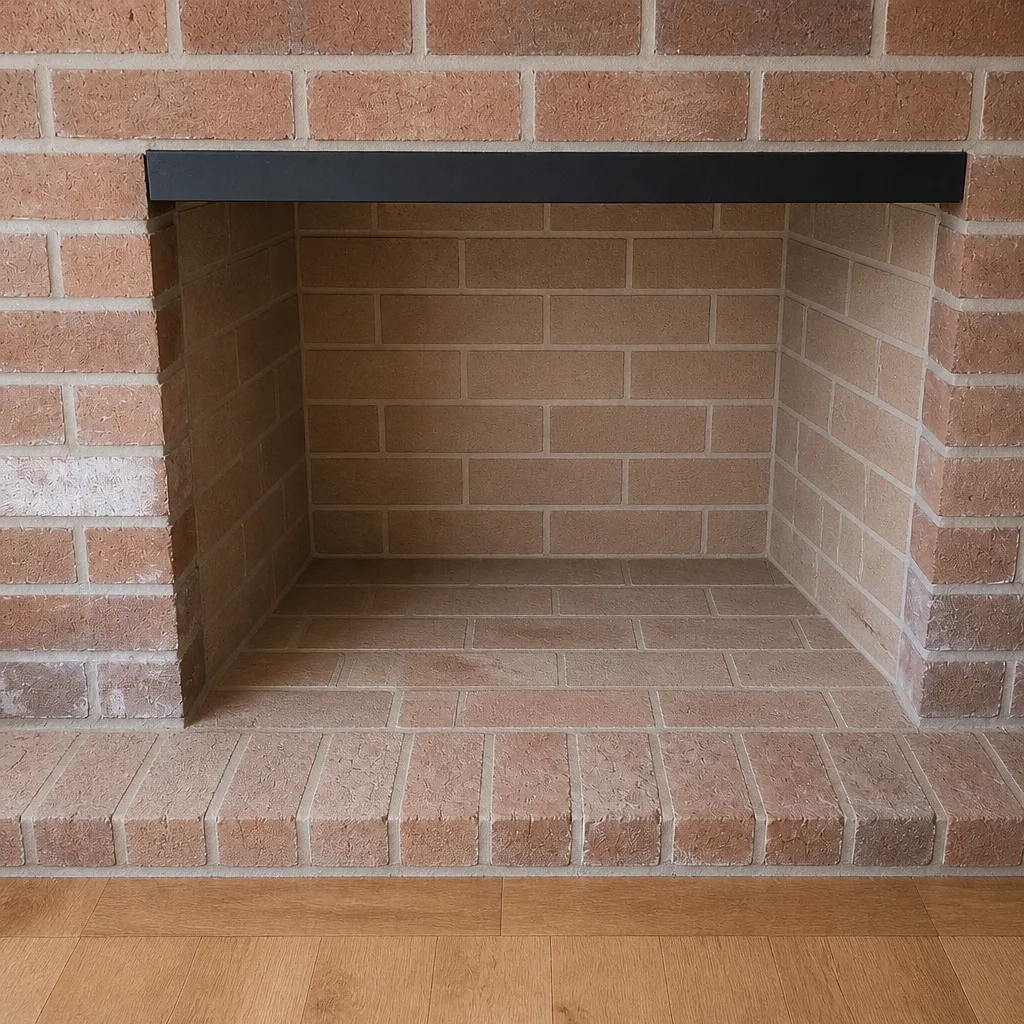
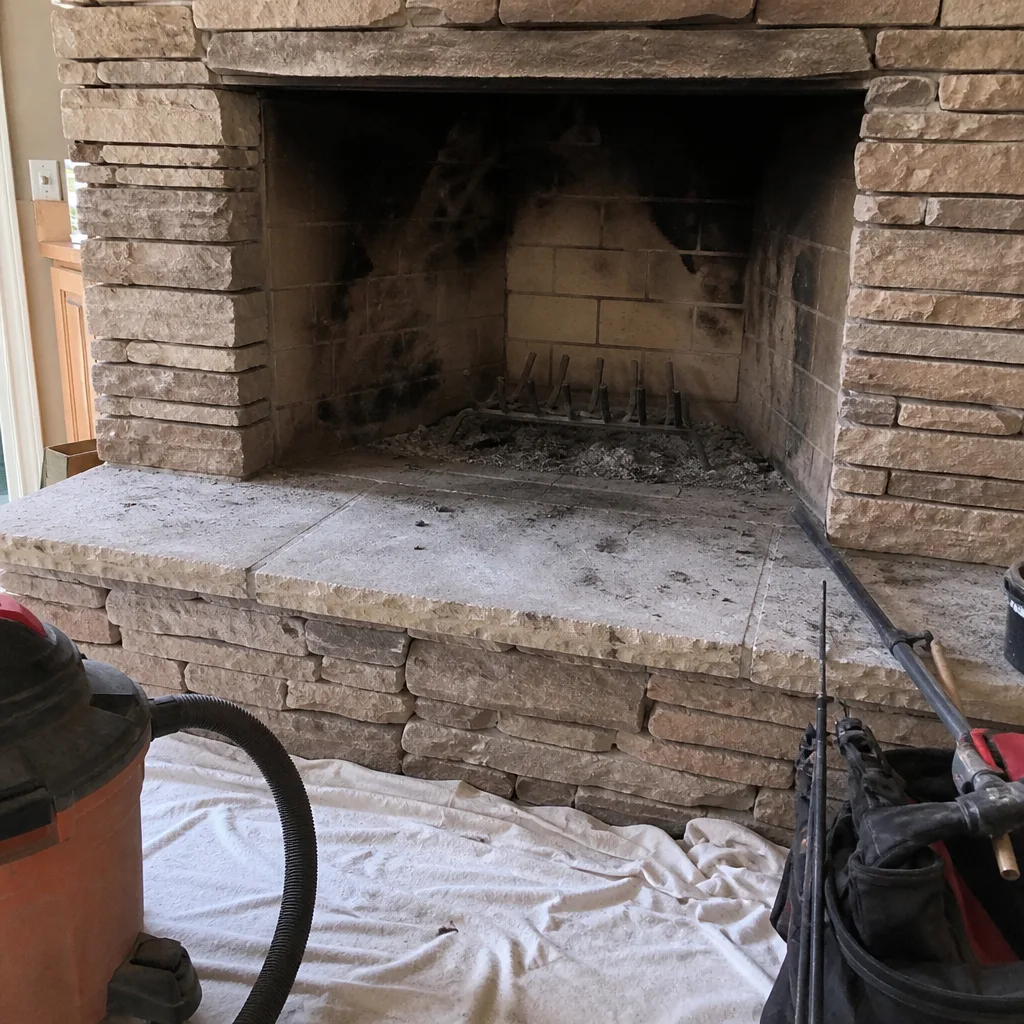
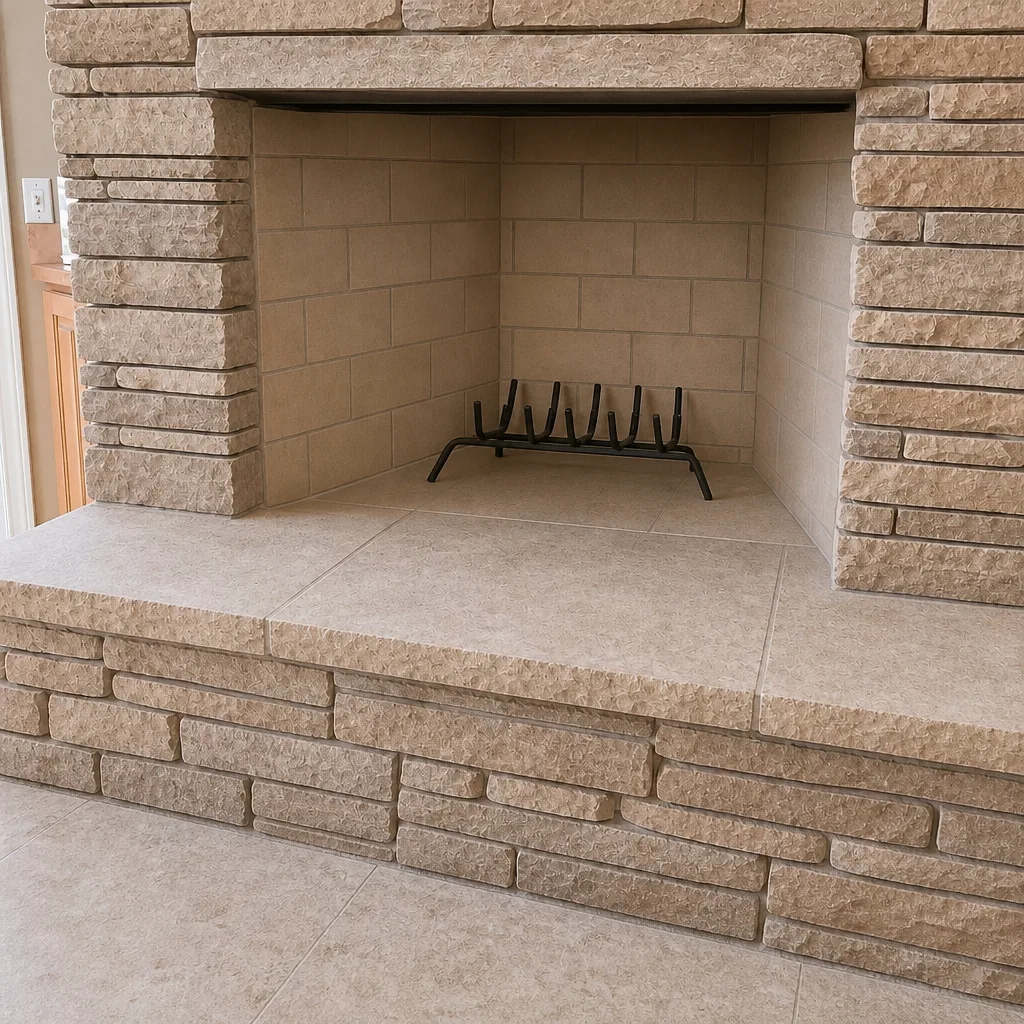
See the difference
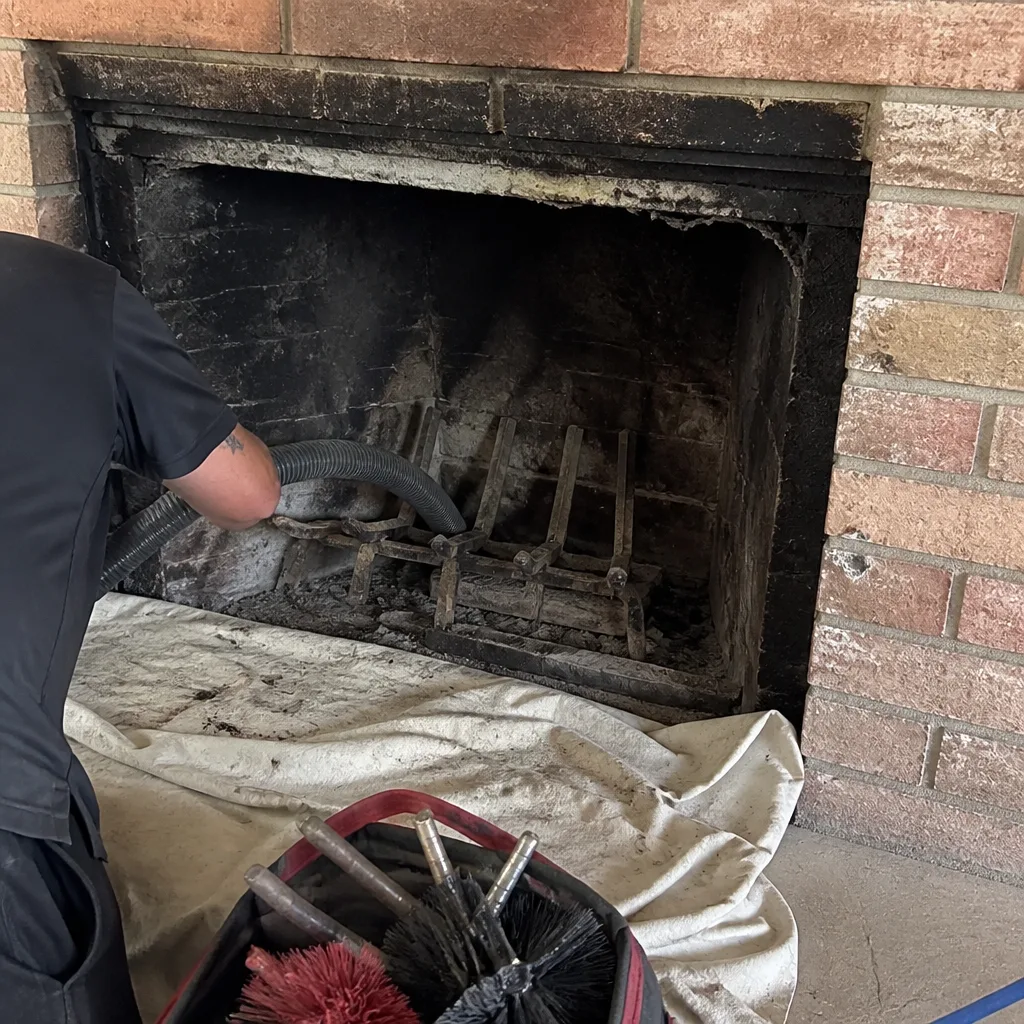 Before
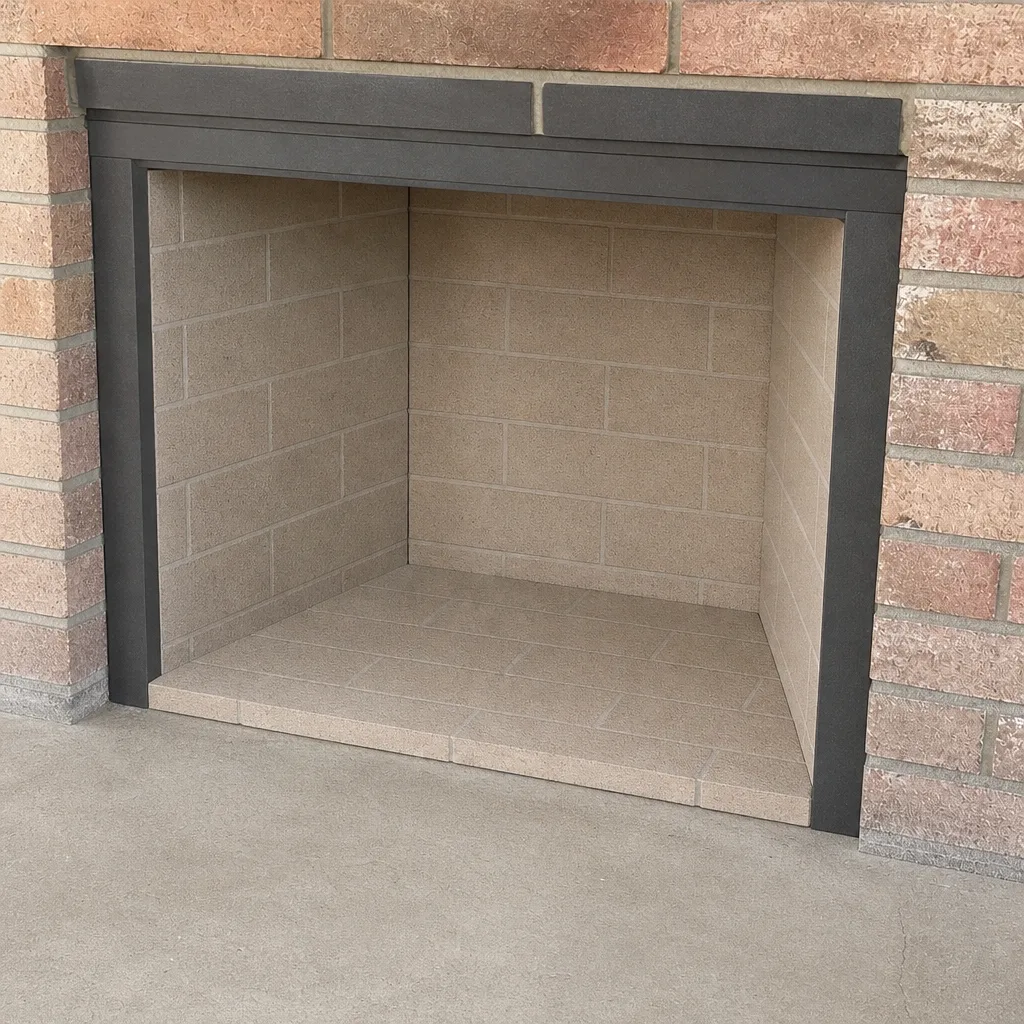 After
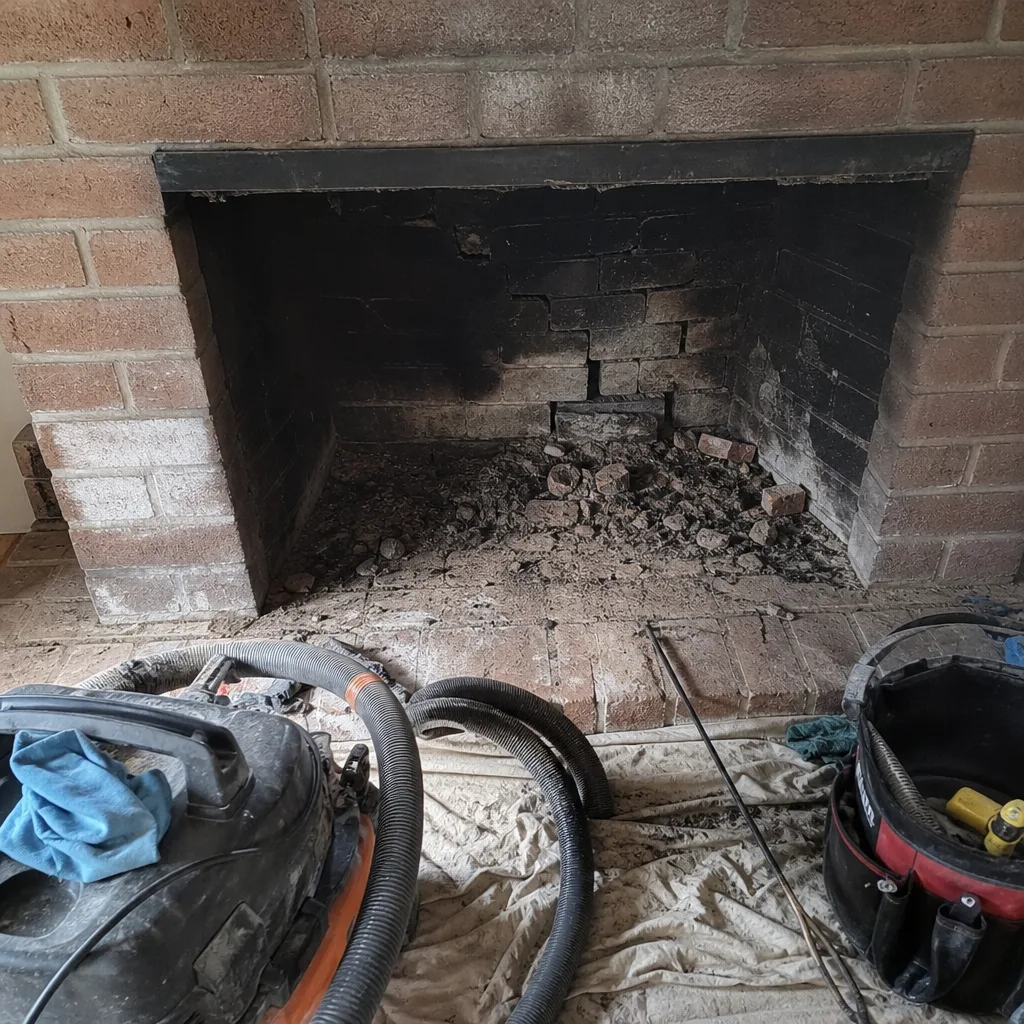 Before
 After
 Before
 After
When to Call a Professional
Some chimney care is a homeowner job. Looking at the cap from the ground, keeping the firebox clear and checking the damper are all things you can do safely. Other things should go to a professional: any inspection that requires getting on the roof, an animal or nest in the flue, a cap or flashing that needs repair, a damper that won’t operate, a smell or draft problem that persists, and any suspicion of a cracked or deteriorated flue liner. Those are the cases where experience and the right tools matter. At Scottsdale Chimney Sweep, our technicians have up to experience, and when we’re on a rooftop we’re documenting the whole system, not just the flue. Call (888) 340-2124 for a free estimate. We answer 24/7. Fast dispatch from 7am to 7pm, Sunday through Friday.
Frequently Asked Questions
Once a year for a home that uses the fireplace regularly, and we recommend scheduling it in spring after the burn season ends. A home in Scottsdale that burns every fall and winter should be swept every year without exception. Heavy creosote buildup is the fire risk, and a sweep is what removes it.
After burn season, in March or April. A post-season sweep and inspection catches the wear from a full season of use, gives you time to plan any repair, and sends the chimney into summer clean and dry. A fall sweep is still a good idea if you missed spring, but it gives you less information and less time to act on it.
Creosote and soot left in the flue react with monsoon humidity, and the smell gets pushed into the living space even with the damper closed. The fix is a spring sweep before humidity arrives, plus checking the cap and drying out the system. A persistent smell also warrants an inspection.
Yes, mostly at the cap, the flashing sealant and the metal components. Sustained temperatures at 110°F and above break down finishes and sealants, and the daily heat cycle cracks the sealant around the flashing. An annual look at those parts catches the problem before it lets water into the house.
You should have a properly fitted cap in place year-round, but don’t seal the chimney completely. Sealing a clean, dry chimney with a cap is the right move; sealing one with trapped moisture creates a bigger problem. If you don’t have a cap, have one installed.
Usually, the chimney goes into the next season with creosote and soot from the prior season, moisture damage and a cap or flashing issue that wasn’t caught in time. The cost of a sweep and inspection is small compared to a liner or masonry repair that could have been avoided.
The Bottom Line
The calendar matters as much as the service. Scottsdale’s chimney damage happens between April and October, driven by monsoon humidity and summer heat, while the fireplace sits unused. Cleaning and inspecting in spring gives you the most accurate picture of what the system needs, and closing it down properly protects it through the summer. A pre-season check before the first fire still has value, but it should be the second look, not the only one. Our technicians have up to experience, and we treat the whole system, not just the flue. Call (888) 340-2124 for a free estimate. We answer 24/7. Fast dispatch from 7am to 7pm, Sunday through Friday.
Written by the team at Scottsdale Chimney Sweep.