
Last updated November 15, 2026
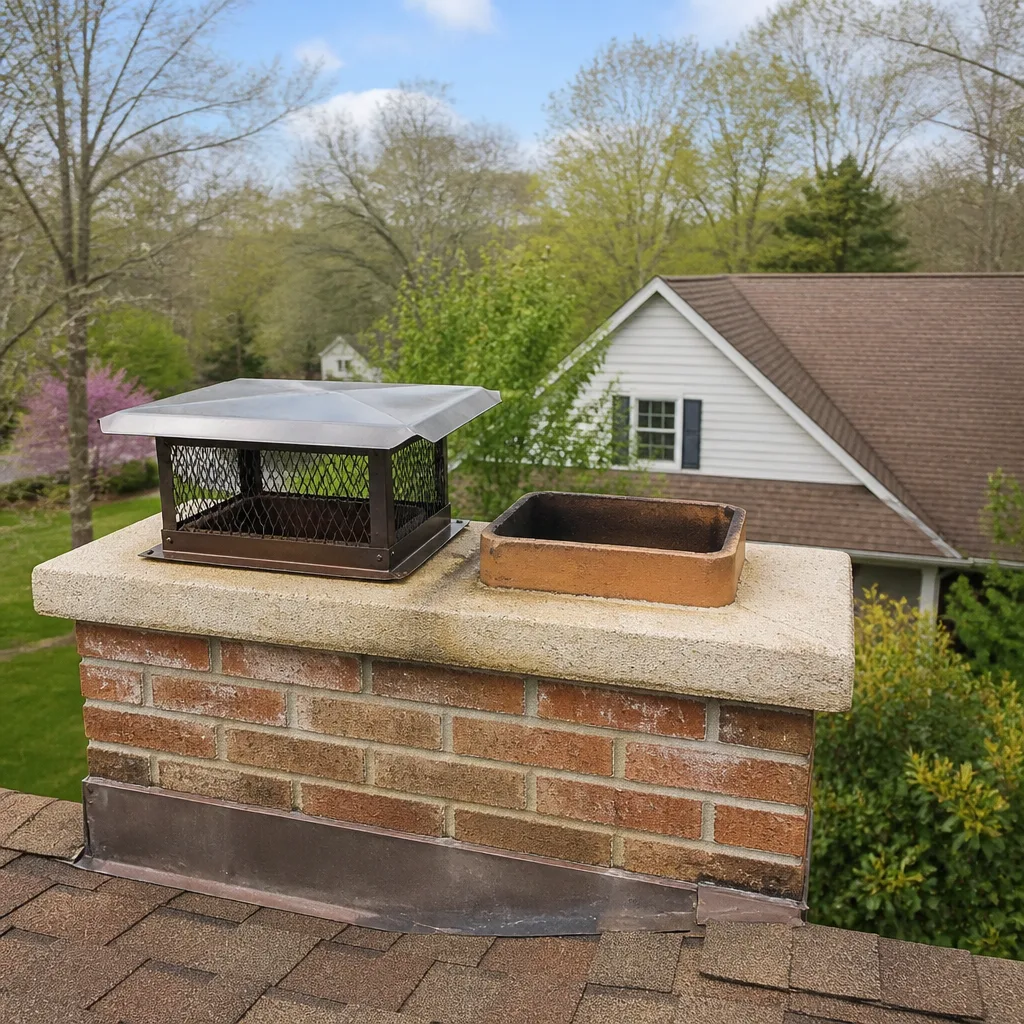 Sweep & inspection
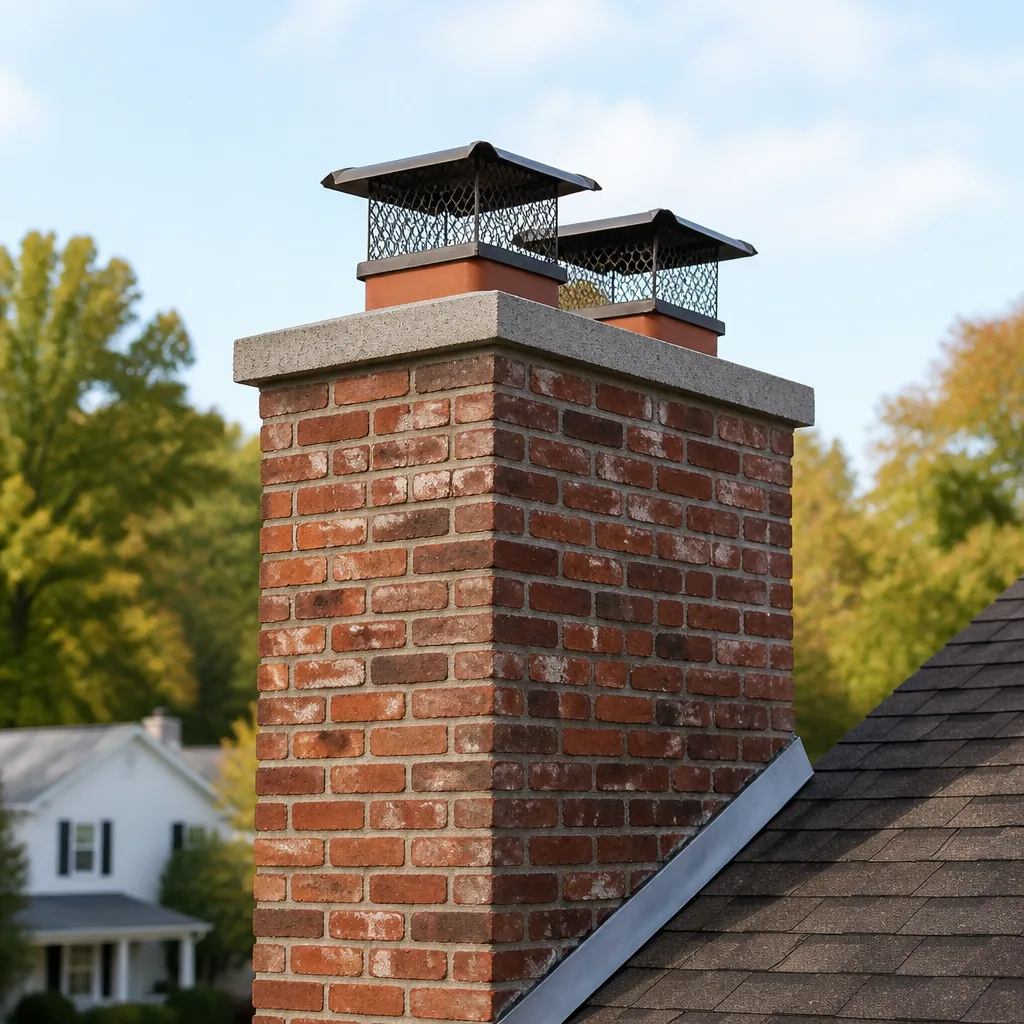 Caps & crowns
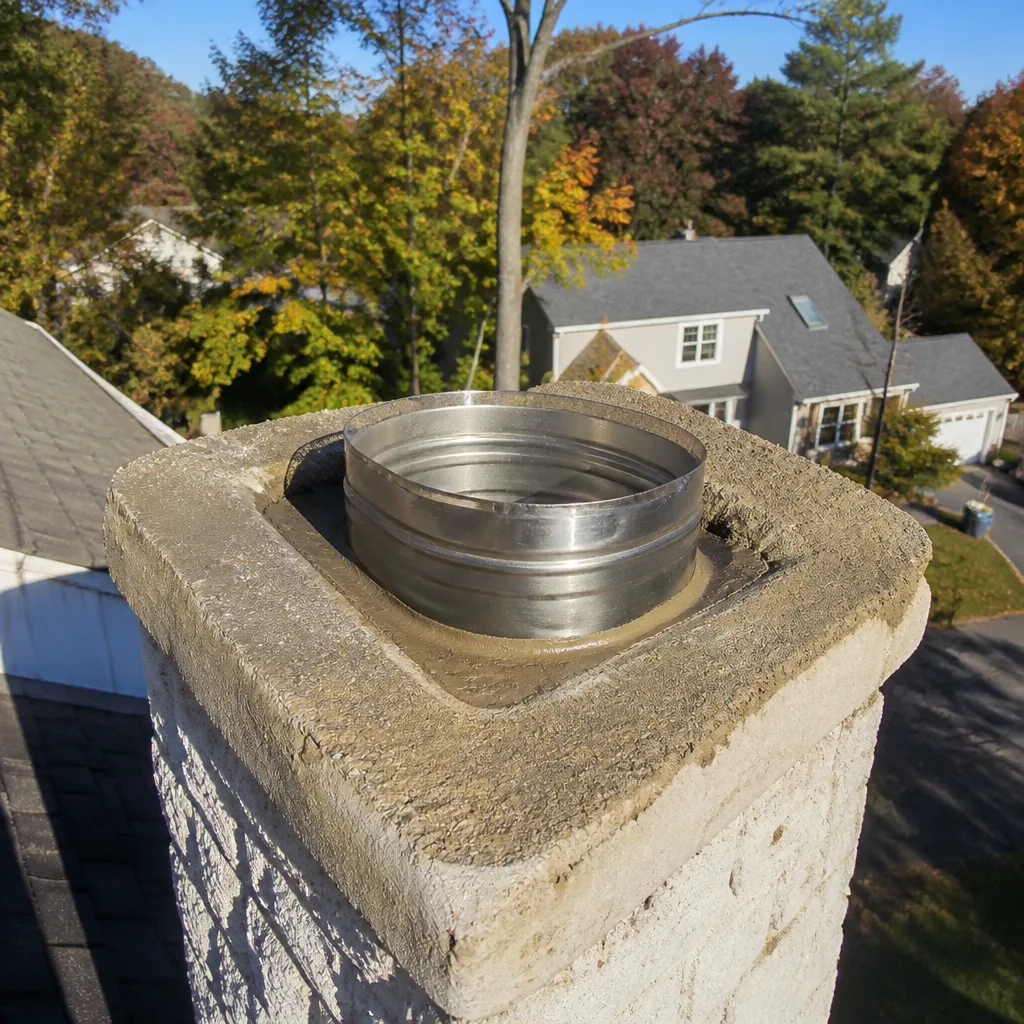 Flue relining
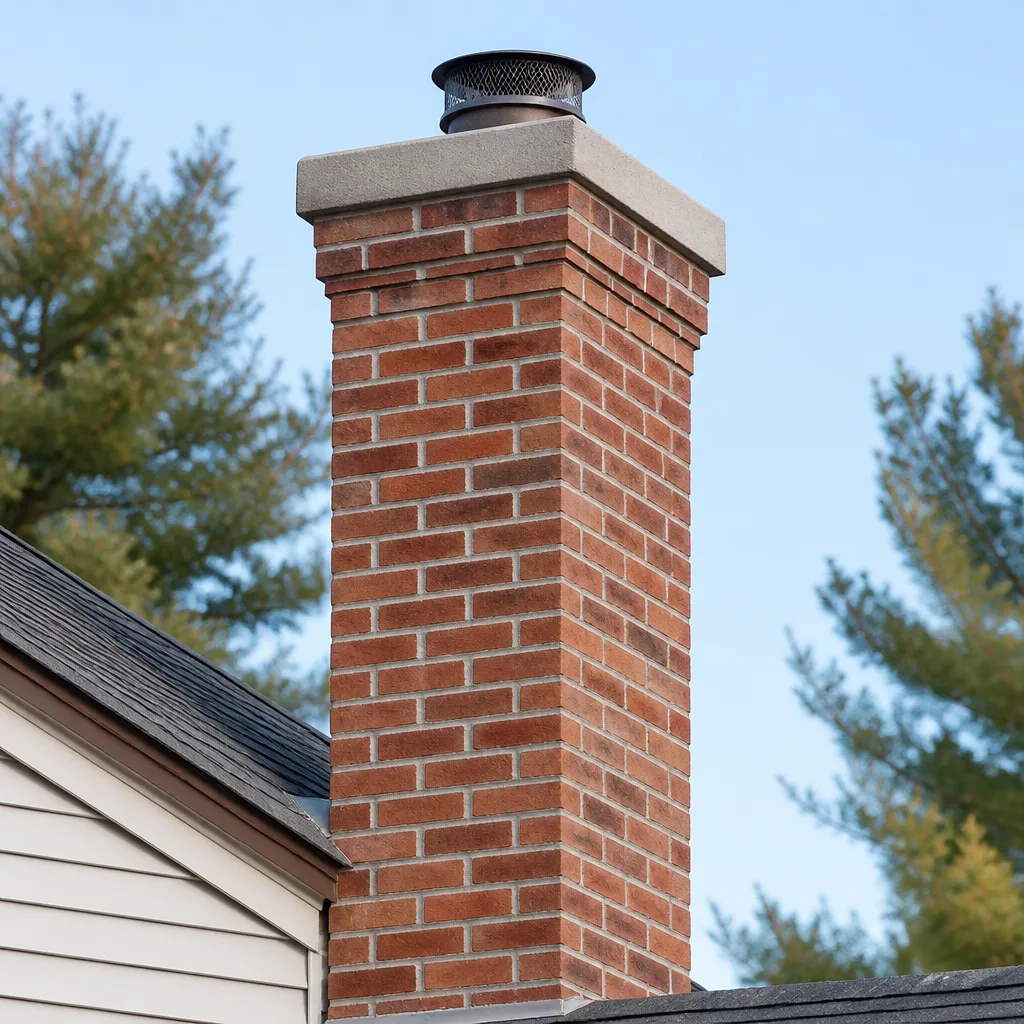 Masonry repair
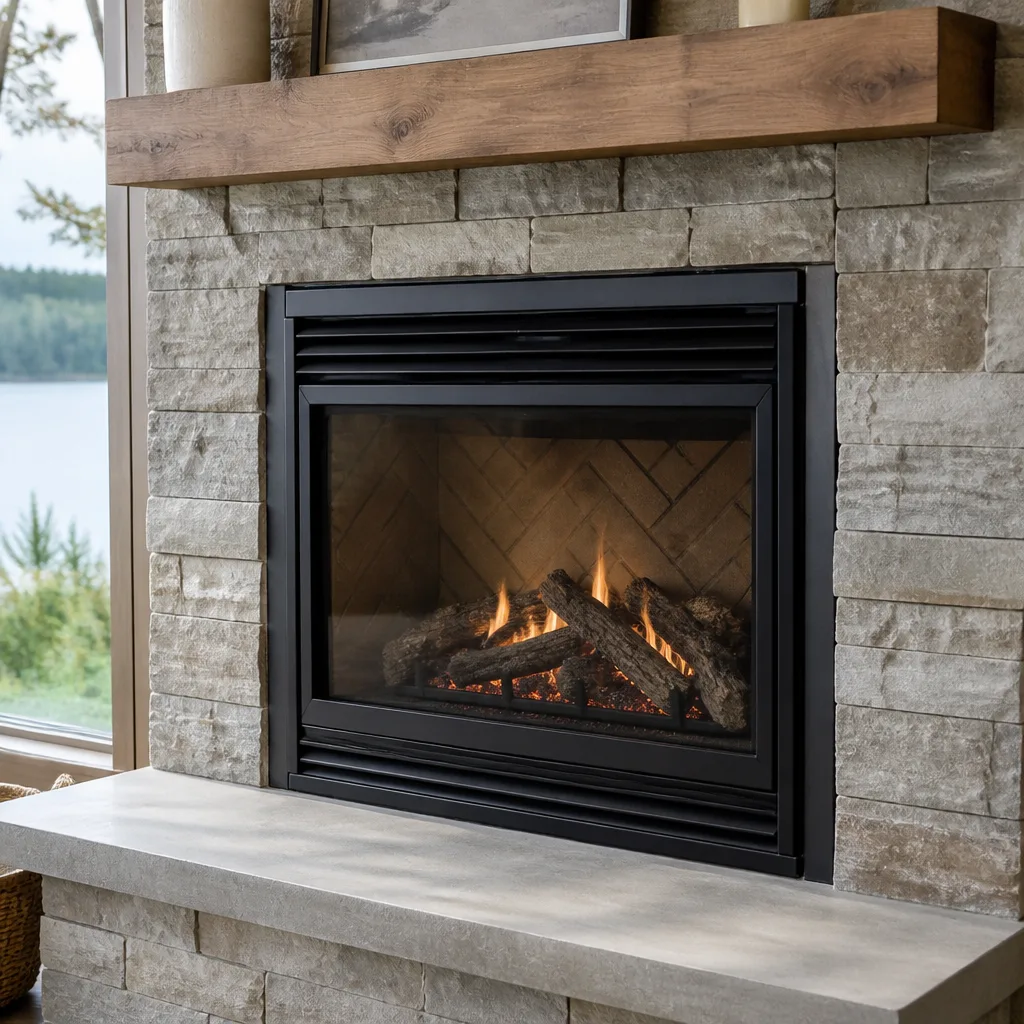 Gas fireplace service
Level 1 sweep and inspection to the NFPA 211 annual standard - flue, crown, cap, and flashing checked and photographed
Chimney sweep logs do not sweep chimneys. They loosen some creosote - which then falls where a brush and vacuum still have to collect it.
Chimney Sweep Maintenance Schedule: What to Do and When
Most chimney care advice you’ll read was written for New England, where a fireplace runs five nights a week from October to April. If you live in Scottsdale, that advice doesn’t fit your house. Plenty of us light a fire on a cool winter evening and then leave the fireplace alone for eight months while the desert does its own work on the stack outside. If you burned fewer than 20 fires last season and skipped your inspection, you probably don’t need to panic – but the summer monsoon likely did more to your chimney than your fires did. This guide explains a maintenance schedule built around usage and desert weather instead of the calendar, so you know what actually needs doing in Scottsdale and what can safely wait.
Quick Answer
In Scottsdale, chimney maintenance should run on usage and weather, not the calendar. Sweep when you’ve burned about a cord of wood or when a half-inch of soot builds up, inspect every year before your first fire and again after monsoon season, and watch the cap, crown and flashing year-round. A gas insert with zero creosote still needs an annual inspection for carbon residue and venting.
Styles & brands we work with
- Sweep & inspection
- Caps & crowns
- Flue relining
- Masonry repair
- Gas fireplace service
Table of Contents
- Why the “Inspect Every Year” Rule Needs a Desert Rewrite
- The Usage-Based Inspection Trigger Model
- The Post-Monsoon Checklist: What to Check Every September
- When to Sweep by Cord-Wood Burned, Not by Calendar
- Why Gas Fireplace Inserts Still Need Annual Inspection
- Your Seasonal Breakdown: October, April, and Year-Round
- A Step-by-Step Annual Routine You Can Follow
- How a Real Inspection Works: What Gets Documented
Why the “Inspect Every Year” Rule Needs a Desert Rewrite
The National Fire Protection Association’s guidance calls for chimneys, fireplaces and vents to be inspected annually, and swept as needed. That’s the standard, and it exists for good reason. But the word homeowners hear is “annual,” and they treat it like a birthday: once every twelve months, on a calendar timer. In a climate with heavy winter fireplace use, that lines up pretty well. In Scottsdale, it doesn’t.
Here’s what the guidance actually accounts for. The purpose of an annual inspection isn’t to find creosote in every chimney – it’s to catch the things that go wrong whether or not you’ve been burning, from cracked flue tiles to a crown that has started to break down. Fireplace usage is one variable. Weather exposure is the other, and in the Sonoran Desert that variable is significant. We’ve seen chimneys with almost no soot inside that still had a real problem at the top, because the outside of the stack takes more punishment than people expect.
What that means for you:
- If you burn heavily, creosote is your main concern and sweeping frequency matters most.
- If you burn lightly, weather degradation is your main concern and inspection timing matters most.
- If you burn gas only, neither creosote nor wood smoke applies, but venting and carbon residue still do.
The practical rewrite is simple. Keep the yearly inspection as your baseline – it’s a sound habit and it’s what gives you documentation – but build a schedule around two things the calendar can’t tell you: how much you actually burned, and how the outside of the chimney held up through the summer. For a broader look at what a chimney sweep involves from start to finish, that’s covered separately. The rest of this guide is about timing.
The Usage-Based Inspection Trigger Model
In Scottsdale, most homeowners burn somewhere between 30 and 60 nights a year at most – a couple of months of occasional evening fires, usually on the coldest stretches. That’s a fraction of what the annual-inspection rule was designed around. So the honest question isn’t “has a year passed?” It’s “what has actually accumulated, and what has changed?”
Here’s the trigger model we use when we talk to homeowners about how often to inspect. Treat it as a way to schedule, not a substitute for an inspection that spots a real defect.
- Under about 20 fires since your last service. Creosote buildup is likely minimal. The main risk is weather-related, not fire-related. Schedule your inspection for early fall, after monsoon season, so you catch summer damage before you start burning again.
- 20 to 60 fires. This is the normal Scottsdale range. Inspect once, in the fall before your first fire. If the firebox and flue were clean and sound the prior year and you’ve used dry, well-seasoned wood, that single annual inspection is usually enough.
- 60 to 100 fires, or any burn rate above that. You’re in heavier-use territory. Inspect before the season, and if you notice performance changes mid-season – a draft that weakens, smoke rolling into the room, a stronger smell – that warrants an additional look.
- Any persistent symptoms. Smoke entering the room, an odor that lingers after the fire is out, a draft that pulls down instead of up, or visible damage at the cap: these override the trigger model. Those are inspection triggers, full stop.
One more variable: what you’ve been burning. Resinous softwoods and poor-quality firewood leave far more deposit per fire than dry, seasoned hardwood. The same number of fires can mean very different things depending on the wood, which is why a usage count is a starting point and an inspection is a verification. Our technicians have up to experience reading that difference, and the inspection-first approach exists so repair recommendations are based on documented findings rather than a guess.
The Post-Monsoon Checklist: What to Check Every September
Summer in Scottsdale is hard on a chimney, and the reason is moisture, not heat. The monsoon season brings intense, driven rain and rapid swings between soaking and drying out. That cycle works on the outside of the stack all summer long, and by September the top of your chimney may have taken real damage – even if you haven’t lit a fire in six months. We tell homeowners to run a visual check every September, before they even think about first-fire prep. Here’s what to look at from ground level, with binoculars if needed, and never up a ladder or on the roof.
- Spalling. Look for pieces of brick or stucco flaking off or landing on the roof or ground near the chimney. Spalling means moisture has gotten into the masonry and is pushing material apart from the inside. Once it starts on an exposed stack in a desert climate, it tends to spread.
- Crown wash erosion. The crown is the concrete or mortar cap on top that sheds water away from the flue. Monsoon rain and sun bake can erode it, and a cracked or washed-out crown sends water straight down into the chimney structure. Look for visible pits, cracks or crumbling at the top.
- Flashing separation. Flashing is the metal seal where the chimney meets the roof. Wind-driven rain and thermal movement can pull it loose. If you can see daylight or a gap between the flashing and the roof line, that’s an open door for water.
- Cap condition. The chimney cap is your first defense against rain, animals and debris. A loose, rusted or missing cap is one of the most common post-summer findings in Scottsdale.
- Staining and streaks. Dark or water-streak stains on the exterior of the stack are a sign water has been getting past the surface and into the structure.
If any of those show up, book an inspection before fall. If nothing shows, you’ve still done the most useful thing you can do with your eyes alone: you’ve caught a weather problem in September instead of February. For masonry and structural fixes that come out of this check, see chimney repair.
When to Sweep by Cord-Wood Burned, Not by Calendar
Sweeping is a “as needed” service, and what drives the need is deposit, not time. The clearest way to plan a sweep is to track how much firewood you’ve actually gone through rather than counting months. The rule of thumb many professionals use: a chimney that has burned about a cord of firewood is due for a sweep, and any time creosote reaches roughly a quarter inch of buildup, it should be swept before it thickens further.
In the Phoenix metro, most homeowners don’t burn a full cord in a season. If you go through a face cord or less, that alone won’t trigger a sweep as quickly – but what you burned matters as much as how much. Here’s how to think about the woods common in this market:
- Dry, well-seasoned hardwood (oak, almond, pecan blends). Burns hot and clean, leaves less deposit per fire. You can go longer between sweeps, but still check buildup when you reach the cord threshold.
- Mesquite. A desert favorite in the Phoenix metro, dense and hot-burning. It’s a good fuel, but it produces more residue than a clean hardwood, so don’t let a mesquite habit stretch your sweep interval indefinitely.
- Resinous softwoods and any unseasoned wood. These are the ones to watch. Pine, and especially “wet” or green wood, produce far more creosote per fire. If that’s what you’re burning, sweep based on deposit, not on a cord count.
The other factor is the glass door. Creosote and soot that you can’t see from the room is exactly what builds on the flue walls above the damper. That’s why “it doesn’t look bad from here” is never a substitute for a camera look. If you’re not sure whether your buildup warrants a sweep, an inspection answers it in a single visit, and you’ll see the same photos we do. For the full picture of how sweeping and inspection differ, start with Scottsdale Chimney Sweep.
Why Gas Fireplace Inserts Still Need Annual Inspection
Here’s the one that surprises people the most. You switched to a gas insert, you never burn wood, so there’s no creosote to worry about. True – and still not a reason to skip the annual inspection. Gas fireplaces fail in ways that have nothing to do with wood smoke, and a chimney that only ever sees gas can develop problems quietly because no one is looking inside it.
What an annual gas inspection is actually checking:
- Carbon residue and sooting. Gas flames can produce incomplete combustion and leave carbon deposits, especially if the burner media or logs are out of position. Those deposits can indicate a fuel-air issue worth correcting.
- Venting degradation. Gas appliances rely on their vent to carry exhaust safely out of the house. A blocked, disconnected or deteriorated vent is a carbon monoxide concern, not a cosmetic one. This is the single most important reason gas inserts still get inspected.
- Seals and connections. Gaskets, connections and the vent termination all age. A yearly look catches a degraded seal before it becomes a callout.
- Cap and termination condition. The same monsoon damage that hits a wood chimney hits a gas one. A bird nest or a damaged termination cap on a gas vent is a real problem.
Carbon monoxide is invisible and odorless, which is exactly why the visual check matters. A gas insert with zero creosote is not the same as a gas insert that’s safe. If your gas fireplace has never been inspected, or it’s been more than a year, that’s the highest-priority item on this whole schedule.
Your Seasonal Breakdown: October, April, and Year-Round
Once you’ve built a usage-based plan, it helps to map it onto the year. In Scottsdale, that means a fall prep, a spring closeout, and a year-round observation habit. Here’s how the tasks split.
October: Before the First Fire
October is the natural prep month in Scottsdale – the heat is breaking and the first cool evenings are close. This is when you want your annual inspection and any needed sweep done, so you’re not scrambling when the first cold night arrives.
- Book your annual inspection and sweep for the low-use window after summer.
- Confirm the cap is secure and the crown is sound before the first burn.
- Check that your firewood is dry and well-seasoned, not stacked wet against the house.
- Test smoke and carbon monoxide detectors. This one isn’t optional.
- If the inspection found a swept chimney with sound tile, you’re set for the season.
April: After the Season Ends
Once you’ve stopped burning, close out the season cleanly. A fireplace that sits all summer is better off inspected for what the season did than left to the next October.
- Note how much wood you actually burned so you know what next season’s interval should be.
- Have the firebox and flue checked if you burned heavily or noticed any performance change.
- Look at the exterior top of the chimney once more before summer exposure begins.
- If a repair was deferred, now is a good time to decide on it before the season.
Year-Round: Standing Tasks
Some things are worth a glance through the year, not on a schedule. Check the chimney cap for looseness or animal activity after any storm. Watch the crown and roof line for spalling or staining after monsoon rain. And listen to your fireplace: a wood fire that suddenly drafts poorly in January is telling you something changed, and that’s a call, not a wait-until-fall item. For a broader look at the area, see Scottsdale.
A Step-by-Step Annual Routine You Can Follow
If you want one sequence to keep straight, this is it. It’s built for a Scottsdale homeowner with an occasional-use fireplace, and it folds the timing, the usage tracking and the checks into a single loop.
- Keep a burn log or estimate. Track roughly how many fires and cords you use each season. This is the single number that drives your whole schedule.
- After the season ends (April), close it out. Note your usage, check the firebox condition, and look at the top of the chimney before summer.
- After monsoon season (September), run the visual check. Look for spalling, crown erosion, flashing separation and cap trouble – the four summer vulnerabilities listed above.
- Book your fall inspection and sweep (October). This is your primary annual service. Do it before the first fire, so you start the season on documented findings.
- If the inspection finds a repair, decide and schedule it. Repair recommendations should come with photos and a written explanation, which lets you plan rather than panic.
- Repeat annually, and adjust the interval for usage. Light use means the annual inspection carries most of the weight. Heavy use, resinous wood, or any performance change means inspect or sweep earlier.
Two things to keep in mind as you follow this. First, this routine is for scheduling – none of the visual checks involve climbing on your roof or opening a flue. Second, if you have a gas insert, run the same loop but add the carbon residue and venting checks from the gas section to the fall inspection.
How a Real Inspection Works: What Gets Documented
The single biggest reason homeowners skip maintenance is that they can’t verify what anyone tells them. Someone comes out, sweeps, and says “you need a new liner.” Without seeing the inside, that’s a guess about a guess. A proper inspection is the opposite of that. It’s documented, and you see it.
A thorough inspection covers the firebox and damper, the flue interior (camera for the full run, not just what’s visible from below), the chimney crown, cap, flashing and the exterior masonry. At the top, the desert-specific concerns dominate: a crown that has started to fail, flashing that has pulled away from the roof, a cap that needs replacing. Inside, we look at the condition of the flue tiles and the actual buildup level.
From there, the report should tell you three things: what’s fine, what needs attention now, and what can safely wait. That third category is important – not every finding is urgent, and a good inspection says so plainly. Our approach is to document what we find before we recommend anything, so the recommendation matches what the camera shows.
When a liner does need attention, the fix depends on the system. For deteriorated flues and mismatched liners, flexible stainless systems are a common answer, and we work with professional-grade product lines including DuraFlex and HeatShield. HeatShield is a resurfacing system for repairing a liner from the inside – it’s an industry-standard approach that requires training to install correctly, and it’s not something a generalist should be tripping through. Depending on the job, we also work with Gelco, Olympia Chimney, Famco and Copperfield. Our sweep, inspect and repair capabilities all come from the same specialist focus on chimney systems – not a general handyman operation – which is why each technician’s skill set is built around this one system. If you want to know which liner or cap we’d use and why, ask. We’ll tell you exactly.
Common Mistakes to Avoid
- Treating the annual inspection as a fixed calendar date. In a low-use Scottsdale climate, the year matters less than the season. Inspecting in early summer misses half the story; inspecting after monsoon and before first fire catches the weather damage when it matters.
- Skipping inspection because you burned fewer than 20 fires. Low fire count doesn’t mean a clean bill of health in the desert. Spalling, crown erosion and flashing separation happen with zero fires burned. Under-use is a reason to inspect for weather, not a reason to skip.
- Assuming a gas insert is maintenance-free. This is the most common mistake we see. Zero creosote does not mean zero risk – carbon residue and venting degradation are exactly what the annual gas inspection exists to catch.
- Judging buildup by looking through the glass doors. The damper hides the flue above it, which is exactly where creosote accumulates. A camera look is the only way to know whether you need a sweep.
- Sweeping on a fixed calendar interval regardless of wood. A face cord of dry hardwood and a face cord of wet mesquite leave very different deposits. Sweep on deposit, not on an arbitrary date.
- Ignoring the top of the chimney after monsoon season. Summer is when the exterior damage happens. If you wait until the first cold night to look up, you’ve missed the best window to fix it.
- Skipping the post-season closeout in April. A fireplace that sits all summer with a deferred repair and no record of the season’s usage sets you up to repeat the same findings next fall.
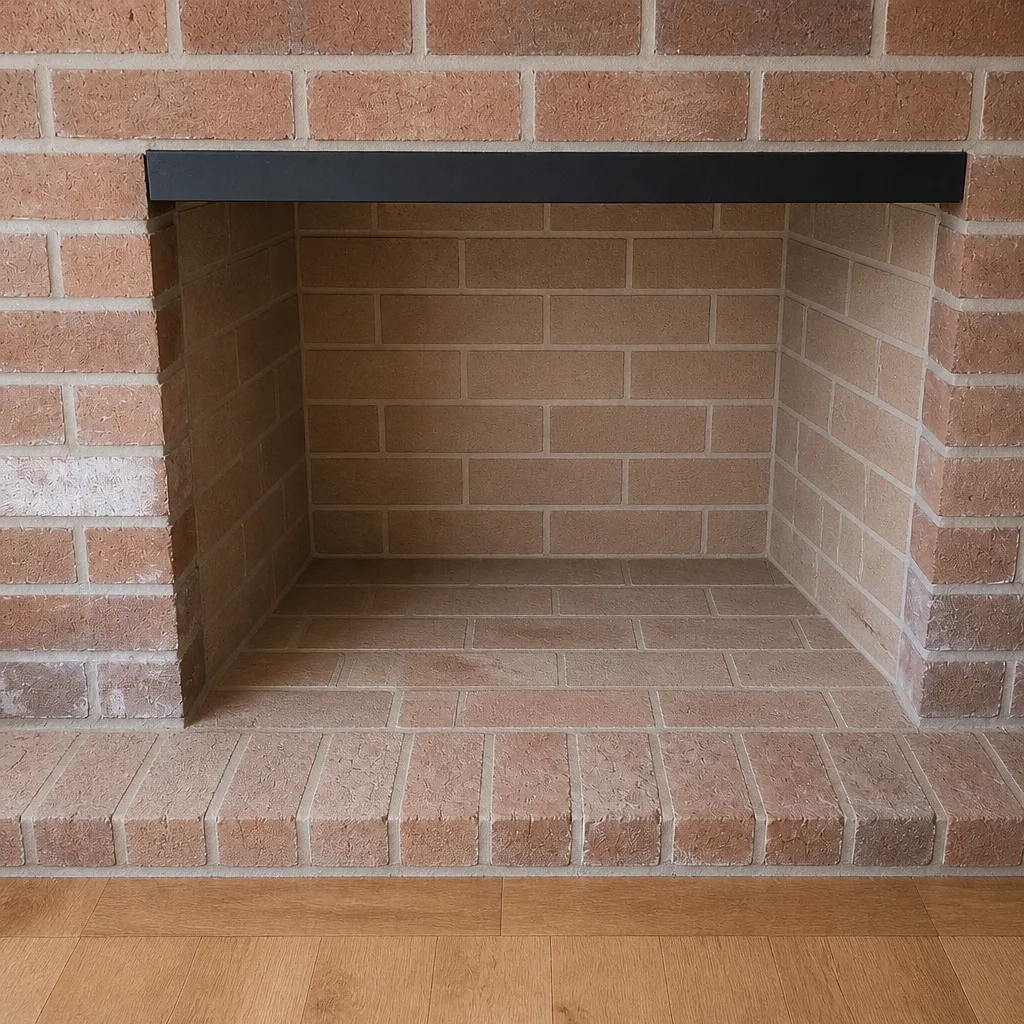
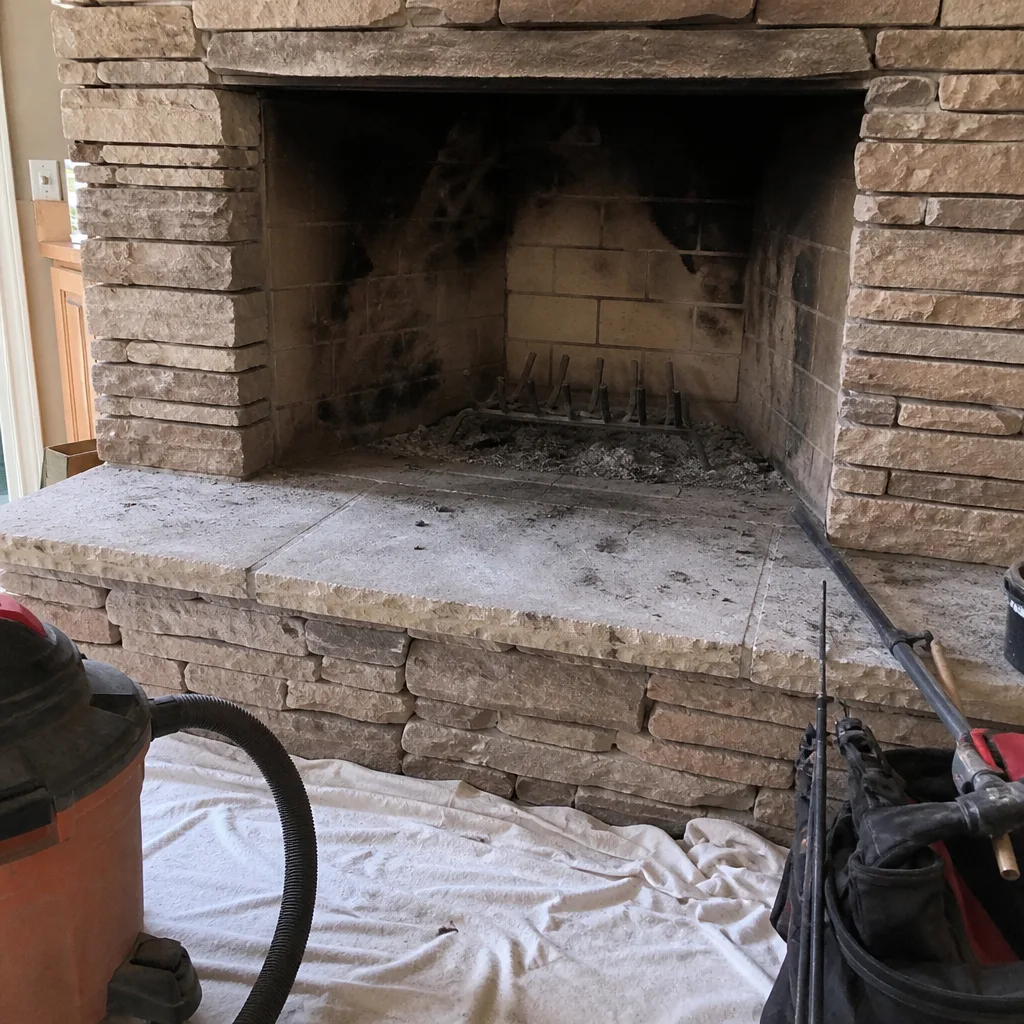
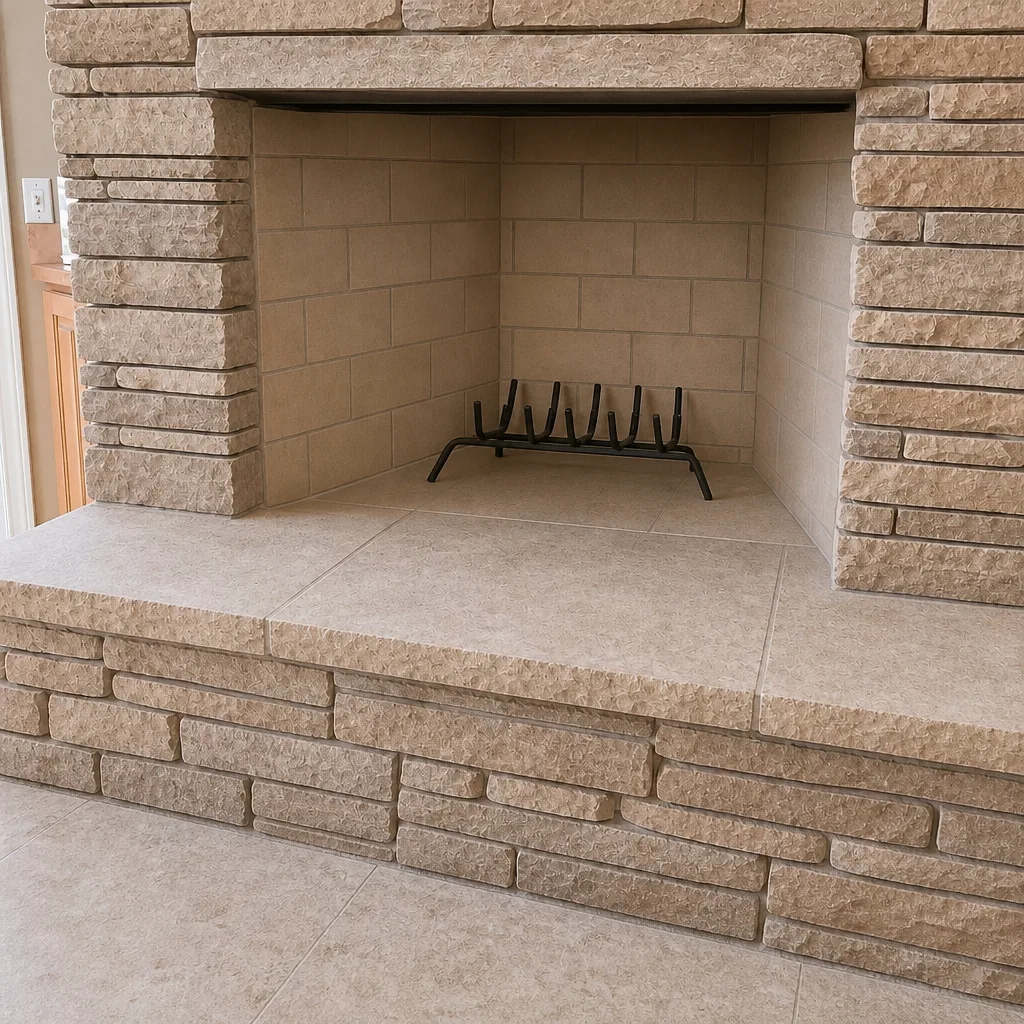
See the difference
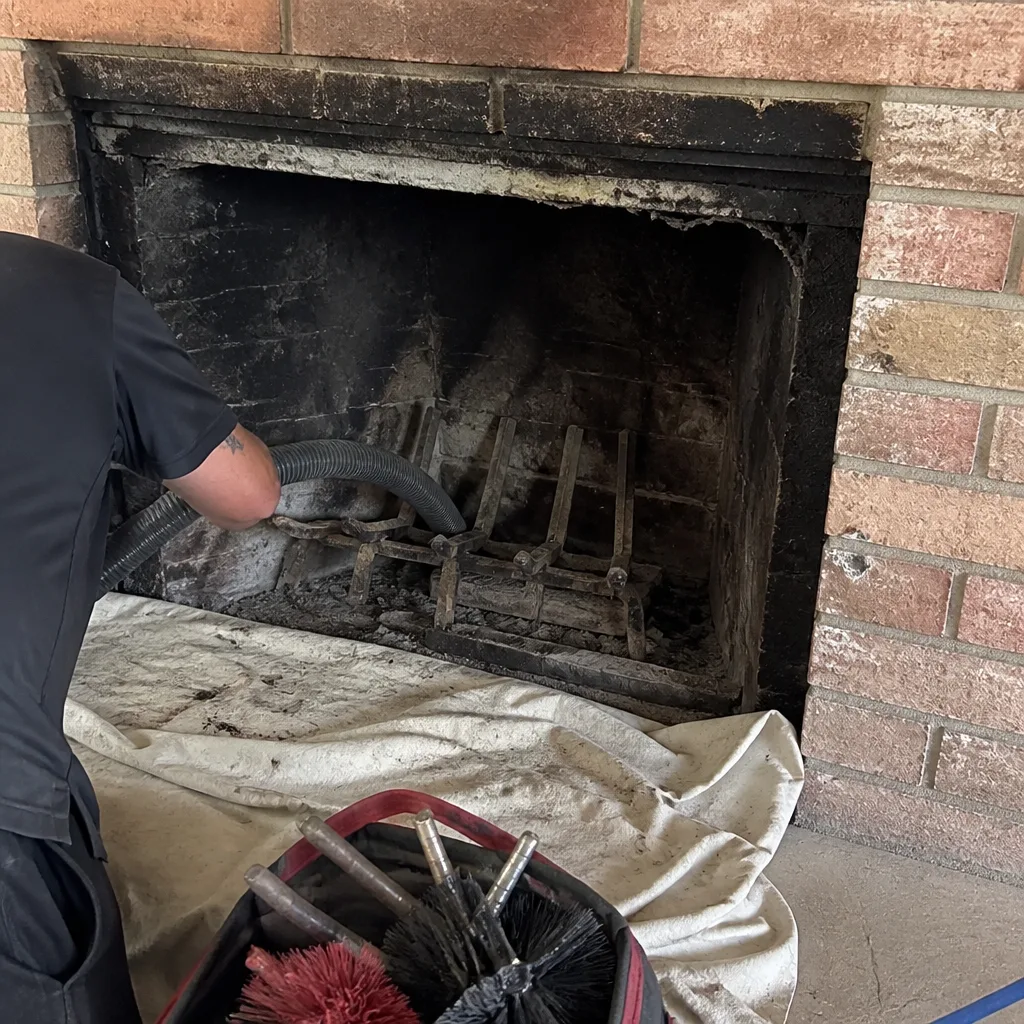 Before
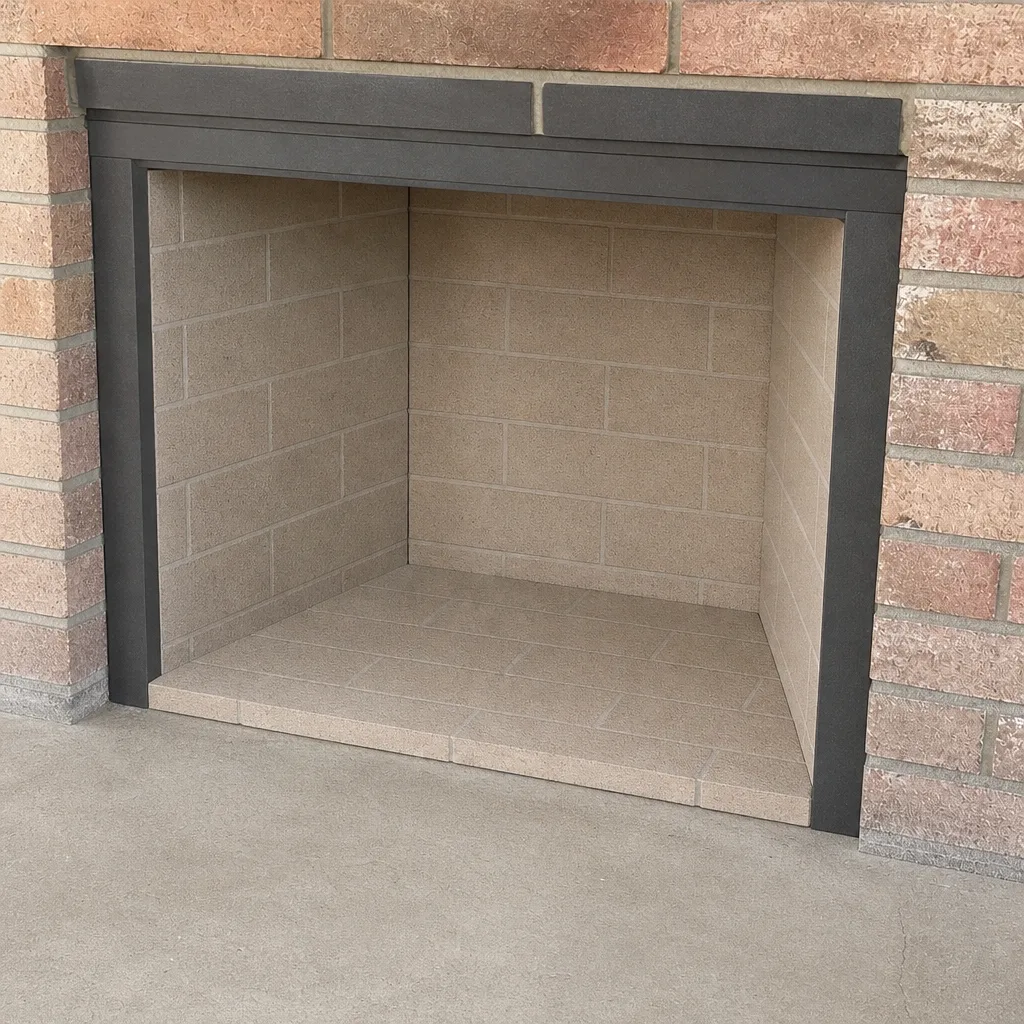 After
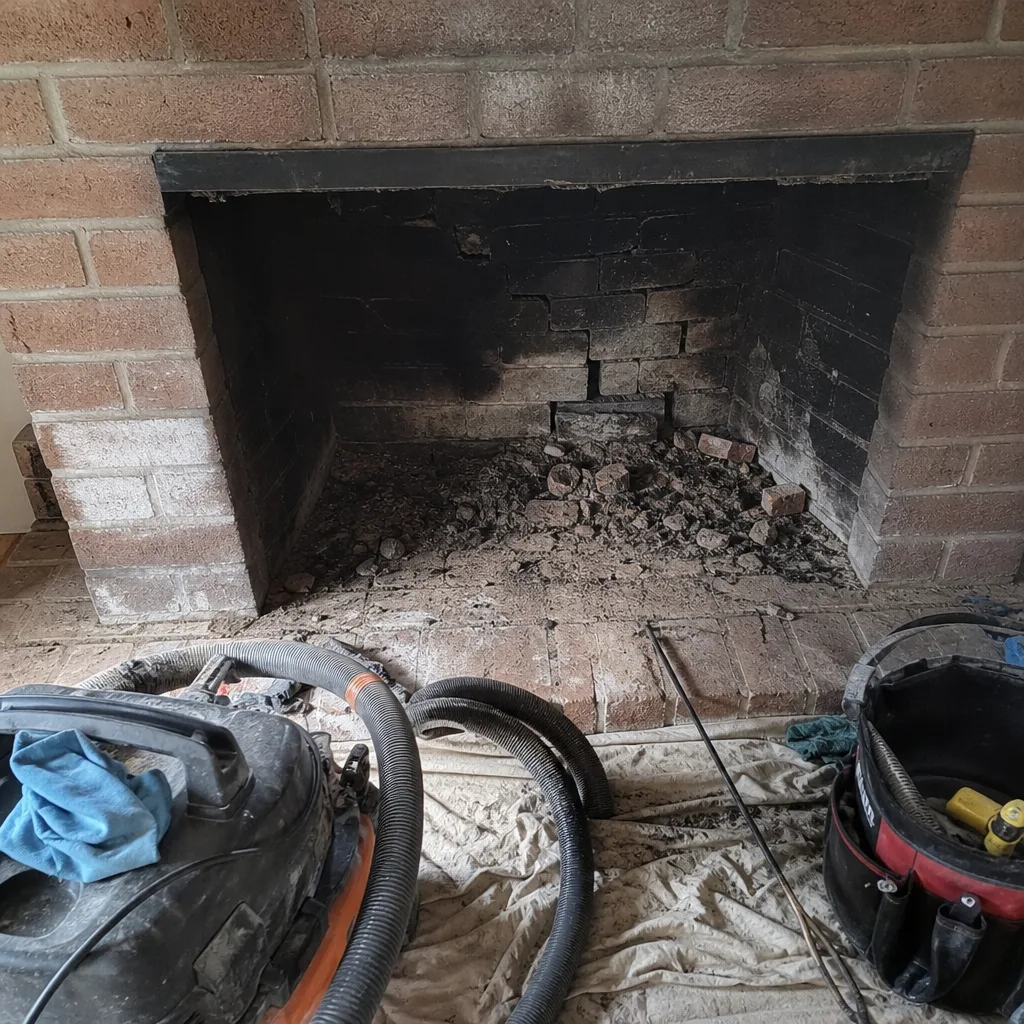 Before
 After
 Before
 After
When to Call a Professional
Call a professional when any of the following is true: smoke rolls into the room when you light a fire; an odor lingers after the fire is out; the draft pulls down instead of up; you see cracked or flaking material at the top of the stack; water stains or streaks appear on the exterior; your cap is loose or missing; the flashing has separated from the roofline; your firebox or damper is damaged; or you simply don’t know the last time the chimney was inspected. Those are inspection triggers, not wait-and-see items. A gas insert with a damaged vent or a block in the termination is a carbon monoxide risk, and that’s a call, not a calendar question. If you’re not sure, book the inspection and let the findings decide. Scottsdale Chimney Sweep offers free estimates in Scottsdale – call (888) 340-2124. We answer 24/7, with fast dispatch from 7am to 7pm, Sunday through Friday.
Frequently Asked Questions
Sweep based on deposit and usage, not the calendar: roughly when you’ve burned about a cord of wood, or when creosote approaches a quarter inch of buildup. Most Scottsdale homeowners burn less than that in a season, so the annual inspection is the more important habit, and it tells you whether a sweep is actually needed. Call (888) 340-2124 for an exact quote – estimates are free.
Yes, because in Scottsdale the risk is weather, not fire count. Monsoon rain, sun bake and drying cycles work on your crown, flashing and cap all summer whether you light a fire or not. The annual inspection is how you catch that damage before it turns into a structural repair. Call (888) 340-2124 to book one.
Two things can go wrong, and they’re different risks. Creosote buildup over time is a chimney fire risk, which is why deposit is checked by camera and swept when needed. Weather-related damage – a failing crown, separated flashing, spalling masonry – lets water into the structure and gets more expensive to fix the longer it sits. Neither is a reason to panic after one skipped year, but both are reasons to get back on schedule. Call (888) 340-2124 for a documented inspection.
Yes. Gas inserts have no wood smoke but they still produce carbon residue and rely on a vent to carry exhaust out of the house. The annual inspection checks for carbon deposits, venting degradation and seal condition, and a damaged or blocked vent is a carbon monoxide concern. Skip the wood smoke worry, not the inspection. Call (888) 340-2124 for an exact quote – estimates are free.
Not always, and no one should tell you otherwise before you’ve seen the evidence. A liner recommendation should come from a camera inspection with photos you can look at, and it should distinguish between what’s failing and what can safely wait. If the flue is sound, resurfacing may be the right answer; if it’s deteriorated or mismatched, a flexible stainless system could be. Ask which and why, and get the documented reasoning. Call (888) 340-2124 to schedule.
Every September, look for four things: spalling (flaking brick or stucco), crown erosion (cracking or pitting on the top cap), flashing separation (a gap where the metal meets the roof), and cap trouble (loose, rusted or missing). Do this check from the ground, never on a ladder. If anything looks off, book an inspection before first fire. Call (888) 340-2124.
The Bottom Line
The right chimney maintenance schedule in Scottsdale is built around how much you actually burn and what the desert weather does between fires – not a calendar date. Sweep on deposit and usage, inspect every year before first fire and again after monsoon, run the September visual check for spalling, crown erosion, flashing and cap condition, and don’t skip the annual inspection on a gas insert just because there’s nothing to sweep. Keep a loose burn log, do a spring closeout, and treat any change in draft or smoke behavior as an inspection trigger. Documented findings beat guesswork every time. Call (888) 340-2124 for a free estimate. We answer 24/7, with fast dispatch from 7am to 7pm, Sunday through Friday.
Written by the team at Scottsdale Chimney Sweep.