
Last updated November 15, 2026
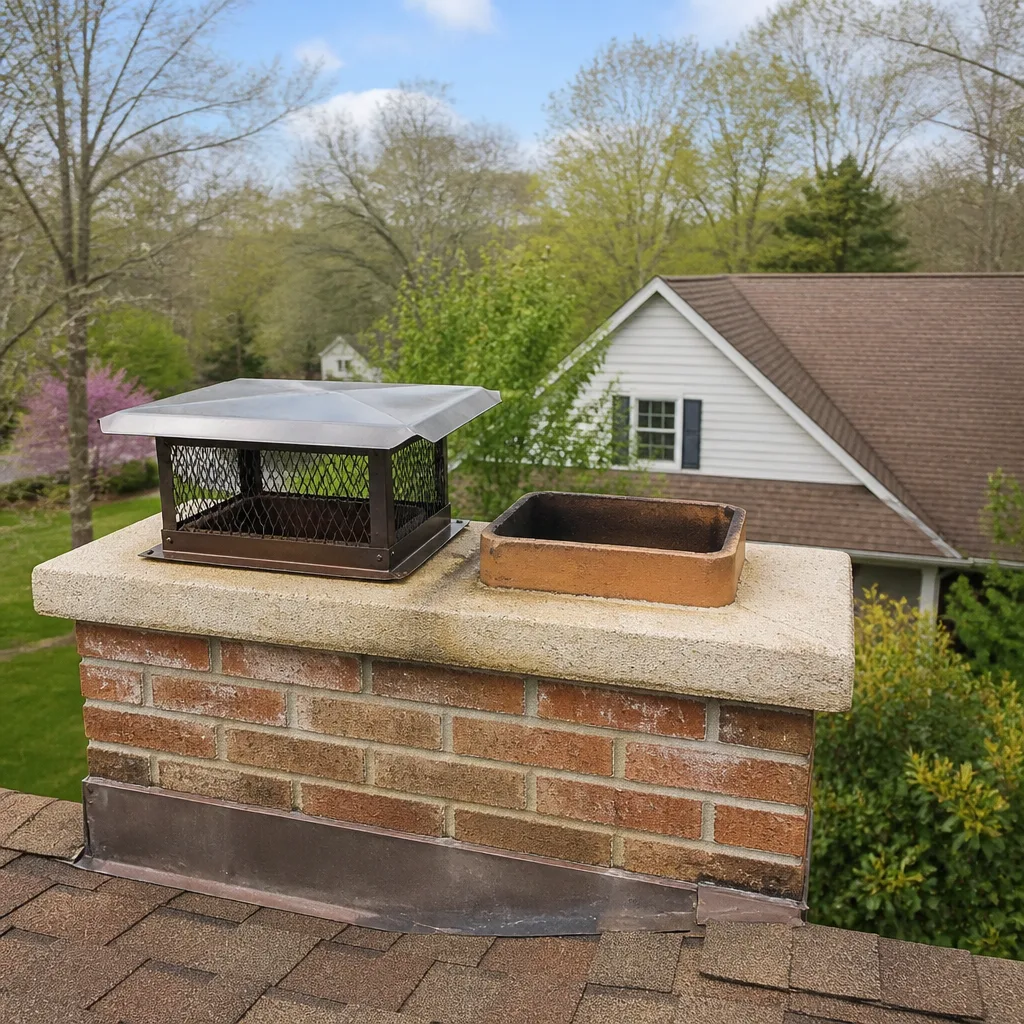 Sweep & inspection
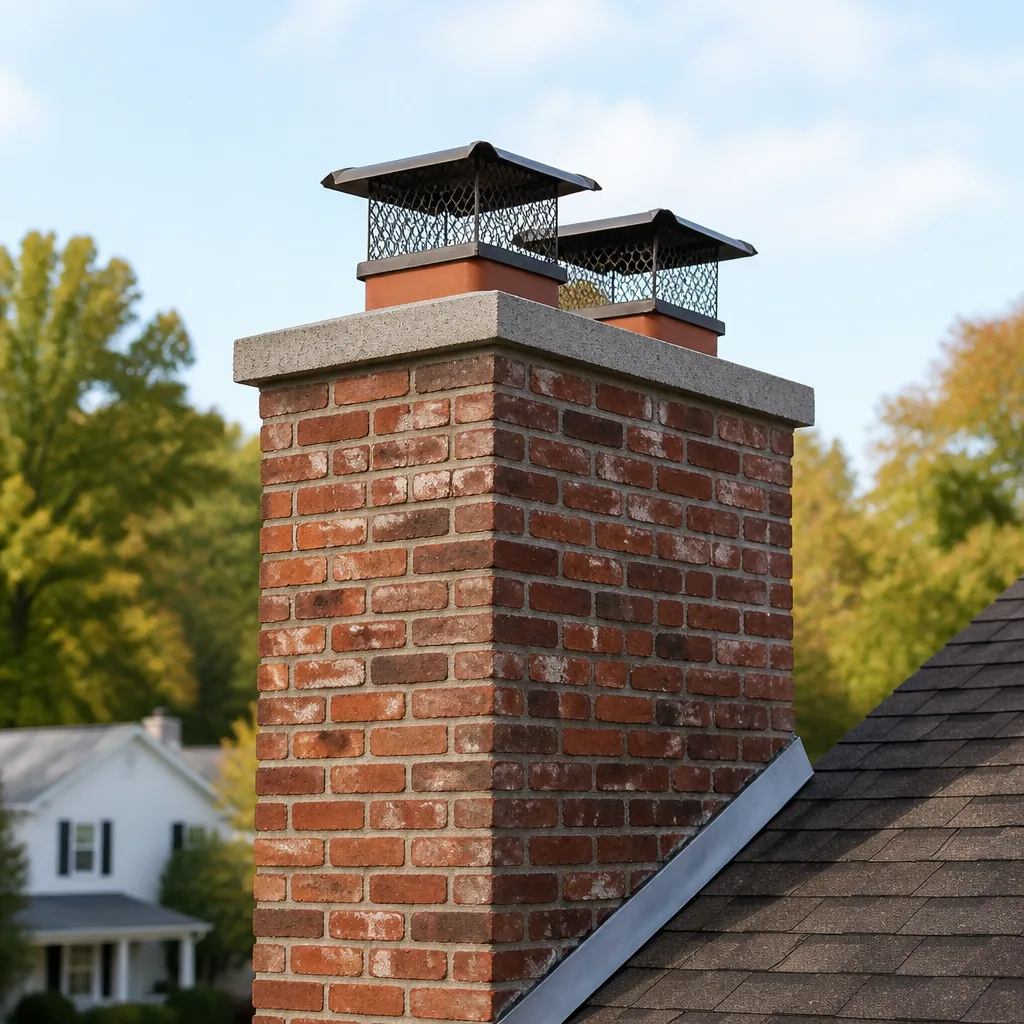 Caps & crowns
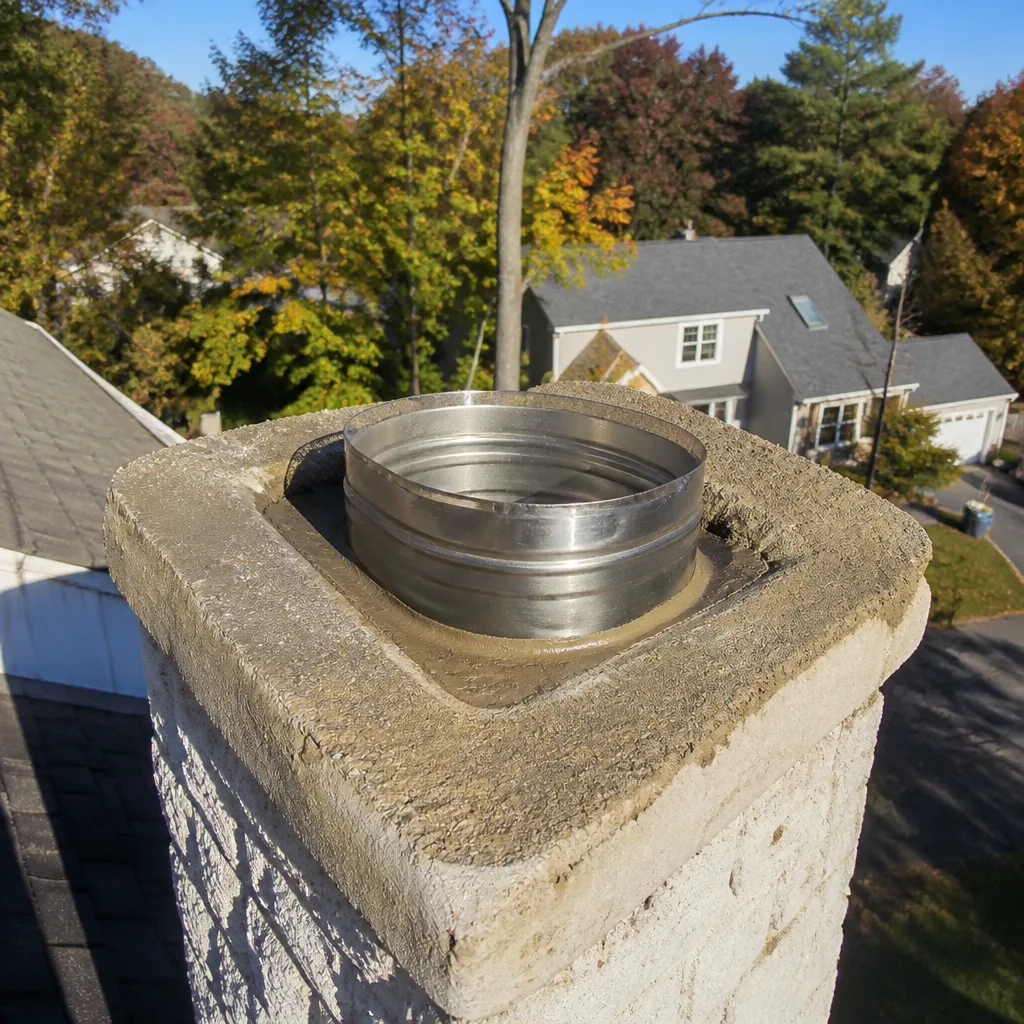 Flue relining
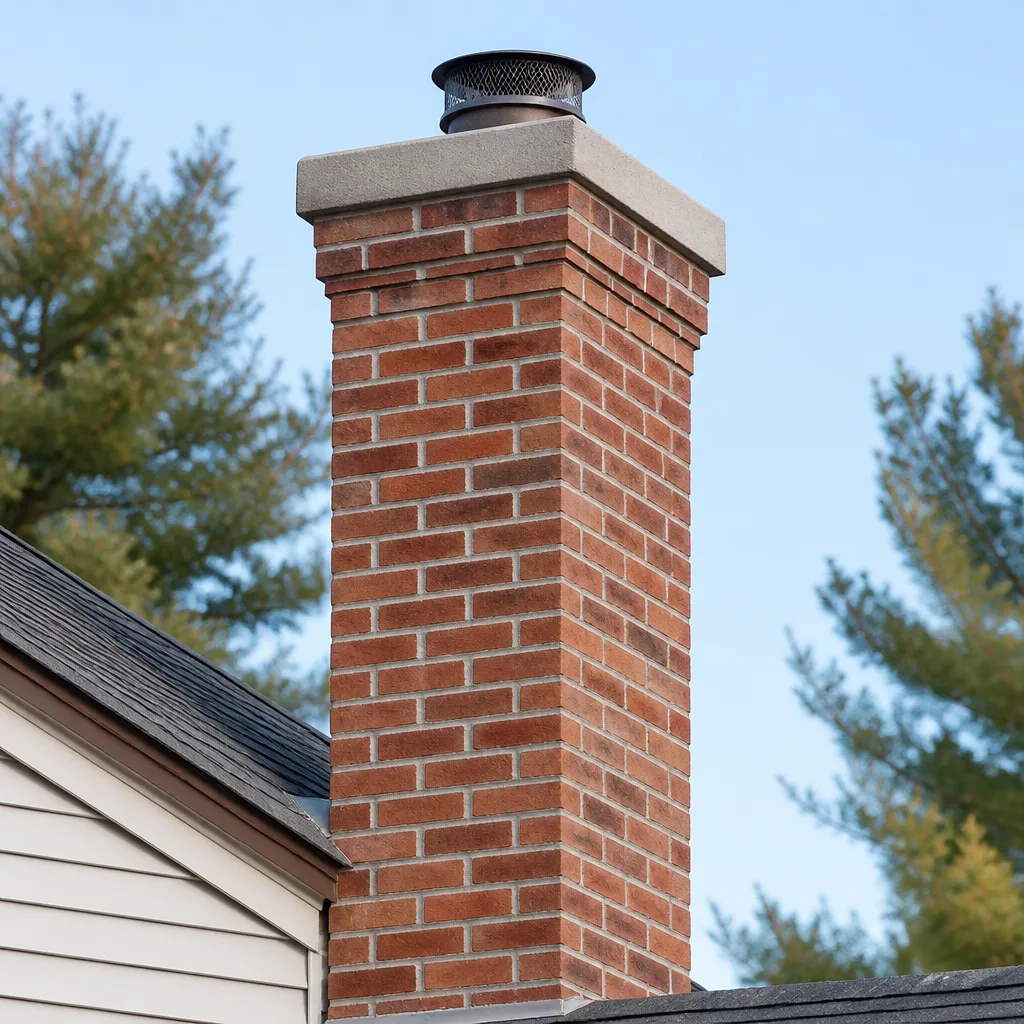 Masonry repair
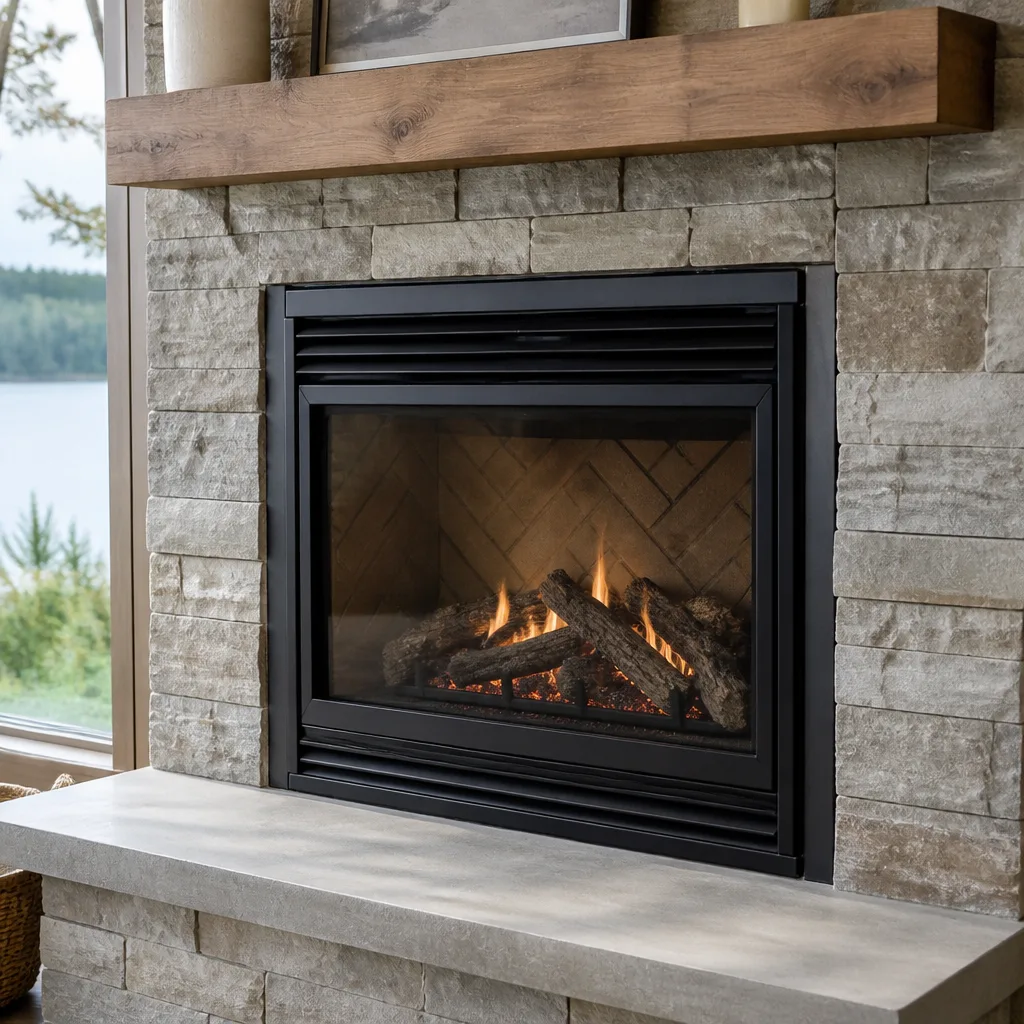 Gas fireplace service
Level 1 sweep and inspection to the NFPA 211 annual standard - flue, crown, cap, and flashing checked and photographed
Chimney sweep logs do not sweep chimneys. They loosen some creosote - which then falls where a brush and vacuum still have to collect it.
How to Hire a Chimney Cleaning Contractor in Scottsdale: A Step-by-Step Guide
Most homeowners in Scottsdale assume a certification badge settles the question of who to hire. It doesn’t. CSIA certification is the floor of competency in this trade, not the ceiling, and a technician can pass the written exam without ever having opened a zero-clearance factory-built fireplace, which is the system you’ll find in the majority of Scottsdale homes built after the 1980s. This guide walks through what each credential actually certifies, the questions that separate a chimney specialist from a handyman with a brush on hand, how to read a quote that isn’t hiding scope behind a vague label, and what a real post-service documentation package looks like. You’ll finish knowing exactly how to hire a chimney sweep in Scottsdale without gambling on the low bid.
Quick Answer
Hire a Scottsdale chimney contractor by verifying three things in this order: that the company’s technicians hold current CSIA certification (and can name who’s coming to your home), that they perform inspection, sweeping, and repair as one service rather than outsourcing the diagnosis, and that they deliver a written inspection report with photos before recommending any repair. Request product specifications for any materials installed, and treat any quote that won’t break down line items as a red flag.
Styles & brands we work with
- Sweep & inspection
- Caps & crowns
- Flue relining
- Masonry repair
- Gas fireplace service
Table of Contents
- What Credentials Should You Actually Request?
- What CSIA Certification Certifies – And What It Doesn’t
- Questions That Reveal Local Understanding
- Red Flags in a Chimney Cleaning Quote
- How to Compare Quotes Accurately
- What a Legitimate Post-Service Package Looks Like
- The Step-by-Step Hiring Process
- Common Mistakes to Avoid
- When to Call a Professional
- Frequently Asked Questions
What Credentials Should You Actually Request?
Before a contractor sets foot inside your home, ask for three credentials and expect documentation, not a verbal claim. CSIA (Chimney Safety Institute of America) certification is the primary credential in this industry. NFI (National Fireplace Institute) certification covers hearth appliance installation and venting – relevant here because most Scottsdale homes run factory-built fireplaces and gas appliances rather than traditional masonry. Ask for both if your system is factory-built.
The third credential isn’t on a badge. It’s whether the company will tell you the name of the CSIA-certified technician actually performing your inspection, not just the owner or the company officer. A company can carry a certification umbrella while subcontracting or dispatching someone without the hands-on experience the credential implies. Ask directly: “Who is the certified technician coming, and what’s their certification number?” A contractor with the credential will answer without hesitation. One who equivocates is telling you something.
Beyond credentials, request the scope of work in writing before the appointment. We recommend you ask:
- Is the inspection Level 1, 2, or 3? (Each has a different scope – see below.)
- What tools does the inspection include? Camera scope? Combustible clearance check?
- Will the technician check the cap, spark arrestor, and crown, or only the firebox and flue?
- Does the price include the written report, or is that a separate line item?
- Who handles any repairs – the same company, or a separate contractor?
The last question matters. If the company doesn’t do repairs, the inspection becomes a lead-generation tool for someone else’s work, and that changes the incentive on what gets recommended. Scottsdale Chimney Sweep handles inspection, sweeping, and chimney repair through one company specifically so the diagnosis isn’t priced by a third party.
What CSIA Certification Certifies – And What It Doesn’t
CSIA certification confirms that a technician has passed a written exam on codes, venting principles, and safety practice, and has committed to continuing education. It does not confirm hands-on field experience. The exam is a knowledge test. The skill of running a camera through a factory-built chimney, reading a flue system for combustible clearances, or spotting a hairline crack in a refractory panel only comes from doing the work, repeatedly. Our technicians have up to experience, and that hands-on history is what we lean on far more than the credential alone.
The gap between knowledge and practice is widest on zero-clearance factory-built systems. These are metal chimney assemblies built into a framed enclosure with specified clearances to combustibles, and they behave very differently from masonry. A masonry specialist’s instincts don’t transfer cleanly. The common failures you’ll find in Scottsdale’s post-1980s housing stock are refractory panel cracks, deteriorated firebox gaskets, and misaligned venting sections – all of which require the technician to know the manufacturer’s original clearance spec, not a general rule of thumb.
When evaluating a certification claim, ask these four questions:
- Is your CSIA certification current, and can you show me the card?
- Which technician is coming, and what is their certification number?
- How many zero-clearance factory-built systems has that technician opened this year?
- Do you carry NFI certification for gas and factory-built hearth appliances?
If the answer to questions 2 and 4 is vague, the company may be using certification as a marketing claim rather than a staffing fact. That distinction determines whether your inspection will catch the failure modes specific to your home’s system type.
Questions That Reveal Local Understanding
A contractor who’s reciting national talking points will sound competent until you ask about the specific conditions in Arizona’s high-desert environment. Chimneys here face dust infiltration, dry air, and a mild winter that allows year-round fireplace use but rarely forces the seasonal shutdown patterns you’d see in cold markets. A technician who understands Scottsdale will have real answers to the following:
- What does a typical sweep find in Scottsdale homes that would differ from a home in a wetter climate?
- How do you handle desert dust and debris in the flue cap?
- What’s your usual finding on 20 to 30-year-old factory-built fireboxes in this market?
- Have you worked on the zero-clearance systems installed in neighborhoods like McCormick Ranch, Grayhawk, and DC Ranch?
- How do you assess the roof penetration and flashing on flat or low-slope roof sections?
- What’s your approach when the cap has been clogged by bird nests or debris?
Listen for specifics, neighborhood names, and product types rather than generic answers. A good technician will talk about the refractory panel material, the venting collar, the flue cap design, and the crown – not just “the chimney.” The more technical their vocabulary, the more likely the diagnosis will be accurate.
One more local consideration: Scottsdale’s dry, dusty air means debris and nesting animals inside flues are common, and a cap check is not optional. If a contractor skips the cap during the inspection and only sweeps the flue, they’ve missed a routine failure point in this climate.
Red Flags in a Chimney Cleaning Quote
Most bad chimney contractor experiences begin with a quote the homeowner didn’t know how to read. The following patterns should stop you mid-scan:
- Vague line items. “Chimney service – $395” tells you nothing. A legitimate quote breaks down inspection level, sweep scope, cap check, and any recommended work at separate prices.
- Pressure to approve same-day repairs. A contractor who finishes the sweep and then says “we found a crack, you need to authorize this repair today or it’s unsafe” is removing your ability to verify. A chimney specialist delivers the finding, then gives you time to see the photos and read the report.
- No written inspection report. Sweep-and-handshake is not a service. The report is the product of the inspection, and you should expect it before anyone recommends a repair.
- Quotes that don’t specify the inspection level. Level 1, 2, and 3 inspections cover significantly different scopes. If the quote doesn’t say which one you’re getting, you can’t compare it against another contractor’s quote.
- Repair recommendations without photos. Modern inspection cameras produce images. Any recommendation on a liner, a firebox panel, or a crown without photographic evidence is an opinion, not a diagnosis.
- Suspiciously low headline pricing. A very low sweep price often becomes a $3,000 liner recommendation within the hour. The sweep price isn’t the number that matters; the report is.
- Unclear material sourcing. Ask what liner system or resurfacing product will be installed if repair work is recommended. A reputable contractor will name the brand and explain why.
The pressure tactic is the single most reliable predictor of poor work. If you feel rushed, you already have your answer.
How to Compare Quotes Accurately
Comparing chimney quotes is only meaningful when the contractors are scoping the same service. The same label – “chimney sweep and inspection” – can describe very different depths of work. Before comparing any two numbers, align them on three variables.
Variable one: inspection level. A Level 1 inspection covers what’s accessible without tools – firebox, damper, and the visible flue. A Level 2 includes a camera scope of the entire flue and internal surfaces. A Level 3 involves opening the chimney enclosure for a specific suspected issue. If one quote is a Level 1 and another is a Level 2, the prices aren’t comparable regardless of the number.
Variable two: what’s included in the report. Is the written inspection report standard, or an add-on? Does it include photos? Is the camera scope included in the price or charged separately? A contractor who includes all three in one number is offering more than one who itemizes them, and the phrase “chimney cleaning” doesn’t tell you which.
Variable three: repair scope and materials. If a liner replacement is being quoted, the product matters as much as the labor. DuraFlex flexible liner systems, HeatShield resurfacing, and the Olympia Chimney product line are not interchangeable, and the price differences reflect material selection, not markup. Ask what will be installed and why.
We recommend a short written checklist applied to every quote:
- Inspection level stated in the quote?
- Camera scope included?
- Written report with photos included?
- Cap, crown, and spark arrestor checked?
- Repair recommendations itemized separately?
- Product brands specified for any material installed?
- Certified technician named?
Score each quote against this list before scoring the price. A quote that answers 7 of 7 is worth more than one that answers 3 of 7 at a lower cost – and it will prevent the second contractor from being needed later to fix the first one’s work.
What a Legitimate Post-Service Package Looks Like
The single clearest test of a chimney contractor’s professionalism is what you hold in your hand after they leave. Documentation is what separates a contractor who diagnosed from one who guessed, and it’s what protects you when the time comes to sell your home or make an insurance claim.
A legitimate post-service package includes:
- Photos of the sweep and inspection findings. Before and after shots of the flue, firebox, and any problem areas. Not stock images – your chimney.
- A written inspection report. The scope of the inspection, the observations, the codes referenced if any, and the technician’s determinations, signed and dated.
- Recommendations tiered by urgency. What should be done now, what can wait one season, and what to watch over time. Not a single urgency level that turns everything into a “now.”
- Product specification sheets for any materials installed. If a liner was repaired or replaced, you should have the DuraFlex or HeatShield product documentation for your records.
- A record of the technician and date. For your own tracking across years, so you can compare findings between appointments.
- Pricing on the final invoice, matching the quoted scope. If the work changed, the invoice should explain why.
If the finished appointment produces a receipt and a verbal “looks good,” ask for the report. A contractor who does this regularly has it ready. One who doesn’t is telling you something about their process.
The Step-by-Step Hiring Process
Work through these seven steps in order. Each step filters out a class of contractor you’d regret hiring later.
- Confirm certification directly. Ask for the CSIA certification number of the technician who will be at your home, and verify it against the certification lookup. Don’t accept a company-wide claim.
- Confirm the service scope. Does the company perform inspection, sweeping, and repair, or only sweeping? If only sweeping, they will refer you elsewhere for repairs, and that changes the incentive on what they recommend.
- Request a written scope before booking. The pre-booking quote should state the inspection level, whether a camera scope is included, whether a written report is standard, and what the price covers.
- Ask for the named technician. Request the certified technician’s name and experience. Our own standard is to tell you, because it’s a reasonable thing to ask.
- Approve the sweep on price, and the repair on evidence. Authorize the sweep when the scope and price are clear. Do not authorize repairs until you’ve seen the inspection report and photos.
- Review the post-service package. Read the report before filing it. If photos are missing, ask for them. If a recommendation has no photo, ask for one.
- Keep the record. The report becomes the baseline for the next inspection. If a contractor can’t show you year-over-year documentation, subsequent inspections start from zero.
This sequence costs nothing extra and takes about fifteen minutes. It routinely saves a homeowner from the second-call correction that goes with an unqualified first contractor. For more on what the service itself involves, our Scottsdale Chimney Sweep service pages walk through each phase.
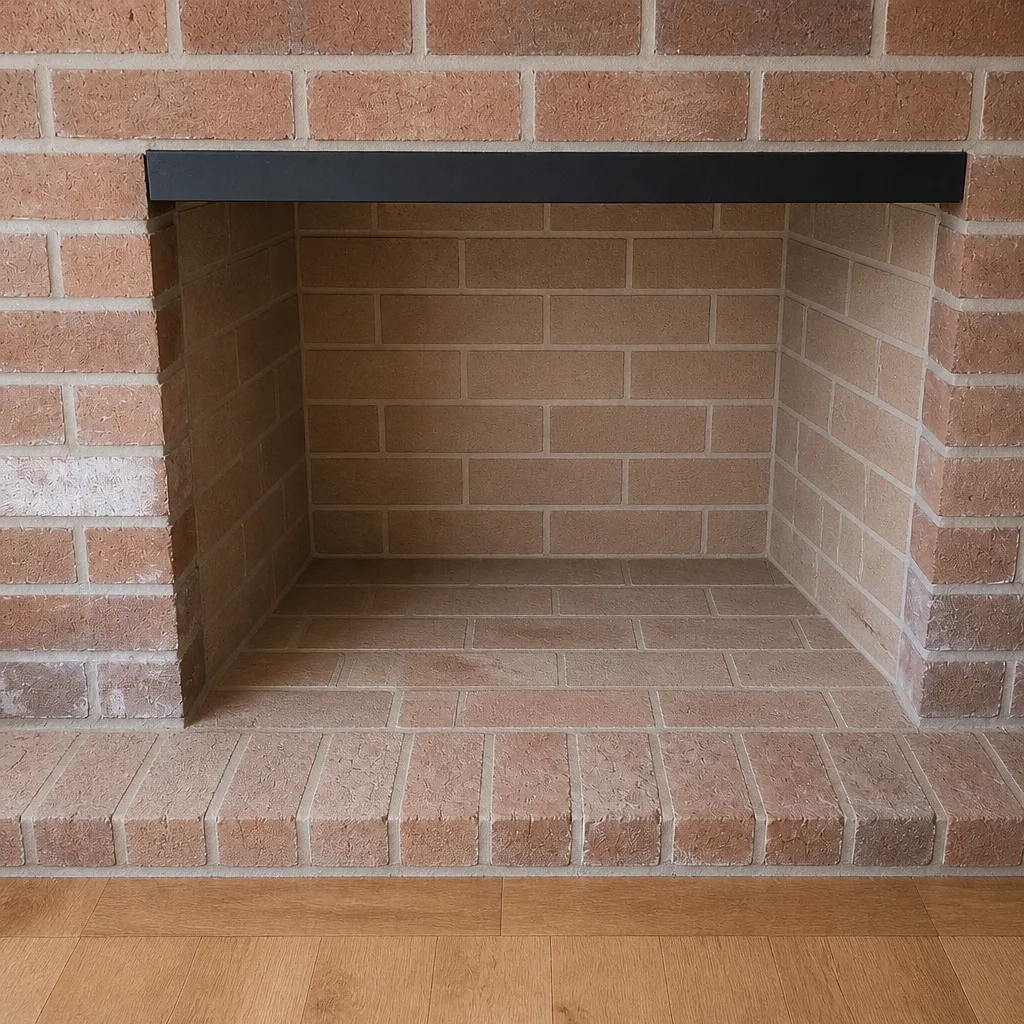
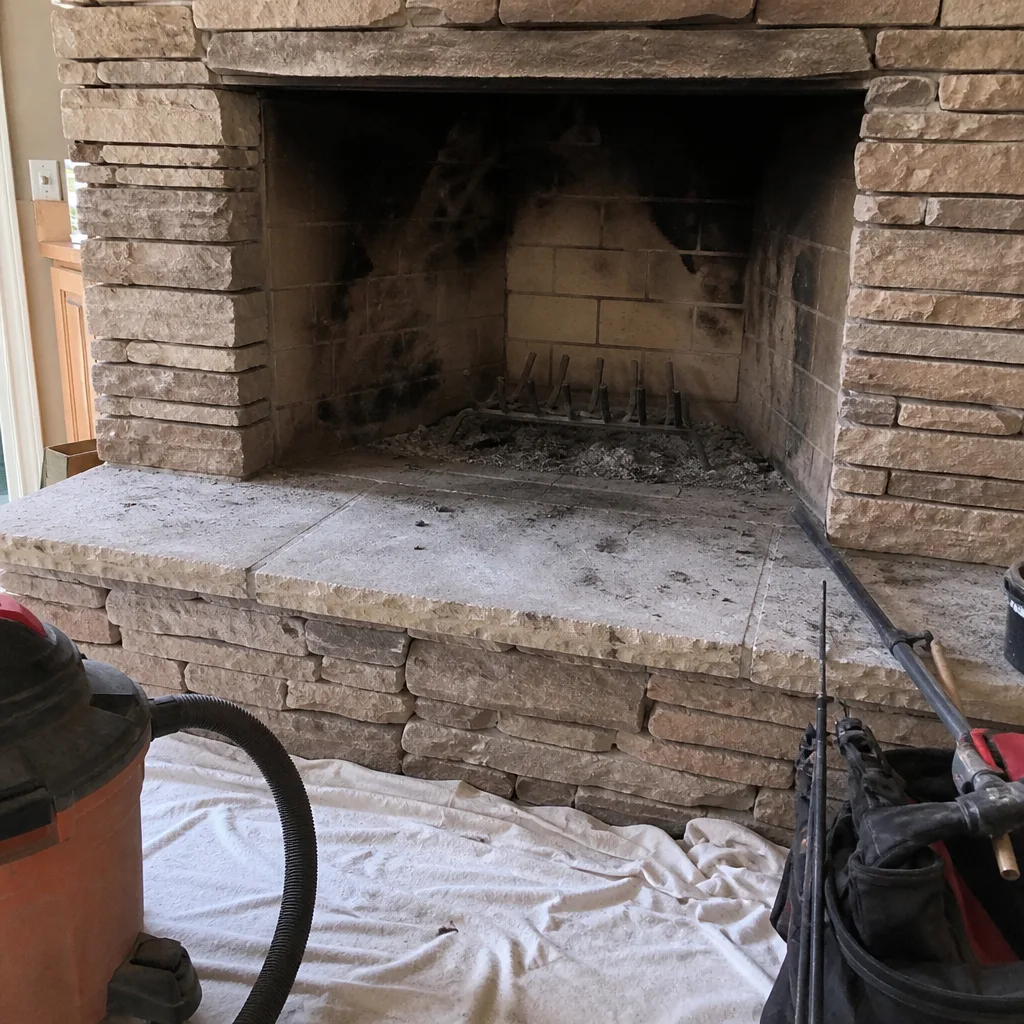
See the difference
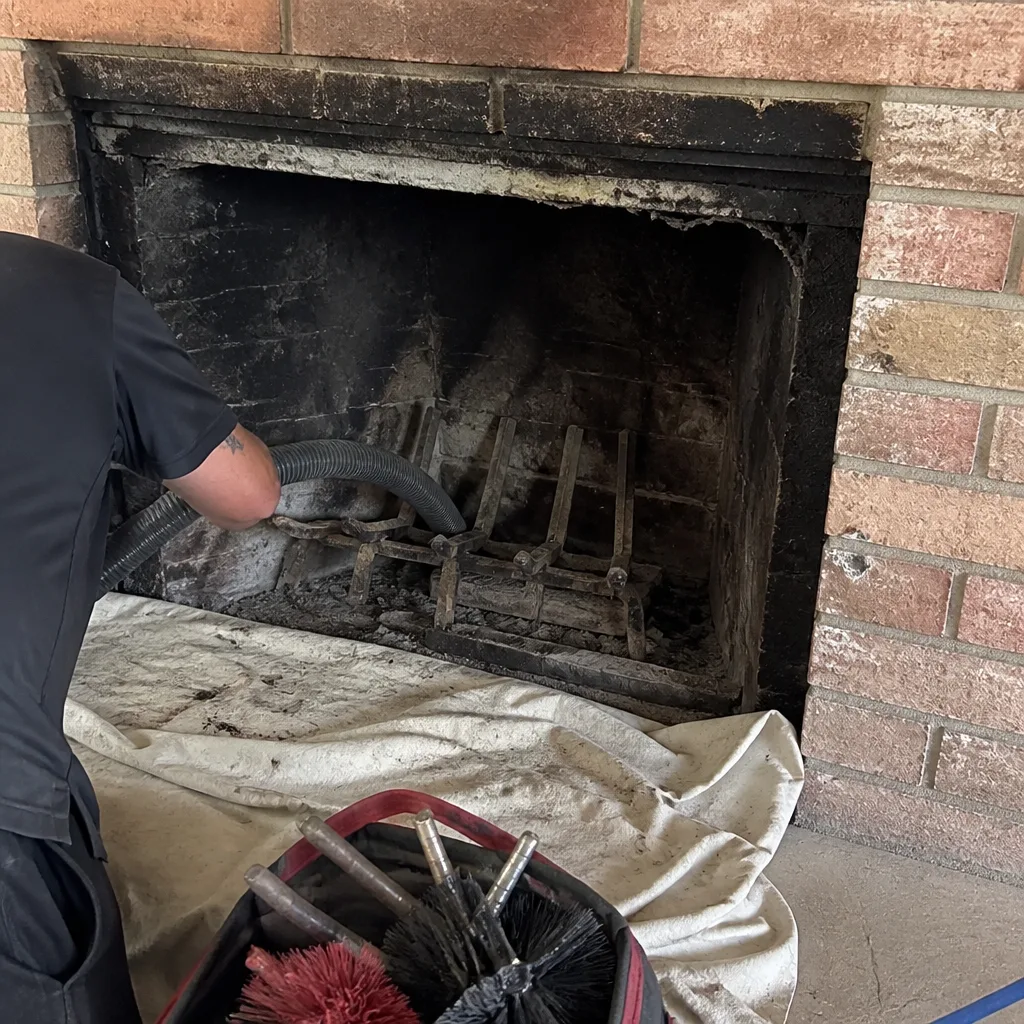 Before
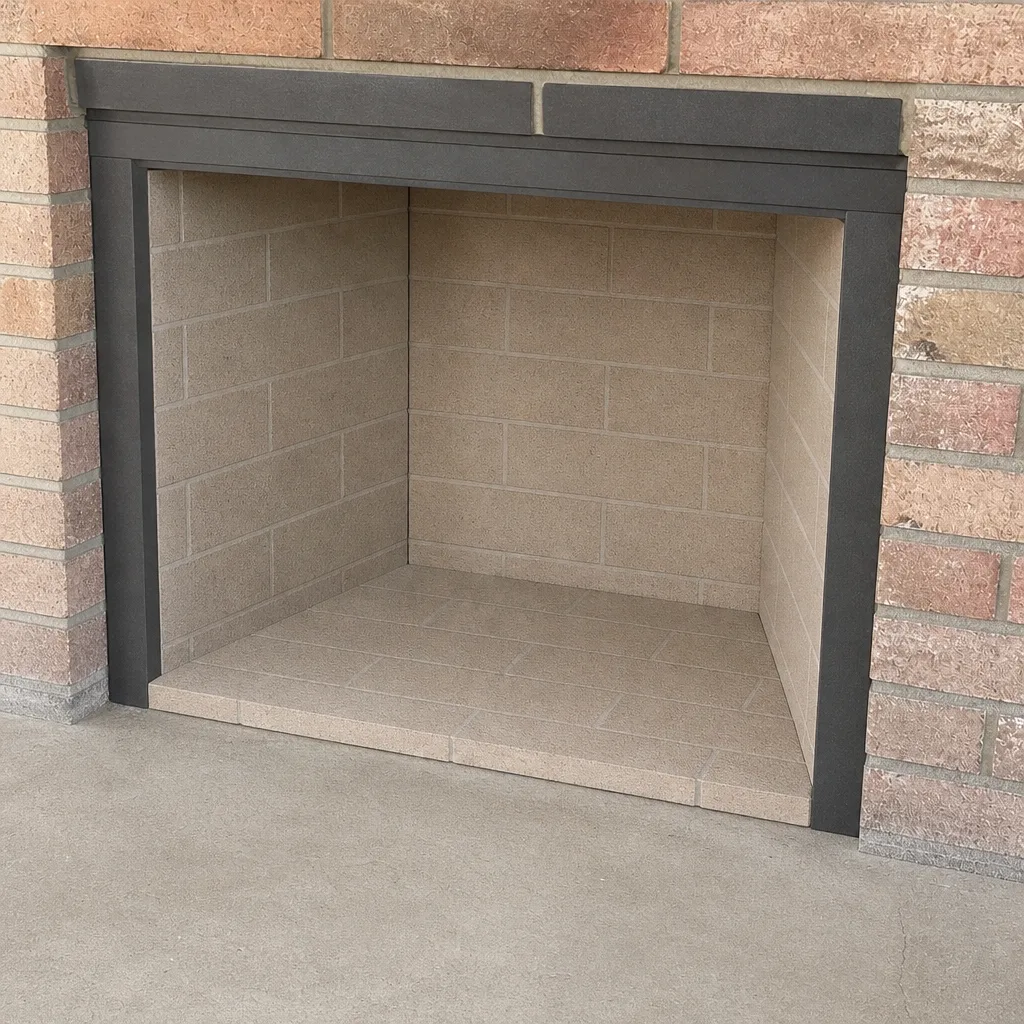 After
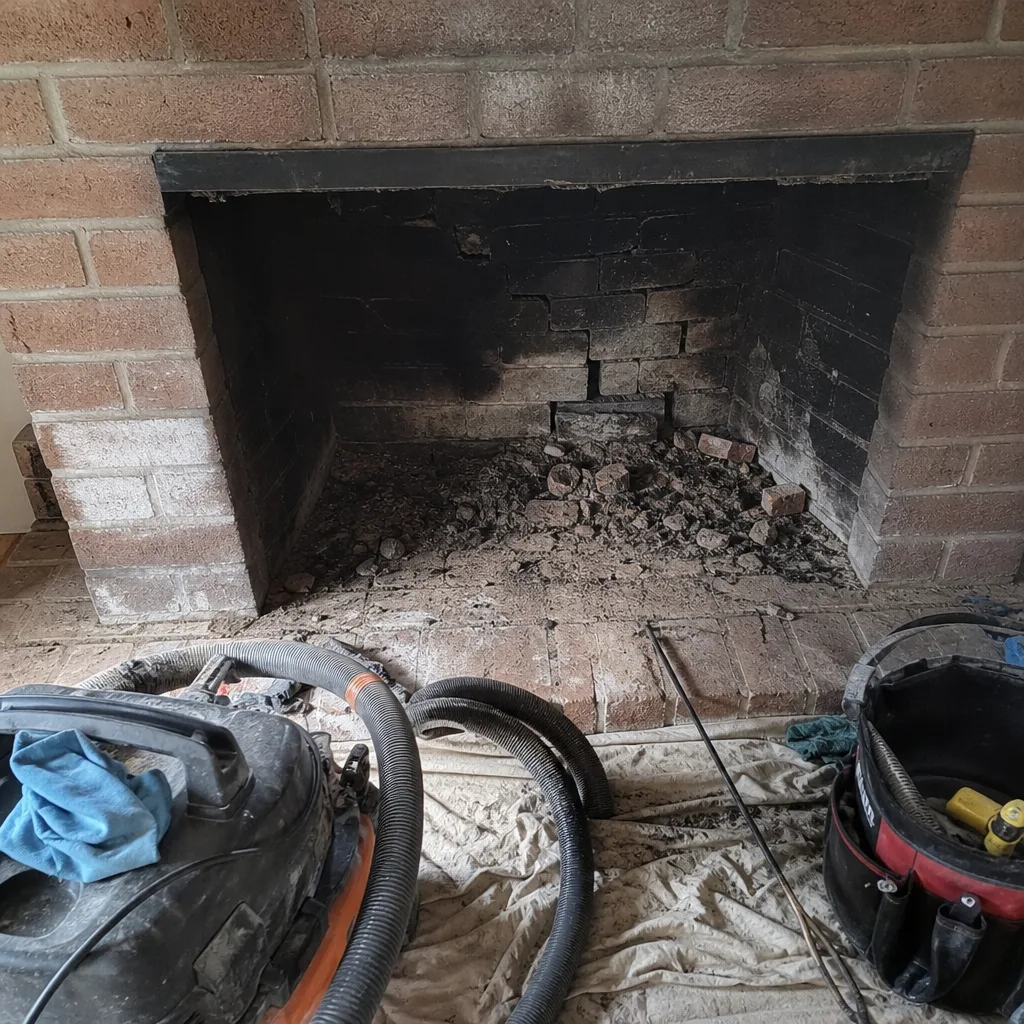 Before
 After
 Before
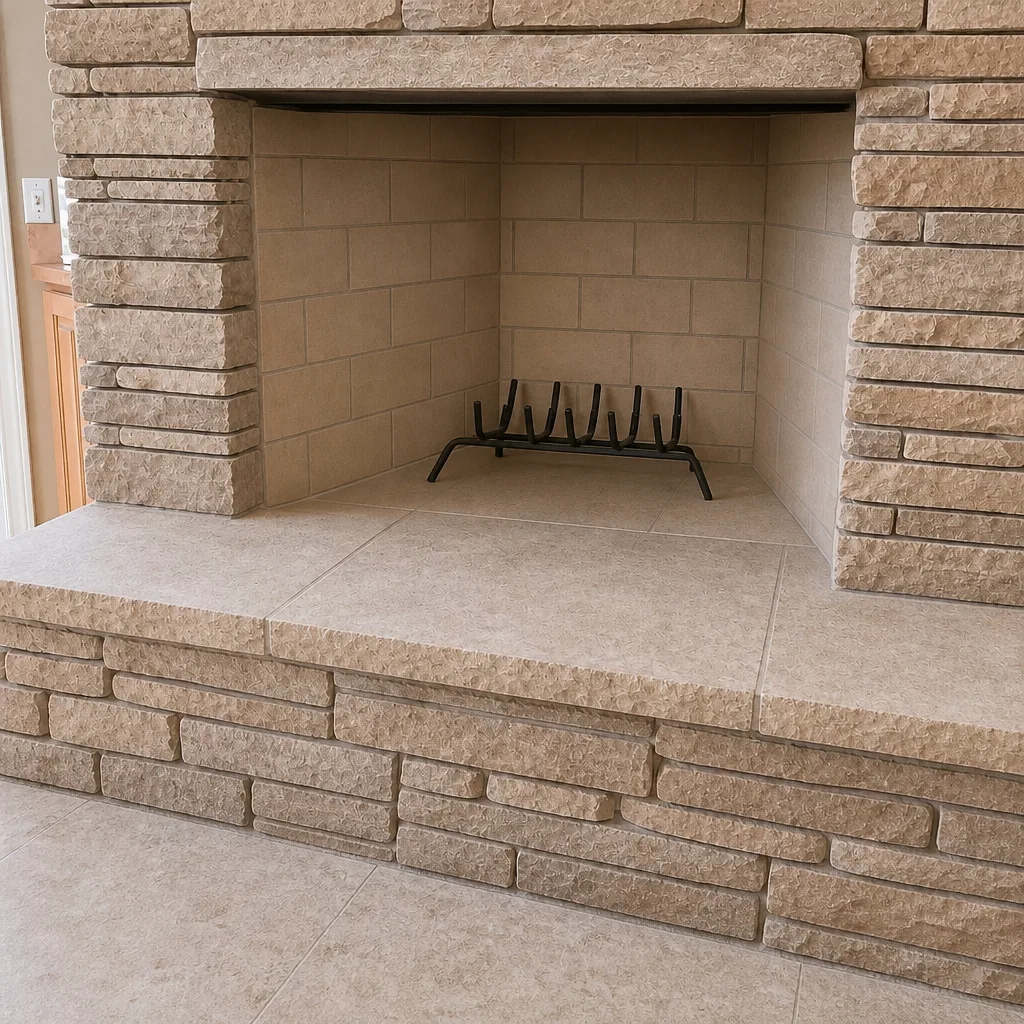 After
Common Mistakes to Avoid
- Treating the certification as sufficient. Certifications confirm knowledge, not hands-on experience with your specific system. Ask what the technician has worked on, and check the experience is real, not just a name on a website.
- Comparing quotes without aligning scope. A Level 1 inspection at $250 and a Level 2 at $450 aren’t competing prices. The second one includes more work. Line up the scope before you line up the number.
- Approving repairs without photos. You’re entitled to see the finding. Any contractor who resists showing you the image is telling you what you need to know about their recommendation.
- Skipping the cap and crown check. Scottsdale’s dust and nesting birds make the cap a frequent failure point. A sweep that skips it is an incomplete sweep.
- Hiring a general handyman for the first inspection. Chimney work requires a specialist. Generalist contractors will miss the failure modes on zero-clearance systems and won’t carry the right camera equipment.
- Assuming low bid is best value. A cheap sweep that produces a recommended repair you can’t verify is the most expensive mistake on this list. Pay for the diagnosis, not just the brush.
- Skipping the written report. The report is your record. No report means no baseline, no proof for insurance, and no evidence that the “fix” was actually done.
When to Call a Professional
Chimney work isn’t a do-it-yourself category, and the situations that warrant a call are pretty specific. Schedule an inspection if you can’t recall the last sweep, if you’ve moved into a home where the chimney history is unknown, if the fireplace has been used heavily in one season, if you smell a sooty or smoky odor in the room when the fire is not lit, if there’s visible staining on the chimney exterior or the ceiling near the flue, or if you’re preparing to sell and want documentation. If you’ve had a chimney fire – even a small one – stop using the fireplace and call. A CSIA-certified inspection is the only way to know whether the flue and firebox survived intact. Scottsdale Chimney Sweep offers free estimates in Scottsdale – call (888) 340-2124. Our technicians work on factory-built and masonry systems across the valley, and the estimate is per job, in writing, before any work begins.
Frequently Asked Questions
Once a year if you use the fireplace regularly, and once a year regardless if you burn wood at all. The standard is based on a solid third of a cord of wood burned, but because Scottsdale’s dust and dry conditions cause accumulation beyond what firewood alone produces, an annual inspection catches what a once-every-other-year schedule would miss. Call (888) 340-2124 if you’re not sure when yours was last cleaned – estimates are free.
A chimney sweep in Scottsdale typically runs in the range of $250 to $450 for a standard sweep and Level 1 inspection, with a Level 2 camera inspection adding $100 to $250 depending on the system. Repair work is quoted separately and based on the written inspection report. The written estimate you receive before booking sets the final price. Call (888) 340-2124 for a free estimate.
CSIA certifies the technician’s knowledge of chimney sweeping, inspection, and venting safety. NFI certifies knowledge of hearth appliance installation and venting, which is the credential most relevant to factory-built and gas fireplaces. For a Scottsdale home with a zero-clearance factory-built system, both are worth confirming. A CSIA cert alone tells you the technician passed the general exam; NFI tells you they’ve been tested on the appliance type common in this market.
You need a Level 2 inspection whenever there’s a change of occupancy, a suspected problem, a flue that hasn’t been scoped in years, or an appliance change. If you’ve just bought the home or you’re about to sell, a Level 2 with camera documentation is the standard that will protect you. For a regularly maintained home with an established baseline, an annual Level 1 with visual checks is often sufficient. Call (888) 340-2124 and we’ll walk through which level fits your situation – estimates are free.
Creosote and soot accumulate in the flue, and at sufficient thickness that deposit can ignite – a chimney fire that often goes unnoticed until it has damaged the flue or the surrounding structure. In Scottsdale’s dry climate, debris and nesting material in the cap compound the risk. Beyond fire, an obstructed flue can back carbon monoxide into the living space. Skipping is not a cost saving, it’s a deferred safety question. Call (888) 340-2124 to schedule a sweep – estimates are free.
Yes, if the diagnosis is documented with photos and a written report that you can review before authorizing repairs. A single company that handles inspection, sweeping, and repair eliminates the referral step, and it means the person who found the problem is the person who fixes it. The safeguard is the documentation, not the company structure. Ask for both, and be suspicious of either one alone. Call (888) 340-2124 if you want to see what our report looks like – we’ll show you before you book.
The Bottom Line
Hiring a chimney contractor in Scottsdale comes down to answering three questions before the appointment: who is the certified technician coming to my home, what inspection level am I getting, and what documentation will I hold afterward. Everything else – the price, the brand claims, the urgency of the repair recommendation – is secondary to those three. Verify the credential against a name, align the quotes against a shared scope, and require photos with the report. The contractor who answers all of that without squirming is the one worth scheduling. The one who doesn’t is the one you’re hiring a second contractor to clean up after.
Call Scottsdale Chimney Sweep at (888) 340-2124 for a free estimate. We answer 24/7. Fast dispatch from 7am to 7pm, Sunday through Friday, and closed Saturday. Sweep, inspect, repair – handled by one company, documented from start to finish, with professional-grade materials including DuraFlex, HeatShield, Gelco, and Olympia Chimney specified on every job where they’re used. Ask us which liner or cap we’re recommending and why. We’ll tell you exactly, and we’ll show you the photos before you authorize anything.
Written by the team at Scottsdale Chimney Sweep.