
Last updated November 15, 2026
 Sweep & inspection
 Caps & crowns
 Flue relining
 Masonry repair
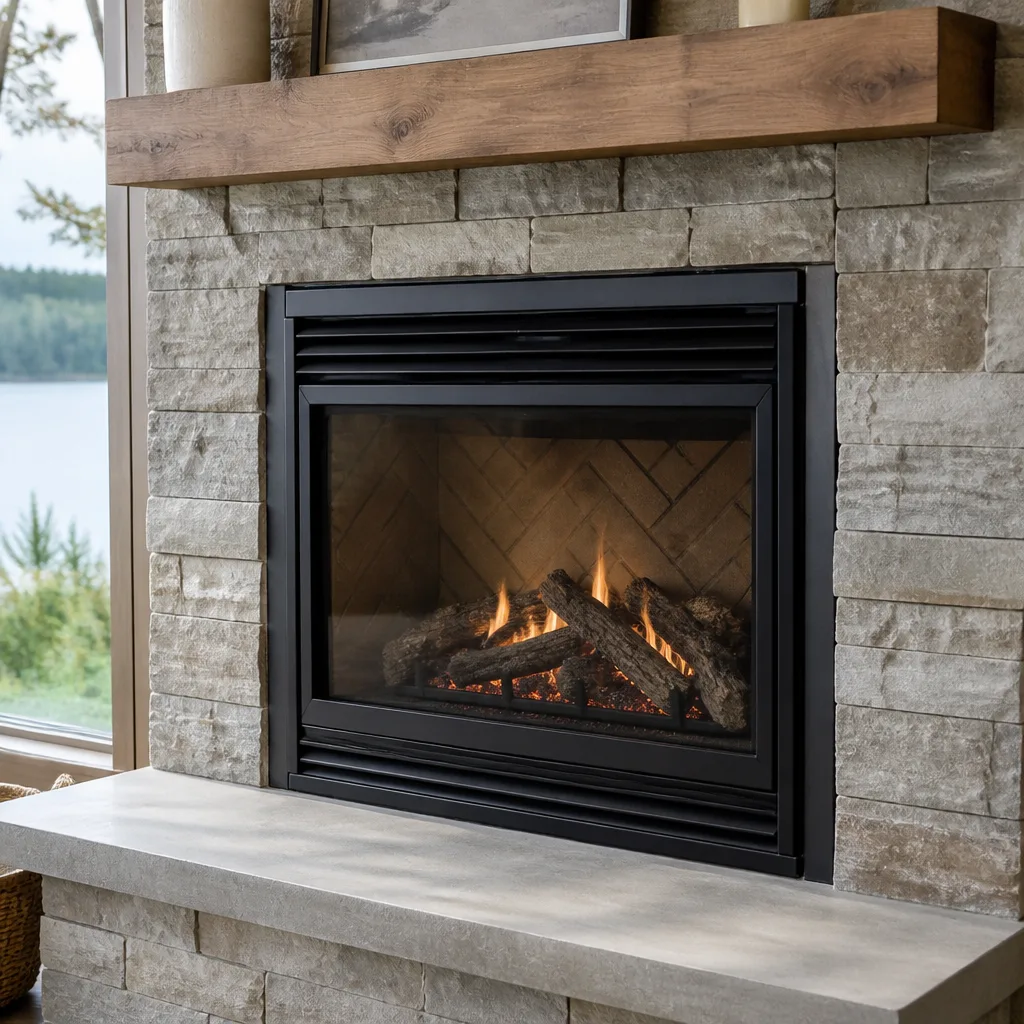 Gas fireplace service
Level 1 sweep and inspection to the NFPA 211 annual standard - flue, crown, cap, and flashing checked and photographed
Chimney sweep logs do not sweep chimneys. They loosen some creosote - which then falls where a brush and vacuum still have to collect it.
Chimney Cleaning Emergency Preparedness Guide for Scottsdale Homes
Most Scottsdale homeowners picture a chimney fire the way it looks in a movie: flames shooting from the top of the stack, a roar you can hear from the street, neighbors calling 911. That picture is wrong for a large share of the homes here. Many Scottsdale houses were built with factory-built, zero-clearance fireplaces and metal flue systems, and those systems can run a slow, smoldering chimney fire at extreme temperature inside the flue with no visible flame at the cap and nothing you’d recognize as crackling. What you get instead is a faint smell, a strange hum, maybe a puff of smoke where smoke doesn’t belong. This guide covers how to recognize that fire in progress, what to do in the first sixty seconds, what happens after, and how to keep the conditions that cause it from building up in the first place.
Quick Answer
A chimney fire in a Scottsdale factory-built system can burn inside the flue without visible flames or loud noise, so the warning signs are often smell, a low rumble, heat on the surrounding wall, or smoke coming from joints and seams rather than the top of the chimney. If you suspect one, stop using the fireplace, get everyone out, and call 911; then do not use the chimney again until a Level 2 inspection with camera documentation confirms the flue and the framing around it are intact.
Styles & brands we work with
- Sweep & inspection
- Caps & crowns
- Flue relining
- Masonry repair
- Gas fireplace service
Table of Contents
- How a Chimney Fire Actually Shows Up in a Scottsdale Factory-Built System
- The Correct Response Sequence: What to Do, In Order
- After the Fire: Why the Chimney Stays Off Until a Level 2 Inspection
- Why Scottsdale’s Intermittent Burn Pattern Builds Creosote Fast
- Preventing the Conditions That Cause Chimney Fires
- Emergency Documentation for Your Insurance Claim
- Your Fireplace Is a System, Not a Hole in the Wall
- Common Mistakes to Avoid
How a Chimney Fire Actually Shows Up in a Scottsdale Factory-Built System
Masonry chimneys and factory-built metal systems fail loudly in different ways. A masonry chimney fire often announces itself: you hear a low roar like a freight train, you may see flame or sparks at the top, and the metal parts of the firebox can glow. The heavy masonry mass absorbs heat and the fire burns hot and obvious.
A zero-clearance system is a different animal. The flue is a metal pipe inside a framed chase, usually surrounded by combustible framing with only the manufacturer’s required clearance separating them. A slow fire in that flue climbs in temperature without the drama. Here’s what to watch for:
- Sound: a low, steady rumble or humming from the chimney or the wall behind the fireplace. Not a crackle. More like a distant engine idling.
- Smell: a sharp, hot, almost chemical odor in the room, or a smoky smell that doesn’t clear when the damper is open.
- Heat: the wall, mantel, or chase surface feels noticeably warm to the touch, or the fireplace surround becomes too hot to hold a hand against.
- Smoke where it shouldn’t be: wisps coming from pipe joints, seams in the chase, or the attic, rather than clean exhaust at the cap.
- Discoloration: warped or blued metal at the firebox, a cap that looks heat-stained, or creosote that has turned into puffy, swollen, honeycomb-textured material.
By the time a smoke alarm triggers in a Scottsdale home with a metal chase, the framing may already be absorbing heat it was never designed for. That’s the part most homeowners don’t realize: the fire doesn’t have to break through the flue to do damage. Sustained heat alone can char framing in a chase with tight clearances. Our technicians have up to experience, and the post-fire inspections we handle often turn up heat damage well before anything visible from outside.
The Correct Response Sequence: What to Do, In Order
When you suspect a chimney fire, seconds matter and the wrong instinct can make things worse. This is the order that professional chimney technicians and fire departments want you to follow.
- Get everyone out of the house. Adults, kids, pets. If you have a fire extinguisher for the firebox and the fire is small and contained there, use it on the way out. Otherwise, leave it.
- Call 911 from outside. Tell the dispatcher you have a possible chimney fire and name the type: factory-built or masonry. Fire crews treat a metal-chase fire differently because the framing is at risk.
- Do not open the damper wider. A common instinct is to open it all the way to “let the fire breathe.” In a chimney fire, extra air feeds it. Leave the damper where it is.
- Do not add water inside the firebox. Pouring water on a hot firebrick and metal firebox can crack the firebox and send steam and soot back into the room. Firefighters use controlled methods on the flue, not a bucket in the firebox.
- Close glass doors if they’re safe to reach. If the doors are already cool enough to touch, close them to starve the firebox of room air. If the metal is hot, leave them.
- Wait for the fire department and stay out. A chimney fire can re-ignite hours after it looks extinguished because hidden creosote and framing stay hot. Fire crews check for that before they clear the scene.
If the fire is small, contained in the firebox, and you’re confident it isn’t a chimney fire, you have a window to act. If you’re unsure whether the fire is in the firebox or in the flue, call 911. The cost of an unnecessary call is far less than the cost of a chase fire that spreads into the attic. If you have a burning smell and no visible fire at all, and you want an opinion before you make the call, call (888) 340-2124. We answer 24/7. A call outside dispatch hours is booked into the next opening, Sunday through Friday, 7am to 7pm.
After the Fire: Why the Chimney Stays Off Until a Level 2 Inspection
Once the fire department has cleared the scene, the chimney is a documented hazard until proven otherwise. Even a small fire can crack a flue tile in a masonry chimney or warp a metal liner in a factory-built system, and a cracked or warped flue lets carbon monoxide and hot gases into the house on the next fire. That’s why no honest chimney professional will tell you to use it before a Level 2 inspection.
A Level 2 inspection is the industry-standard, camera-based evaluation. It includes everything a basic visual check covers plus the inside of the flue, the attic side of the chase, and the joints and connections you can’t see from the hearth. In our experience, this is the inspection most homeowners skip after a scare, and it’s the one that matters most. The inspector is documenting specific conditions:
- Flue liner integrity: cracks, spalling, gaps, and warped or separated sections, viewed on camera along the full run.
- Creosote condition: depth and stage, because stage three glazed creosote is fuel for the next fire.
- Chase clearance: whether framing sits at the clearance the manufacturer specified, and whether heat has charred or stained nearby wood.
- Joints and connections: at the firebox collar, the thimble, and the cap, where hot gas leaks most often.
- The cap and crown: whether the cap is intact, properly screened, and still seated, since a fire can distort the cap assembly.
You’ll want the report in writing, with the camera images attached. We document what we find before we recommend anything, and that documentation is exactly what your insurance carrier will ask for. If the inspection shows a damaged liner, a HeatShield resurfacing or a DuraFlex flexible liner may be the right fix, depending on the flue type. Those are professional-grade materials with installation requirements, and the report should name the product and the reasoning.
Why Scottsdale’s Intermittent Burn Pattern Builds Creosote Fast
Creosote is the tar-and-soot residue that condenses out of wood smoke as it cools. Its accumulation rate depends on how you burn, what you burn, and how often the system gets hot enough to burn off what’s building up. Scottsdale’s fireplace season runs to a handful of cool evenings and a handful of cold snaps rather than a steady winter. People light a fire for an hour or two, enjoy it, and let it die. That pattern is a creosote factory.
A chimney that runs hard for hours reaches temperatures that burn off light creosote deposits. A chimney used occasionally, especially with a cool flue and a smoky start, condenses moisture and tar onto the liner and then cools off before it burns them away. Repeat that through a season and you’re accumulating fuel right where the next fire will run hottest.
Wood type and seasoning change the rate, too. Here’s roughly how the common firewoods behave in a Scottsdale firebox:
- Well-seasoned hardwoods (oak, mesquite, almond): the slowest creosote build. They burn hot and cleanly when their moisture content is low. Mesquite burns extremely hot, so pair it with a clean flue and don’t overload the firebox.
- Well-seasoned softwoods (pine, cedar, juniper): moderate build, faster flame, hotter flare-up risk. Fine for shoulder-season evenings as long as the flue gets swept on schedule.
- Under-seasoned wood of any species: the fastest creosote build by far. Wet wood burns cool and smoky, condensing tar on the liner from the first hour.
- Manufactured fire logs: convenient in a metal firebox, but they burn cool and produce steady condensation. If they’re your usual, shorten your sweep interval rather than stretch it.
The other Arizona variable is the weather: plenty of warm, breezy afternoons from October through March. In a poorly sealed chimney, a warm afternoon creates a weak draft, so a fire lit in the evening smolders before it draws. Smoldering is exactly the burn that lays down creosote. You can feel the same effect any time a bath fan or dryer vent is running while the fireplace is lit; negative pressure in a tight modern house encourages smoke to slow in the flue and deposit on the liner. It’s worth remembering the next time the fire feels lazy.
Preventing the Conditions That Cause Chimney Fires
Chimney fires need three things: creosote as fuel, a hot burn to ignite it, and enough air to sustain it. You control two of those directly, and the third is why a professional chimney sweep matters. Here’s the prevention sequence we’d recommend for any Scottsdale homeowner who uses a fireplace more than a handful of times per season.
- Get the chimney swept before the season starts. If the sweep comes back clean, you know creosote isn’t piling up. If it doesn’t, the sweep removes it before your first big fire.
- Burn only dry, seasoned wood. Split wood, let it dry, cover the top but leave the sides open. If the wood is green or feels heavy, it isn’t dry enough.
- Don’t smother the fire. Once the fire is lit, give it enough air to burn hot. A steady flame with no rolling smoke is the sign of a clean burn.
- Watch what you burn. No wrapping paper, no cardboard, no Christmas trees, no construction scraps. Those burn too fast and give off deposits the flue has to absorb.
- Keep an eye on the cap. A damaged cap can let water and debris in, and both speed up creosote problems. ProScope, the standard inspection scope most chimney techs use, will show you what the cap and crown look like from the inside.
- Book an annual inspection. If you’re burning regularly, an annual inspection catches liner damage and creosote buildup before they become a fire risk.
- Don’t stretch the sweep interval. If you’ve been running fires nightly through December and January, don’t assume a full annual cycle covers you. Sweep sooner.
The 1/4-inch rule is the benchmark chimney sweeps use: if you can see more than a quarter inch of creosote on the flue wall, it needs to come off. A quick sweep with a flashlight up the flue and a camera is enough to tell.
Emergency Documentation for Your Insurance Claim
Insurers handle chimney fires all the time, but they handle them much better when the homeowner brings the right paperwork. The biggest issue we’ve seen on the homeowner side is a claim file that understates the scope of the damage because nobody documented the chase and the framing, not just the firebox.
Here’s the documentation package to build from the moment the fire is out:
- Fire department incident report. Get the report number and ask how to order the full record.
- Photographs of everything you can safely reach: the firebox interior, the face of the fireplace, the cap from the ground, the wall and mantel showing heat discoloration, any smoke staining on the surrounding room.
- A written Level 2 inspection report with camera images covering the flue run, chase clearance, framing contact points, and the cap and crown. This is what gives your adjuster the evidence to justify the repair, a HeatShield resurfacing, or a DuraFlex liner replacement.
- Product identification. The make and model of the fireplace and liner, where it’s readable on the data plate, plus the installer’s documentation if you have it.
- Repair estimates from qualified chimney professionals, written, in scope, line-item, with the material named. An insurer can only scope work that’s been clearly described.
When you’re working with an adjuster, push for a scope that includes the chase, the framing, and the liner – not just the firebox. If your adjuster’s estimate omits the interior of the chase, you have a legitimate reason to ask for a re-scope and to hand over the Level 2 report as the basis. The materials we work with (DuraFlex, HeatShield, Gelco, Olympia Chimney, Famco, and Copperfield) are the same lines top chimney contractors specify, so the repair proposed in the estimate is the repair the industry would stand behind.
Your Fireplace Is a System, Not a Hole in the Wall
The fireplace is one of the few systems in your house that can injure you silently. Everything else fails in ways you can hear or see. A water heater leaks. An electrical panel trips. A chimney can develop a crack or a heavy creosote load and work perfectly well for months, then fail all at once when it’s called on.
Every part influences the others. A glass door that doesn’t seal properly lets room air into the firebox, dropping flue temperature and accelerating creosote. A damaged crown lets rain in, which rusts or cracks the liner from the inside. A loose cap chimney lets birds nest in the flue, which stops airflow and turns a normal fire into a smoldering one. Get one thing wrong and the failure migrates. That’s why our chimney repair work starts with the inspection, not the quote: we document what we find before we recommend anything, and we treat the flue, cap, crown, firebox, and chase as connected components of one system.
This is also a spot where the low bid cuts corners. A cheap sweep may brush the flue and hand you a receipt without a camera inspection, without reading the data plate, and without checking the cap. Two-thirds of a chimney’s safety evidence lives in that inspection. Ask any contractor you hire which liner or cap they’re using and why. The answer tells you a lot.
Common Mistakes to Avoid
- Assuming a chimney fire means visible flames. In a Scottsdale factory-built system, the fire can be entirely inside the flue, with the only clue being a hot wall or an odd smell. If you suspect a fire, call 911; whether you see flames makes no difference.
- Opening the damper wide during a chimney fire. Extra air feeds the fire. Leave the damper where it is and get out.
- Pouring water on a hot firebox. A sudden temperature drop can crack tiles and warp metal. Leave the water to the fire department.
- Relighting the fireplace after a small fire because “it seems fine.” A cracked liner or warped flue doesn’t look broken from the hearth. A Level 2 inspection is the only way to know the chase and flue are intact, and it’s not optional after a fire.
- Burning wet or green wood to save money. Wet wood lays down creosote at a rate that costs more in sweeps and repairs than the wood saved. Season your wood, or buy it seasoned.
- Skipping the annual inspection because you don’t use the fireplace much. Intermittent use is the pattern that builds creosote fastest in Scottsdale, because the fire never runs hot enough to burn deposits off. Light use is a reason to inspect, not a reason to skip.
- Handing your insurance adjuster a sweep receipt instead of a Level 2 report. A receipt proves the chimney was swept. A report proves what the fire did and what it will take to make it safe. Only one of those justifies the repair.
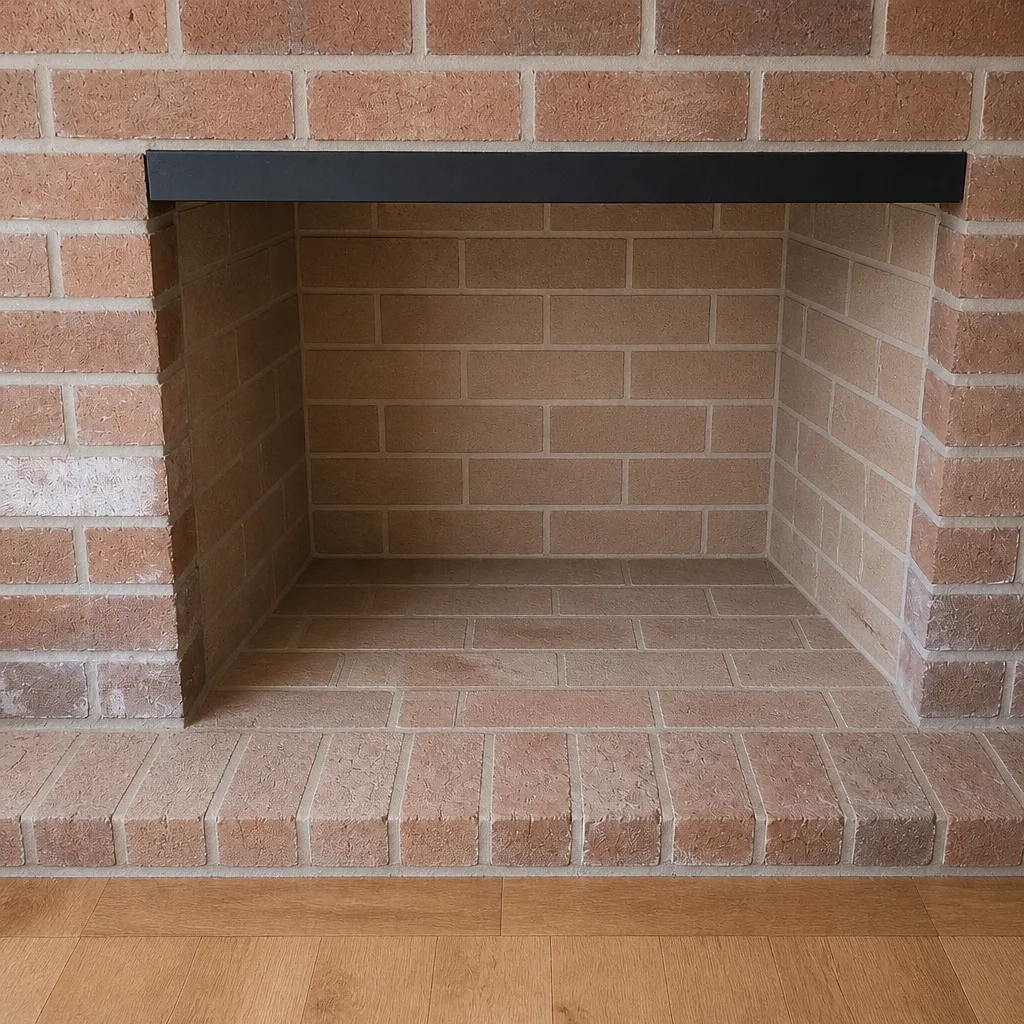
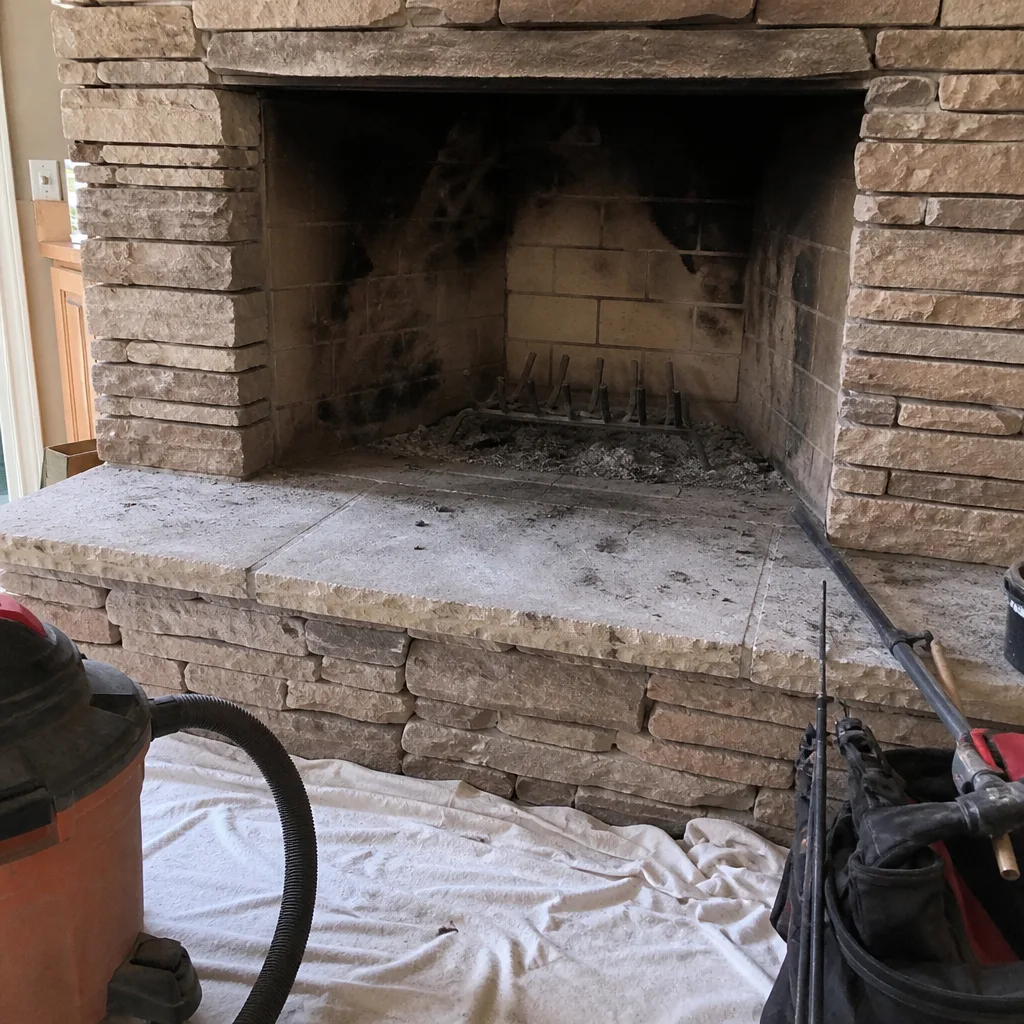
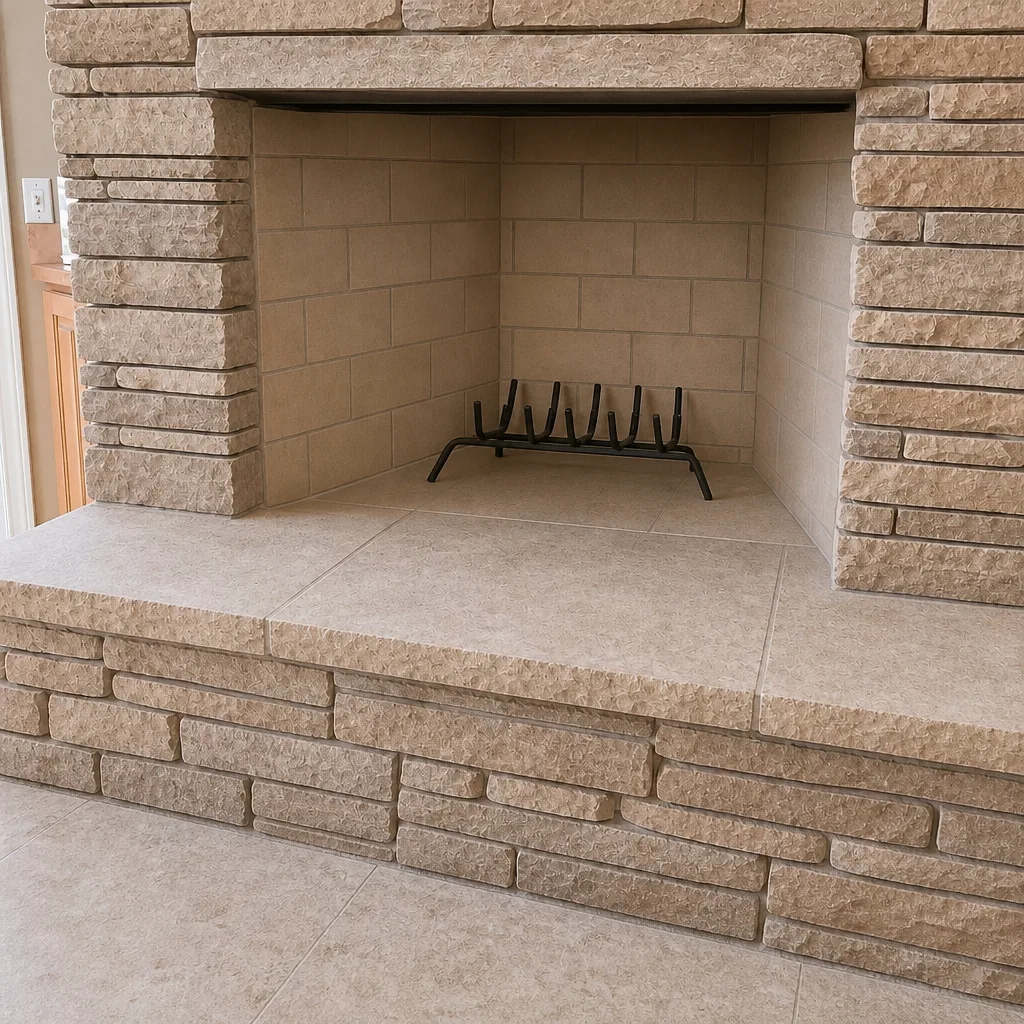
See the difference
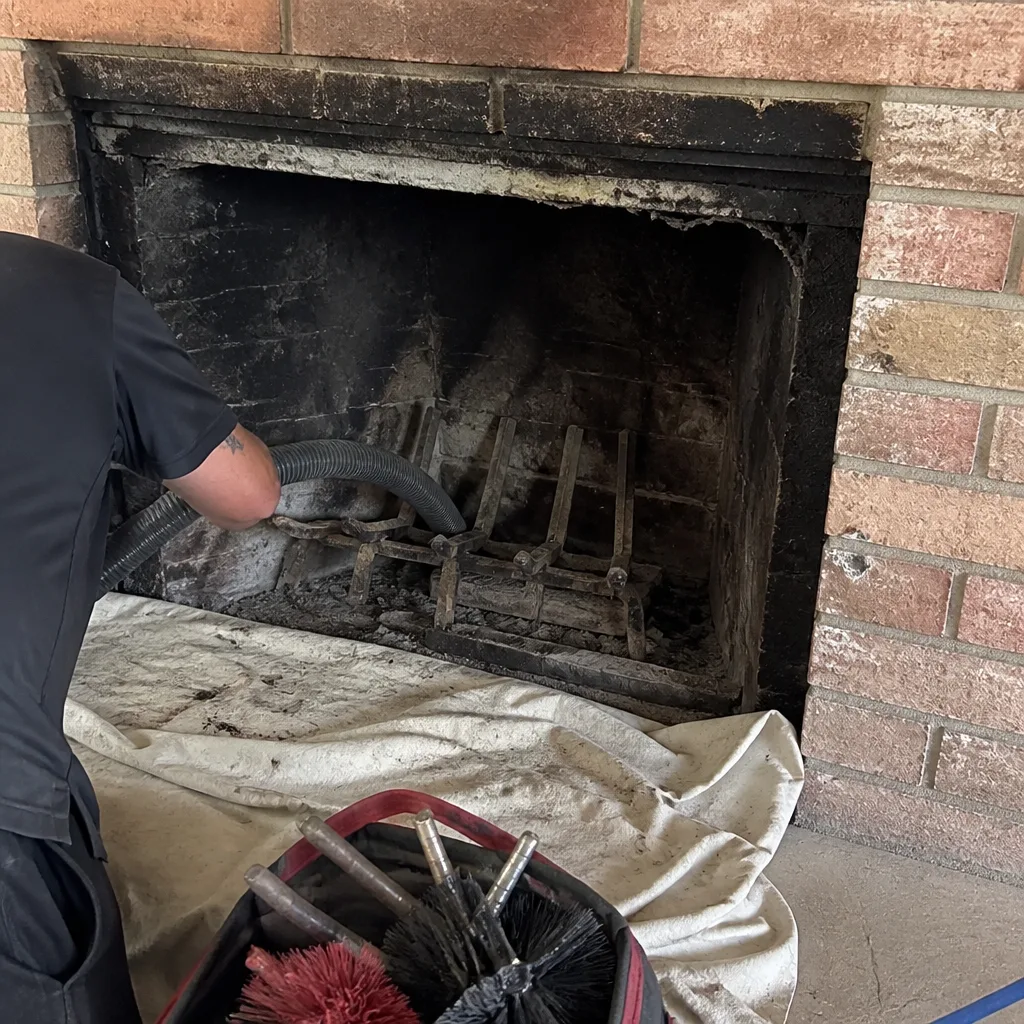 Before
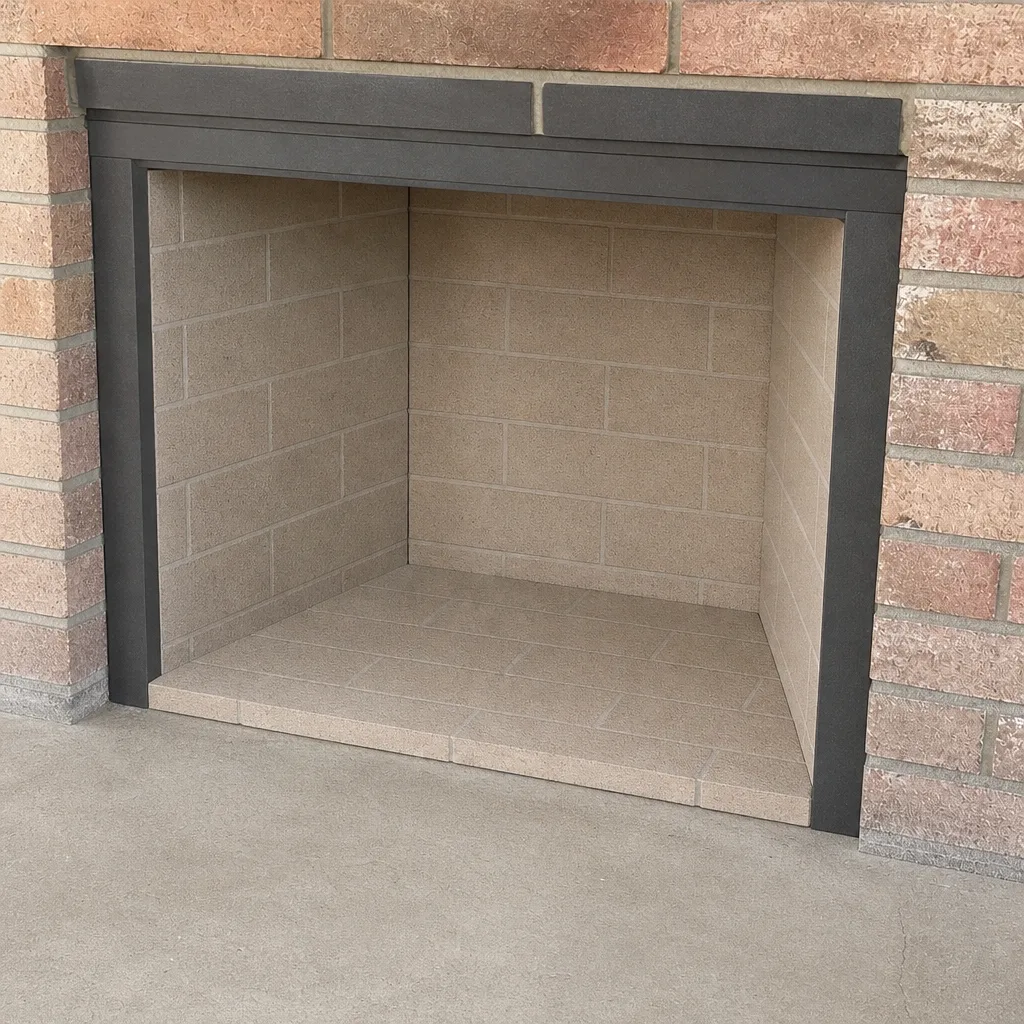 After
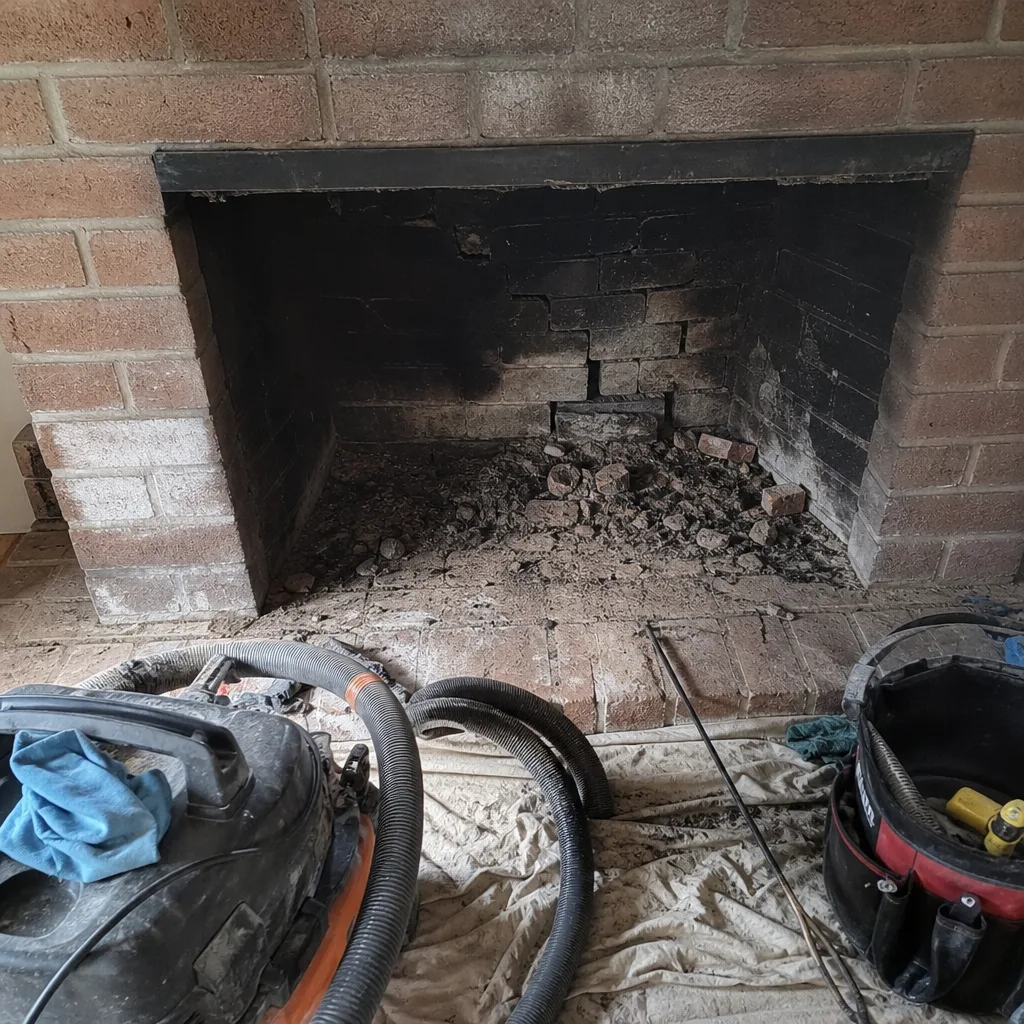 Before
 After
 Before
 After
When to Call a Professional
Call a chimney professional if you’ve had a fire and haven’t had a Level 2 inspection; if your fireplace has a lazy draft, smoke that back-drafts into the room, or a smell that lingers after the fire is out; if you’ve moved into a Scottsdale house and don’t know when the chimney was last swept; if the cap looks damaged, missing, or has debris in it; or if you see or smell anything you can’t explain from the fireplace after a burn. Do not put off the inspection because the fire “seemed small.” The chimney is only proved safe by camera evidence, and until you have that evidence, the safest move is to keep the fireplace cold. Scottsdale Chimney Sweep offers free estimates in Scottsdale – call (888) 340-2124. We answer 24/7. Fast dispatch from 7am to 7pm, Sunday through Friday.
Frequently Asked Questions
In a Scottsdale factory-built system, the telltale signs are usually a low rumble or hum from the flue, a hot wall behind the firebox, a sharp smell in the room, or smoke seeping from joints rather than the cap, not the roaring flames you’d expect from a masonry chimney fire. If you notice any of those, treat it as a chimney fire: get everyone out and call 911. Then have a Level 2 inspection before the fireplace is used again.
No, not until a Level 2 inspection with camera documentation confirms the flue and chase are intact. A small fire can still crack a flue tile or warp a metal liner, and a compromised liner lets carbon monoxide into the house on the next fire. Call (888) 340-2124 to schedule the inspection and get your chimney examined and documented.
Once a year is the baseline for any home that uses a fireplace regularly, and more often if you burn manufactured logs, wet wood, or a lot of short fires through the cool months. Scottsdale’s intermittent burn pattern is a fast creosote builder, so if you light fires weekly through the season, sweep at least once a year and check the flue more often. Call us to schedule a sweep before the season starts.
A Level 1 inspection is a visual check of accessible parts of the fireplace and chimney; a Level 2 adds camera inspection of the full flue and the chase, and is the standard required after a chimney fire, a change of ownership, or a change to the appliance. After a fire, you need the Level 2 with camera images attached to the report, which is also what your insurance adjuster will ask for.
Chimney fire damage is generally covered under standard homeowners policies when it results from a sudden event rather than neglect, though specific coverage depends on your policy. Your adjuster will need a written Level 2 inspection report with camera images, photos of heat damage, and itemized repair estimates that name the liner and cap materials being proposed. We document what we find before we recommend anything, so the report is built for the claim file.
Short, intermittent fires that never run hot enough to burn deposits off, plus wet or under-seasoned wood, are the two biggest factors. A cool, weakly drafting flue condenses smoke onto the liner instead of exhausting it, and Scottsdale’s warm-afternoon cool-evening weather pattern makes weak drafts common. Sweeping on schedule and burning dry seasoned wood is how you slow it.
The Bottom Line
A chimney fire in a Scottsdale home is easy to underestimate because the dramatic signs homeowners expect are often absent. The fire can burn entirely inside the flue and the surrounding framing, with no flame at the top and no audible roar. The safe response is the simple one: get out, call 911, do not open the damper, do not use the fireplace again until a Level 2 inspection with camera documentation confirms the flue and chase are intact. After the fire, the inspection report is both your safety record and your insurance evidence. Sweeping, inspecting, and burning dry wood are the three habits that keep a chimney fire from happening. If you’d like help with any of those steps, Scottsdale Chimney Sweep offers sweeping, inspection, and repair from one specialist team. Call (888) 340-2124 for a free estimate. We answer 24/7. Fast dispatch from 7am to 7pm, Sunday through Friday. Our technicians have up to experience, and we document what we find before we recommend anything.
Written by the team at Scottsdale Chimney Sweep.