
Last updated November 15, 2026
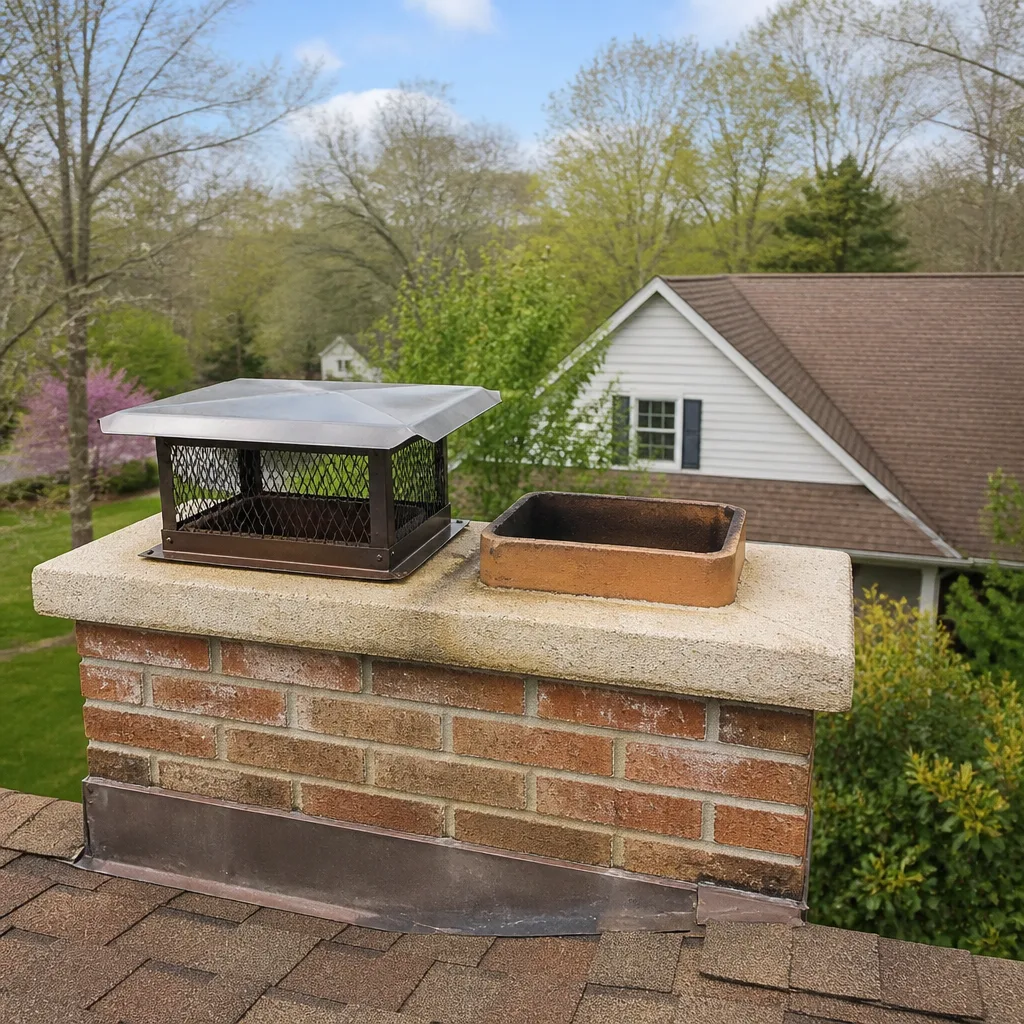 Sweep & inspection
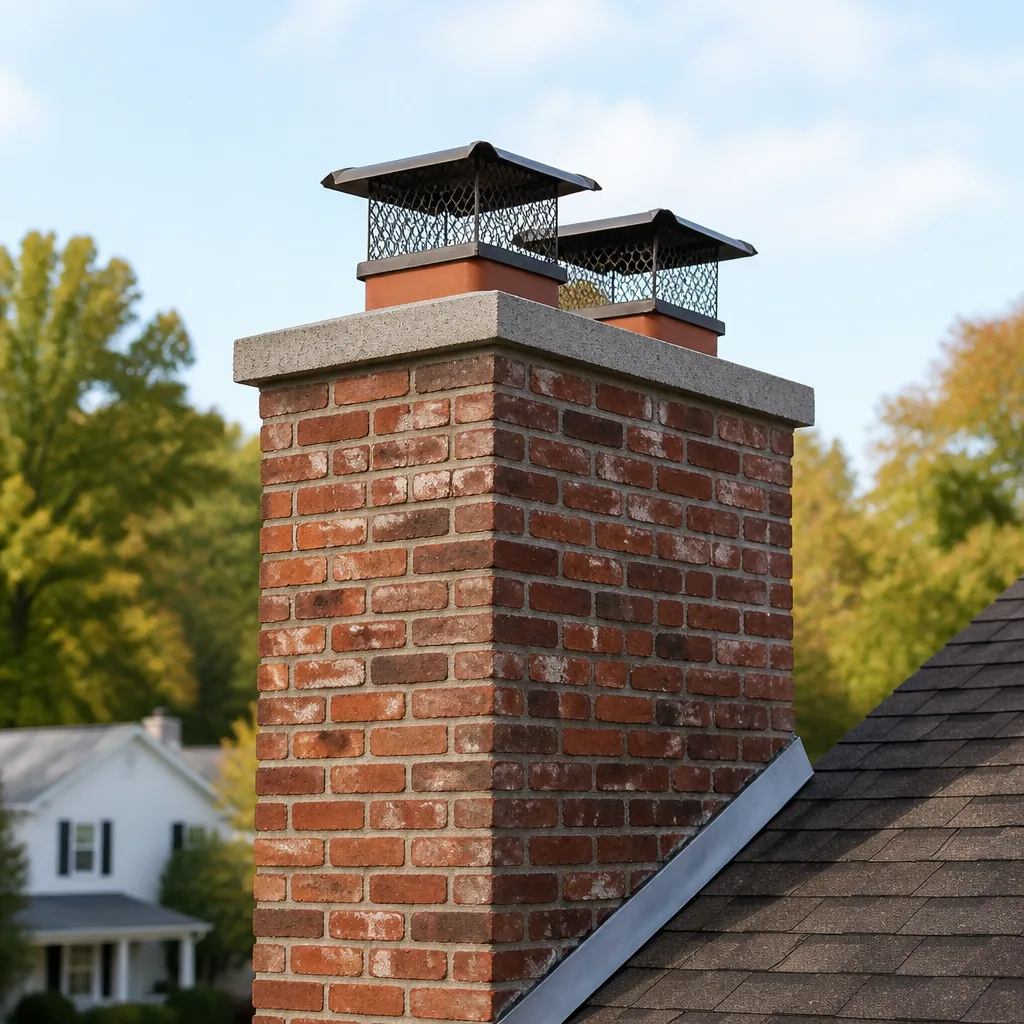 Caps & crowns
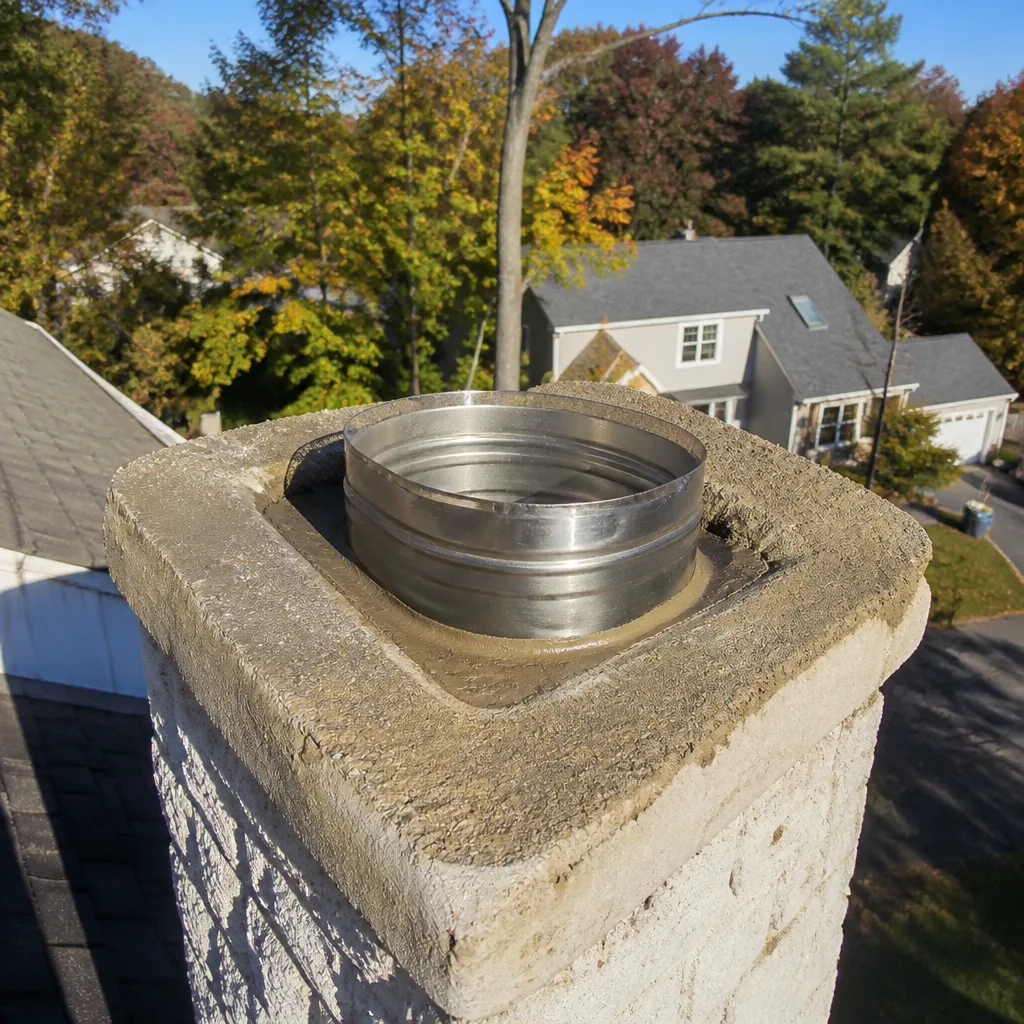 Flue relining
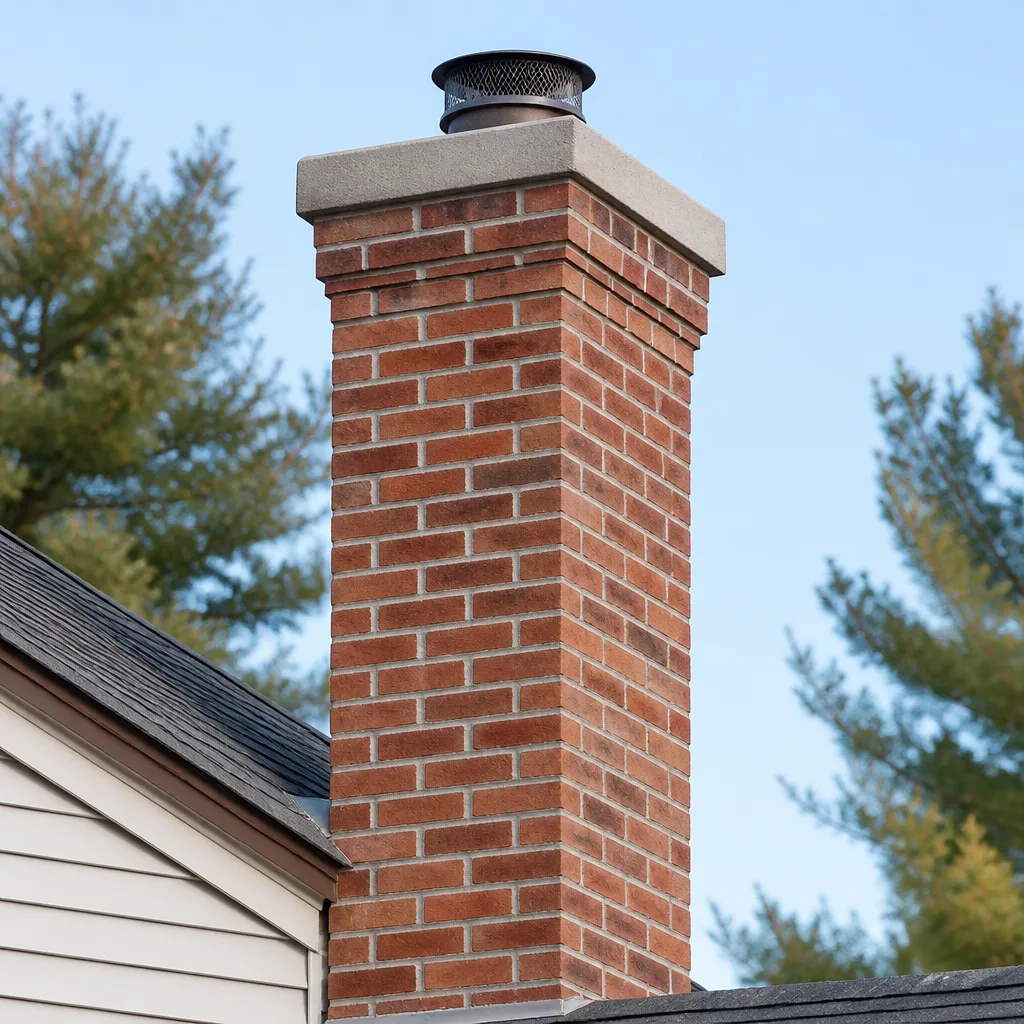 Masonry repair
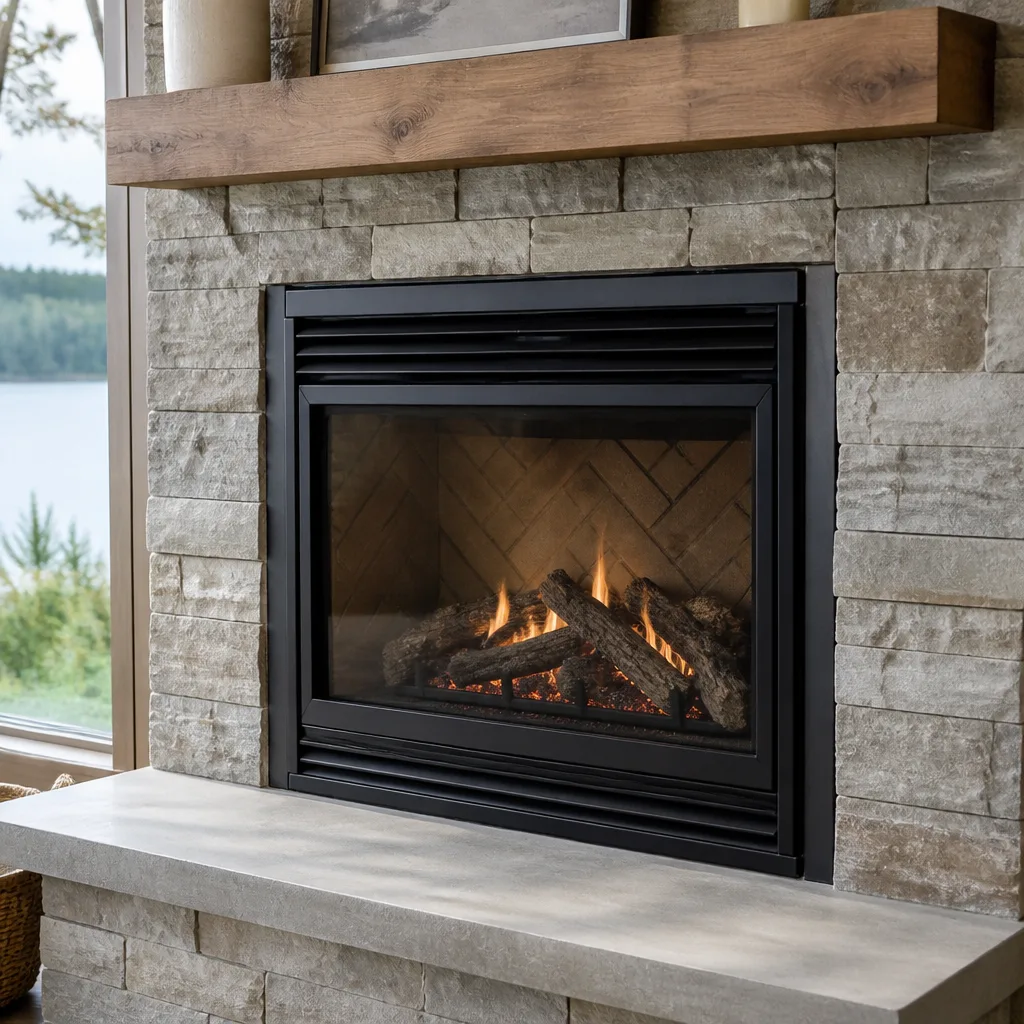 Gas fireplace service
Level 1 sweep and inspection to the NFPA 211 annual standard - flue, crown, cap, and flashing checked and photographed
Chimney sweep logs do not sweep chimneys. They loosen some creosote - which then falls where a brush and vacuum still have to collect it.
Chimney Sweep Maintenance Checklist for Scottsdale Homeowners
Most chimney maintenance advice you’ll find online was written for a house with four seasons and a snow load. Scottsdale doesn’t have that house. Here, the chimney’s worst enemy isn’t winter ice, it’s the other eight months: sun that bakes the cap and crown, temperature swings that work on masonry seams, and birds looking for a place to raise a family in a warm flue. A checklist built for a Michigan colonial will leave you checking the wrong things at the wrong time. What follows is a maintenance calendar organized around how chimneys actually fail in Scottsdale, what you can safely check yourself, and what needs a technician and a camera.
Quick Answer
A Scottsdale chimney needs a professional sweep and inspection once a year, ideally in October before burn season starts in November, plus a homeowner walk-around each spring to check the cap, crown, and exterior masonry for sun and monsoon damage. Between those visits, the two components that need the most attention here are the chimney cap and spark arrestor, which take year-round UV exposure and host nesting birds, and the firebox and damper, which you can inspect yourself with a flashlight.
Styles & brands we work with
- Sweep & inspection
- Caps & crowns
- Flue relining
- Masonry repair
- Gas fireplace service
Table of Contents
- Why a Desert Chimney Needs Its Own Checklist
- The Month-by-Month Maintenance Calendar
- Chimney Cap and Spark Arrestor: The Most Neglected Part of the System
- What You Can Check Yourself vs. What Needs a Camera
- Exterior Warning Signs on a Scottsdale Home
- Documenting Your Chimney Year Over Year
- How Often Should a Scottsdale Chimney Be Swept?
- Common Mistakes to Avoid
- When to Call a Professional
- Frequently Asked Questions
Why a Desert Chimney Needs Its Own Checklist
National home maintenance templates treat the chimney as a winter system that goes dormant in summer. In Scottsdale, it’s the opposite. The system sits idle through the hottest months but takes its heaviest weathering then, and it’s put back into service in November with no transition period. That mismatch is why so many local chimneys fail quietly between burns rather than during them.
Three forces do most of the damage here. The first is ultraviolet exposure. The sun hits an exposed chimney cap, crown, and top course of masonry with an intensity that degrades sealants and elastomeric coatings far faster than in cooler climates. The second is thermal cycling. A summer day that peaks near 110°F and drops into the seventies overnight expands and contracts masonry and metal repeatedly, and every cycle works slightly on the joints and seams that hold the system together. The third is wildlife. Your chimney is a warm, dry, predator-resistant cavity in a landscape full of birds and small mammals looking for exactly that.
The burn season itself runs November through March in Scottsdale. That’s roughly four to five months of active use followed by seven months of environmental stress with no fire in the box. A chimney that was clean in March has had seven months to accumulate a new cap of debris, a fresh nest, or a hairline crack in the crown by the time you light the first fire. A maintenance checklist for this climate has to cover both halves of the year, and it has to treat the off-season as the period when most problems start, not the period when nothing happens. We’ve seen enough Scottsdale chimneys in October to know that the ones with problems almost always trace them back to something that developed between April and September.
The Month-by-Month Maintenance Calendar
Here’s a calendar calibrated to Scottsdale’s burn season and off-season stress factors. It’s a sequence, not a rigid schedule; shift it to fit your household, but keep the order, because each task prepares for the next.
- October – book the annual sweep and inspection. Do this before the first fire, and book early in the month. This is the one appointment that matters most, and it’s easiest to schedule before the pre-season rush. A camera inspection now gives you a documented baseline going into burn season.
- November through March – burn season, monitor and clean the firebox. Keep ash depth reasonable, check the damper operation before each fire, and watch for smoke rolling into the room instead of up the flue. That’s a draft problem, not a cosmetic one.
- April – the post-season walk-around. Once the last fire is out, get on the roof or have someone look at the cap, crown, and flashing. Winter use plus spring temperature swings is when small exterior issues become visible.
- May – clear the firebox and check the damper. Remove ash, inspect the firebox lining for cracks, and cycle the damper to confirm it opens and closes fully. This is a flashlight job you can do yourself.
- June through August – monsoon and heat watch. This is when nesting season, UV degradation, and storm-driven moisture all peak. Check the cap for nests, look for new staining or efflorescence on the exterior, and watch the ceiling and attic near the chase for any sign of a leak.
- September – pre-season prep. Confirm your October appointment, replace a damaged cap screen if you see one, and note anything you want the technician to look at. Bring your notes to the inspection.
If you only do one thing on this list, do the October sweep and inspection. If you do two, add the April walk-around. Most of the expensive repairs we document in Scottsdale chimney repair started as something visible in April that nobody looked at until October.
Chimney Cap and Spark Arrestor: The Most Neglected Part of the System
The chimney cap is the single most neglected component on a Scottsdale home, and it fails faster here than almost anywhere else. It sits fully exposed to UV, takes the full thermal swing of every summer day, and holds a screen that birds find irresistible. A cap costs little to replace and protects the entire flue. A failed cap lets water, debris, and animals straight into the system.
Inspect the cap visually each spring and again in late summer. What you’re looking for:
- Rust or corrosion on the metal body or screen, which is accelerated by sun and monsoon moisture.
- Loose or missing screen, the most common entry point for birds and squirrels.
- Nests or debris packed into the cap or visible at the flue opening. Nesting season in Scottsdale runs through the warm months, so a cap that was clear in March can be occupied by June.
- Bent or shifted cap after a monsoon wind event. A cap that’s been pushed off-center no longer sheds water where it should.
- Clearance around the flue. The cap should sit with its screen fully covering the opening, not resting loosely on top.
The spark arrestor screen matters for a different reason: it keeps hot embers from leaving the flue, and in a dry desert landscape that’s not a small concern. A clogged screen also restricts draft, which shows up as smoke in the room. When we replace a cap, we choose from professional-grade lines like Olympia Chimney and Gelco, and we’ll tell you exactly which one we’re using and why. The cap is also the cheapest place to catch a problem early. A homeowner who checks the cap twice a year will almost always catch a failing one before it lets water into the flue.
What You Can Check Yourself vs. What Needs a Camera
There’s a clear line between homeowner checks and technician work, and it’s worth knowing where that line sits. The tasks below are safe for anyone with a flashlight and a reasonable amount of caution. The rest require a trained technician, a camera, and the ability to interpret what the camera shows.
Safe for you to check:
- The firebox lining, for visible cracks, crumbling mortar, or gaps between firebrick.
- The damper, by opening and closing it and confirming it seats fully and operates smoothly.
- Ash depth in the firebox, and general cleanliness of the hearth area.
- The exterior of the chimney from the ground: cap condition, obvious staining, cracks in stucco near the chase.
- Any smoke entering the room when a fire is lit, which signals a draft or blockage issue.
Requires a technician with a camera:
- The interior flue surface, including the liner, joints, and any offset or transition. Camera inspection is the only way to see the full flue.
- The smoke chamber and damper assembly above the firebox, which is where creosote glazing and liner damage often hide.
- The crown and flashing at the roofline, which need close inspection from the roof.
- Any repair involving the liner itself, including resurfacing. HeatShield, the industry’s leading resurfacing system, is applied only by trained applicators, and a flexible liner replacement using a system like DuraFlex is not a homeowner project.
One safety note that isn’t negotiable: anything involving the flue interior, the crown, or the roof is a job for a trained professional. Chimney work involves heights, confined spaces, and combustion byproducts, and the risks of getting it wrong are serious. Nothing in this checklist asks you to go beyond a flashlight and a look from the ground.
Exterior Warning Signs on a Scottsdale Home
Moisture problems in a chimney almost always show on the exterior before they reach the interior. On a Scottsdale home, the signals are specific to stucco and masonry construction, and they’re easy to miss if you don’t know what you’re looking at.
- Stucco cracking near the chase. Hairline cracks that follow the chimney chase or appear where the chase meets the roofline can let monsoon rain into the wall assembly. Cracks that widen over a season are worth a closer look.
- Efflorescence on brick. That white, powdery staining is mineral salts pushed to the surface by moisture moving through the masonry. It’s a sign water is getting in somewhere, not a cosmetic issue.
- Staining on the chimney exterior or the roof deck nearby. Dark streaks below the cap or crown suggest water is running where it shouldn’t.
- Rust streaks on the cap or flashing. Corrosion on metal components is accelerated by sun and moisture, and it often points to a seal that’s failed.
- Interior signs, once moisture has traveled. Water stains on the ceiling or wall near the chase, or a musty smell in the room with the fireplace, mean the problem has already reached the interior.
The reason exterior signs matter so much here is timing. A moisture problem caught at the stucco-crack stage is usually a sealing or flashing repair. The same problem caught after a season of monsoon rain has moved into the wall and the flue is a much larger job. In our experience, the homes that avoid big chimney repairs are the ones where someone walks the exterior twice a year and writes down what they see. If you’re seeing any of these signs, a professional inspection is the right next step, and it’s the kind of thing our chimney repair team documents with photos before recommending anything.
Documenting Your Chimney Year Over Year
Here’s a scenario worth preparing for. A contractor tells you the chimney has damage that “must have appeared recently,” and you have no way to verify it. Was that crack there last year? Was the crown always like that? Without a record, you’re relying entirely on the contractor’s word.
Building a year-over-year record solves that, and it takes almost no effort. Start with your inspection report. A proper inspection should include photos of what was found, and you should keep those photos somewhere you can find them a year later. Then add your own notes. A simple file works:
- Date of each inspection and the inspector’s findings, including any recommended repairs and whether you did them.
- Photos of the cap, crown, and exterior taken from the same angle each year, so changes are obvious.
- Notes on interior observations, like draft problems, smoke in the room, or changes in how the fireplace burns.
- Records of any repair, including which materials were used. If a liner was resurfaced with HeatShield or replaced with a DuraFlex system, note the date and the product.
This record does two things. It lets you spot slow changes that a single inspection might miss, and it gives you a baseline if anyone claims damage is new. When we inspect a chimney, we document what we find before we recommend anything, and we’re happy to walk a homeowner through the photos. Whether the recommendation is a cleaning, a liner resurfacing, or a cap replacement, the evidence comes first. That’s also how we handle the chimney sweep side of the visit: the camera inspection and photo report are included, so you see what we see.
How Often Should a Scottsdale Chimney Be Swept?
Once a year for most households that burn regularly, and that’s the honest answer for a Scottsdale home with a fireplace in regular winter use. The general industry rule is an annual inspection, with sweeping as needed based on what the inspection finds. For a household that lights fires several times a week from November through March, the annual sweep is the right cadence.
Some situations call for more frequent attention:
- Heavy use, meaning daily fires through the burn season, which builds creosote faster than occasional use.
- Burning unseasoned or green wood, which produces more creosote than dry, well-seasoned fuel.
- A prior inspection that found glazed creosote, which needs closer monitoring until it’s addressed.
- A cap or screen that’s been damaged, since debris and nesting material can accumulate quickly once the screen is compromised.
- Any change in how the fireplace performs, like reduced draft or smoke entering the room.
What actually happens if you skip it? Creosote accumulates on the flue walls, and in sufficient quantity it can ignite. A chimney fire is a serious event, and the buildup that causes it is invisible from the firebox. There’s also the carbon monoxide side: a blocked or damaged flue can let combustion gases back into the home instead of venting them. Neither risk is a reason to panic, and neither is a reason to spend money you don’t need to spend. It’s a reason to get the flue looked at once a year by someone with a camera who can show you the condition. Call (888) 340-2124 for an exact quote on a sweep and inspection, and we’ll tell you what we find before we recommend anything.
See the difference
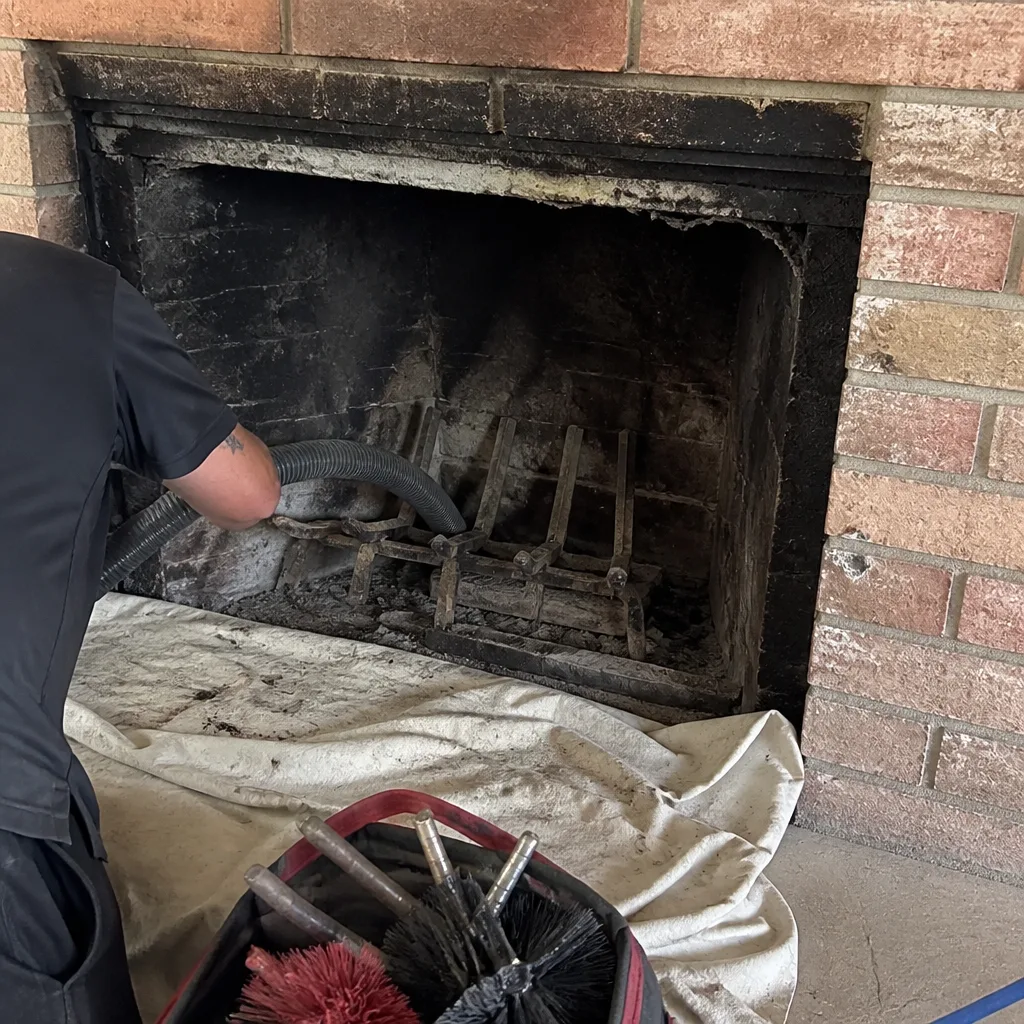 Before
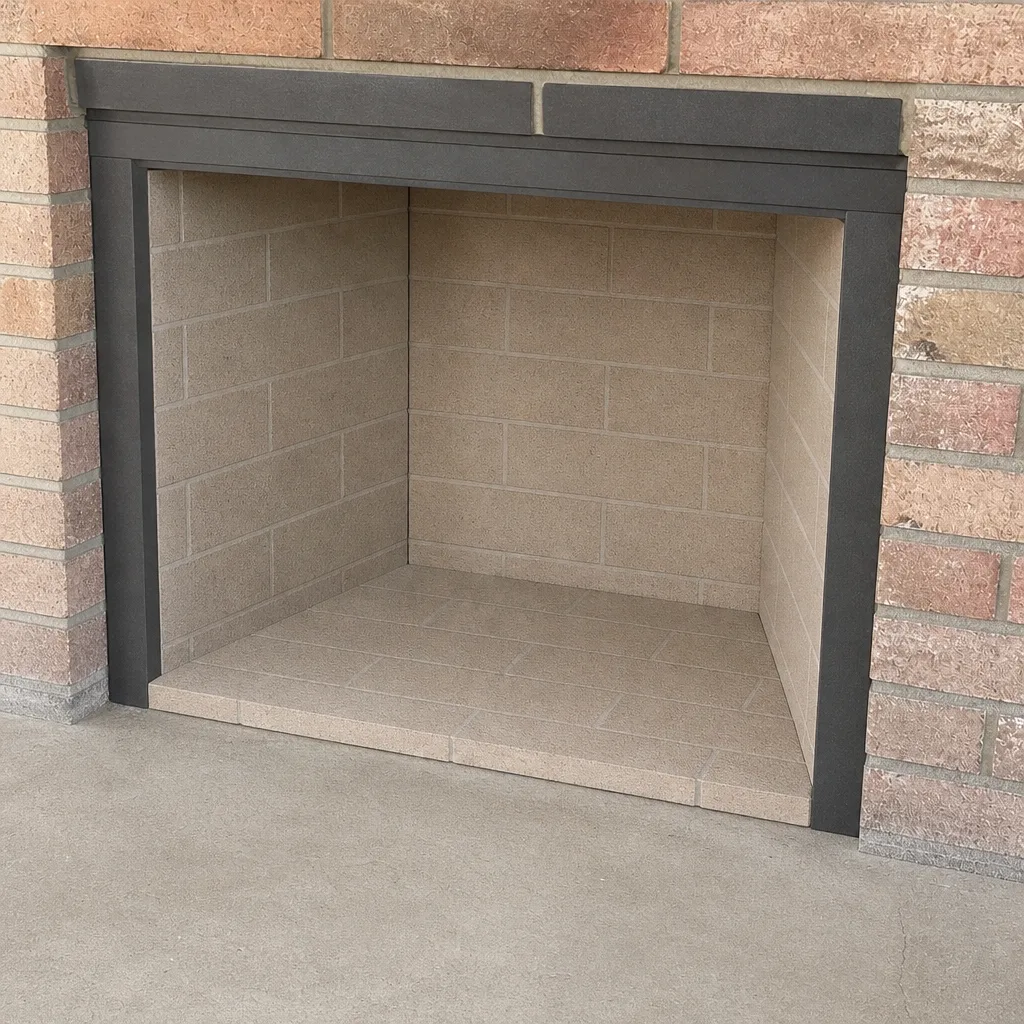 After
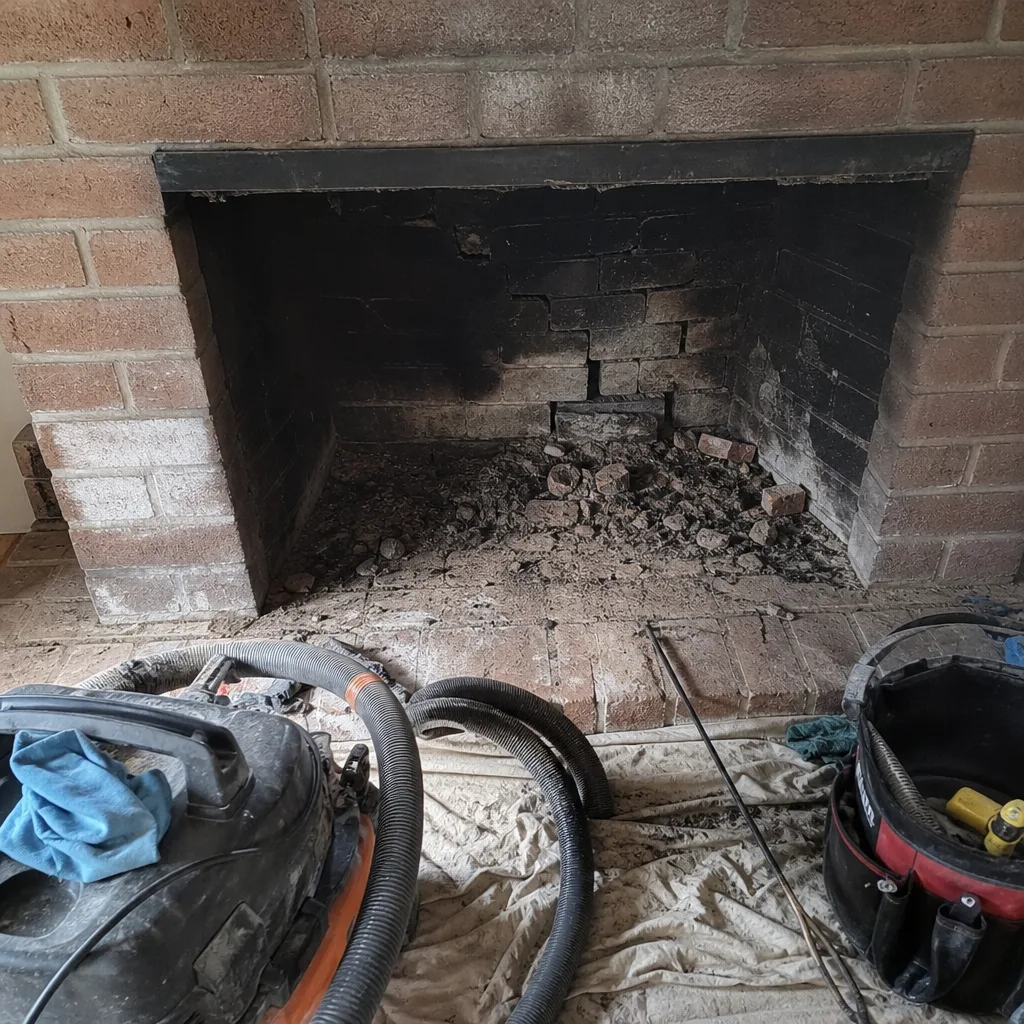 Before
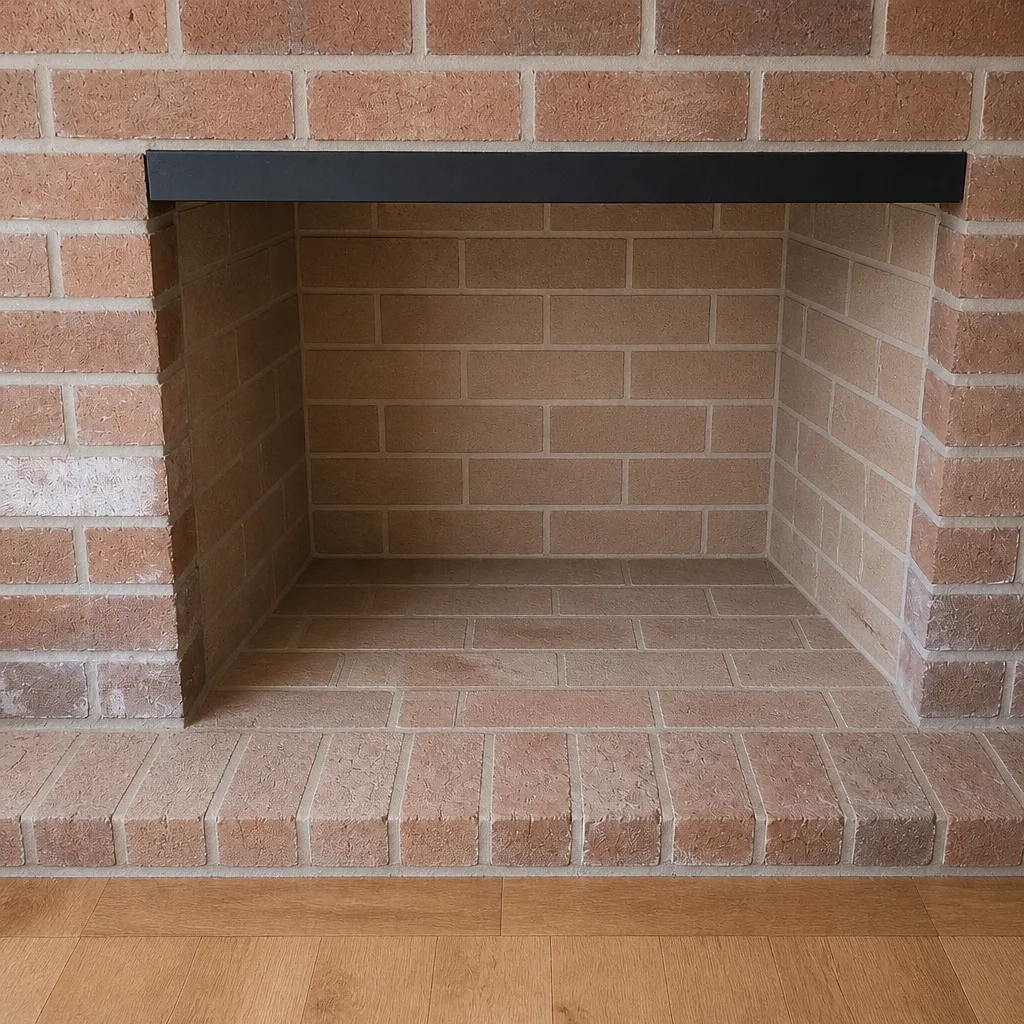 After
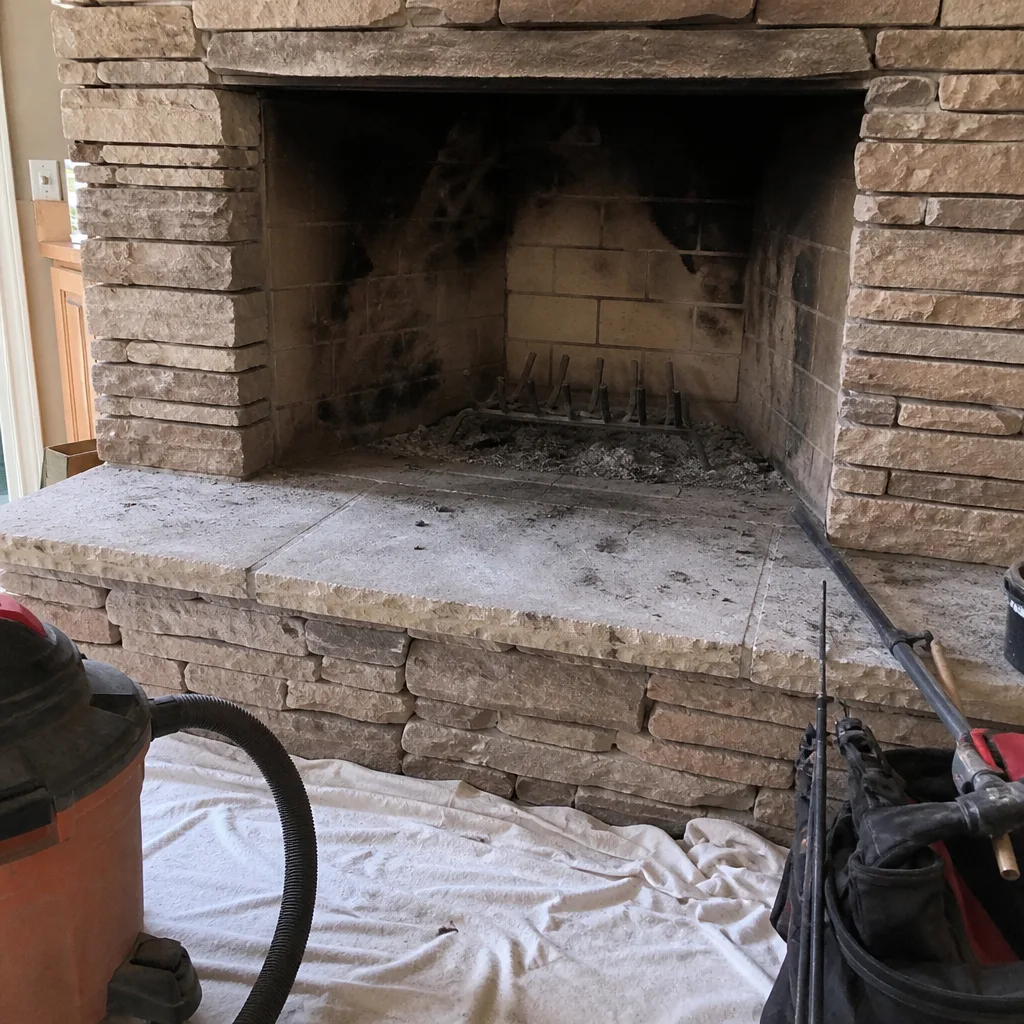 Before
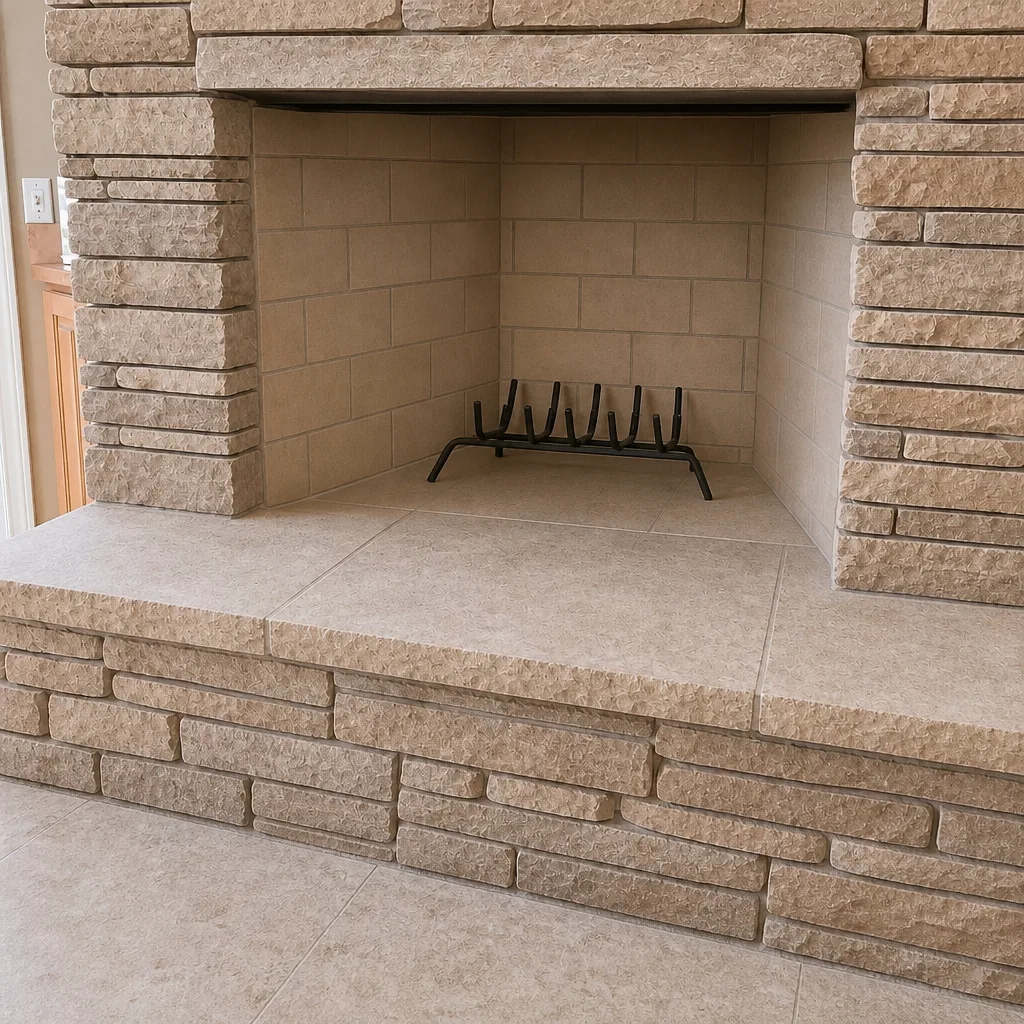 After
Common Mistakes to Avoid
- Treating the chimney as a winter-only system. The heaviest weathering in Scottsdale happens between April and October, when the chimney sits idle. Ignoring it for seven months is how small exterior issues become interior leaks.
- Skipping the cap check because the cap looks fine from the ground. UV degradation and nesting damage are often invisible from below. Get a closer look each spring, or have the cap checked during the annual inspection.
- Assuming a clean-looking firebox means a clean flue. The creosote that matters is on the flue walls, where you can’t see it. Only a camera inspection confirms the interior condition.
- Accepting a repair recommendation without photos. If a contractor can’t show you what they found, you have no way to evaluate the recommendation. Ask for the camera images and a written report.
- Ignoring stucco cracks near the chase. In a Scottsdale home, a hairline crack near the chimney is a moisture path. Seal it before the monsoon season, not after.
- Burning green or unseasoned wood to save money. It produces more creosote, which means more frequent sweeping and a higher risk of a chimney fire. Dry, seasoned wood is the cheaper choice over a season.
- Letting a nesting bird or squirrel stay in the flue. A blocked flue is a draft and carbon monoxide problem. If you suspect an animal is in the chimney, get it checked rather than lighting a fire to drive it out.
When to Call a Professional
Call a professional when the annual inspection is due, when you see any of the exterior warning signs above, or when the fireplace behaves differently than it used to. Smoke entering the room, reduced draft, a damper that won’t seat, visible cracks in the firebox lining, or evidence of an animal in the flue all warrant a visit. Anything involving the flue interior, the crown, or the roofline is professional work, and so is any liner repair, including HeatShield resurfacing or a flexible liner replacement.
We handle sweep, inspection, and repair as one service, so you don’t need a second contractor to finish the job. Our technicians have up to experience, and we work with professional-grade product lines including DuraFlex, HeatShield, Gelco, Olympia Chimney, Famco, and Copperfield. Scottsdale Chimney Sweep offers free estimates in Scottsdale; call (888) 340-2124. We answer 24/7. Fast dispatch from 7am to 7pm, Sunday through Friday.
Frequently Asked Questions
A typical chimney sweep in Scottsdale runs in the range of a standard professional cleaning, and the written estimate sets the final price after we see the chimney. The cost depends on the flue configuration, how much creosote has built up, and whether the visit includes an inspection. We give you a flat price before we book, so there are no surprises. Call (888) 340-2124 for an exact quote; estimates are free.
Once a year for most homes that burn regularly through the November-to-March season. The annual visit includes an inspection, and the sweep itself is done as needed based on what the inspection finds. Heavy use, burning unseasoned wood, or a prior finding of glazed creosote can call for more frequent attention. Call (888) 340-2124 to schedule the annual visit.
Only if the camera inspection shows the existing liner is cracked, deteriorated, or mismatched to the appliance, and you should see the evidence before agreeing to anything. A liner that’s still sound doesn’t need replacing. When a liner does need work, resurfacing with HeatShield or a flexible replacement with a DuraFlex system are both options depending on the condition. We document what we find before we recommend anything, so you can evaluate the recommendation yourself. Call (888) 340-2124 to book an inspection.
Creosote accumulates on the flue walls, and in enough quantity it can ignite, which is a chimney fire. A blocked or damaged flue can also let combustion gases, including carbon monoxide, back into the home instead of venting them. Neither outcome is guaranteed, and skipping one year isn’t a crisis, but the buildup is invisible from the firebox, so you can’t judge the risk yourself. Call (888) 340-2124 to get the flue checked.
You can safely check the firebox lining, the damper, the ash depth, and the exterior from the ground. You can’t inspect the flue interior, the smoke chamber, or the crown without a camera and roof access, and those are the areas where serious problems hide. Anything involving the flue interior or the roofline is work for a trained professional. Call (888) 340-2124 to schedule a camera inspection.
UV exposure and thermal cycling. A cap sits fully exposed to intense sun and swings between hot days and cool nights, which degrades metal, sealants, and screen material faster than in milder climates. Add nesting birds looking for a warm cavity and the cap takes more wear than any other part of the system. Check it each spring and again in late summer. Call (888) 340-2124 if you see rust, a loose screen, or nests.
The Bottom Line
A Scottsdale chimney needs a maintenance rhythm built for its climate, not a national template. That means an October sweep and camera inspection before burn season, an April exterior walk-around after it, and checks on the cap and spark arrestor through the hot months when UV and nesting do their damage. Keep a written record with photos so you have a baseline. Handle the firebox and damper yourself, and leave the flue interior, crown, and any liner work to a technician. Do that, and you’ll catch the expensive problems while they’re still small. For a documented inspection and a straight answer on what your chimney needs, see Scottsdale Chimney Sweep or call (888) 340-2124. We answer 24/7. Fast dispatch from 7am to 7pm, Sunday through Friday. If you’re comparing providers around the valley, our Scottsdale page explains how we work.
Written by the team at Scottsdale Chimney Sweep.