
Last updated November 15, 2026
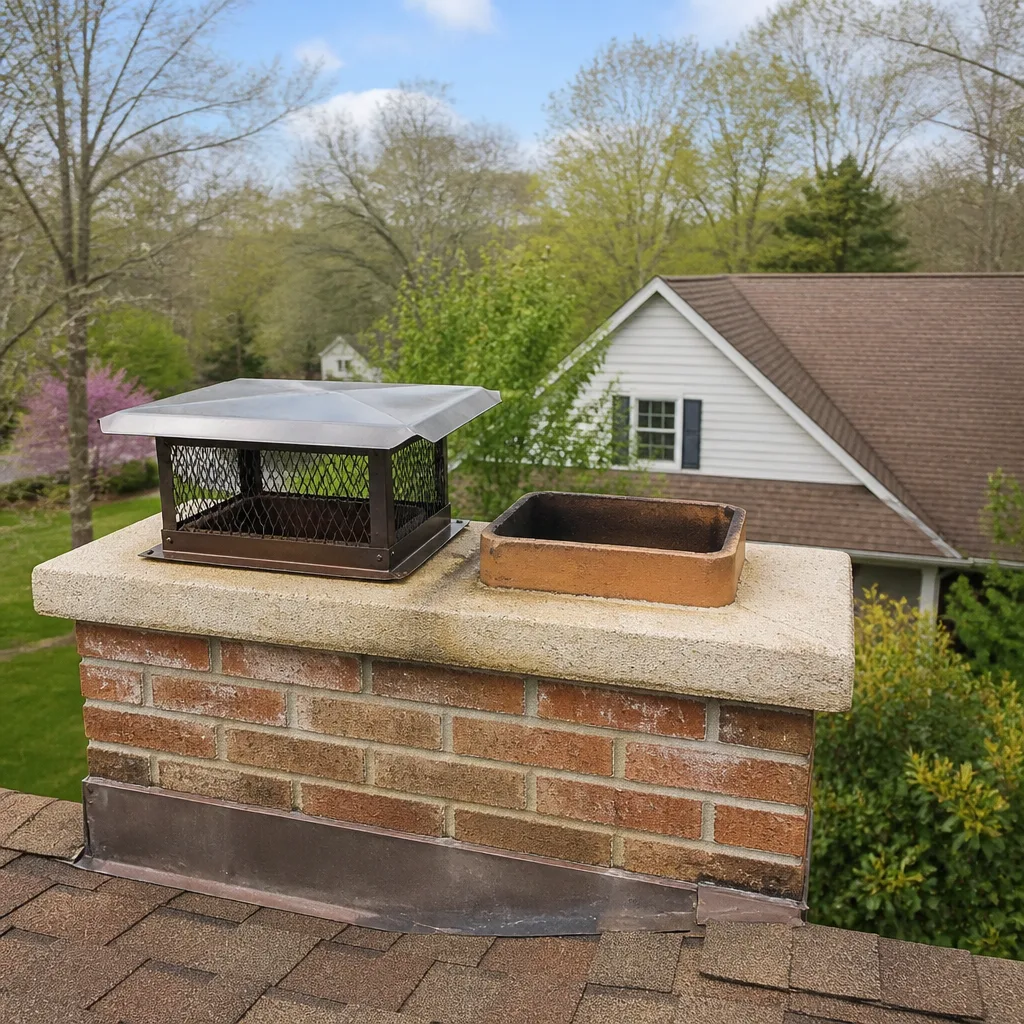 Sweep & inspection
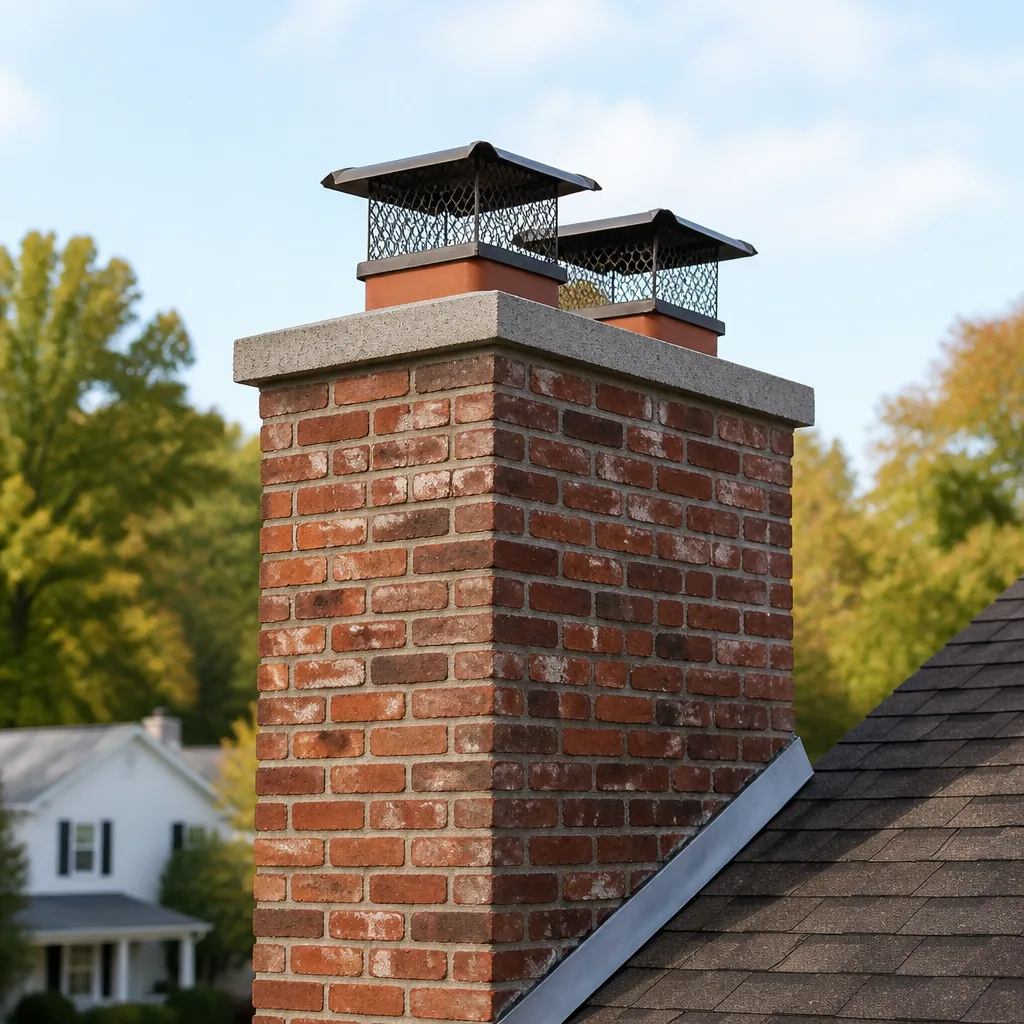 Caps & crowns
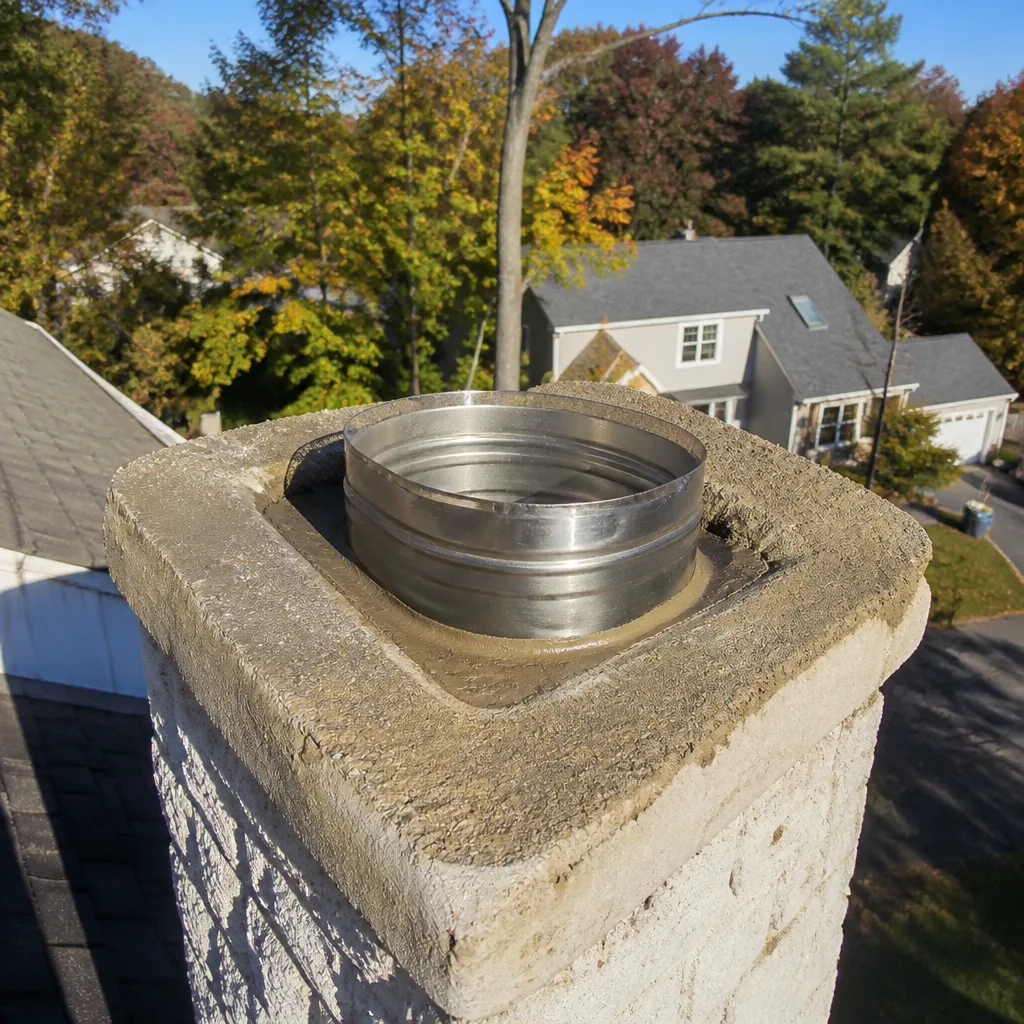 Flue relining
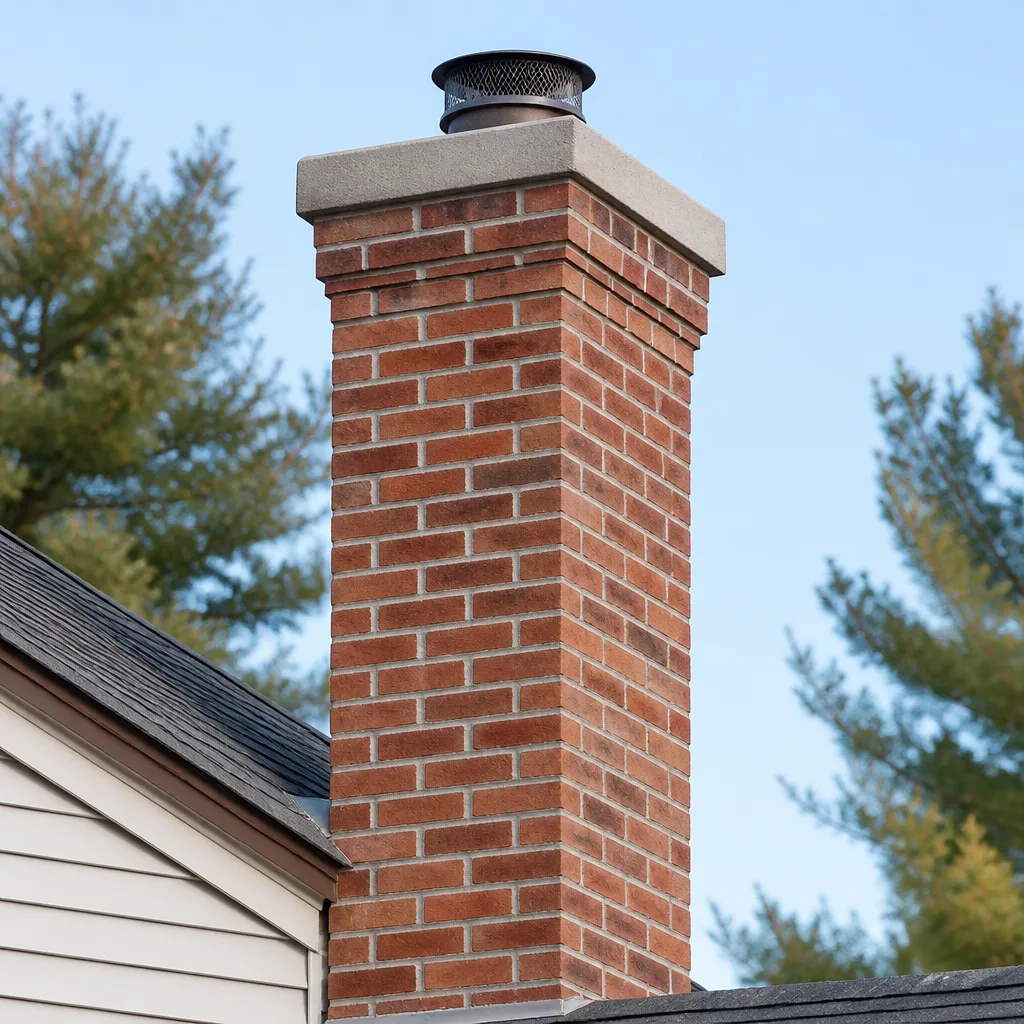 Masonry repair
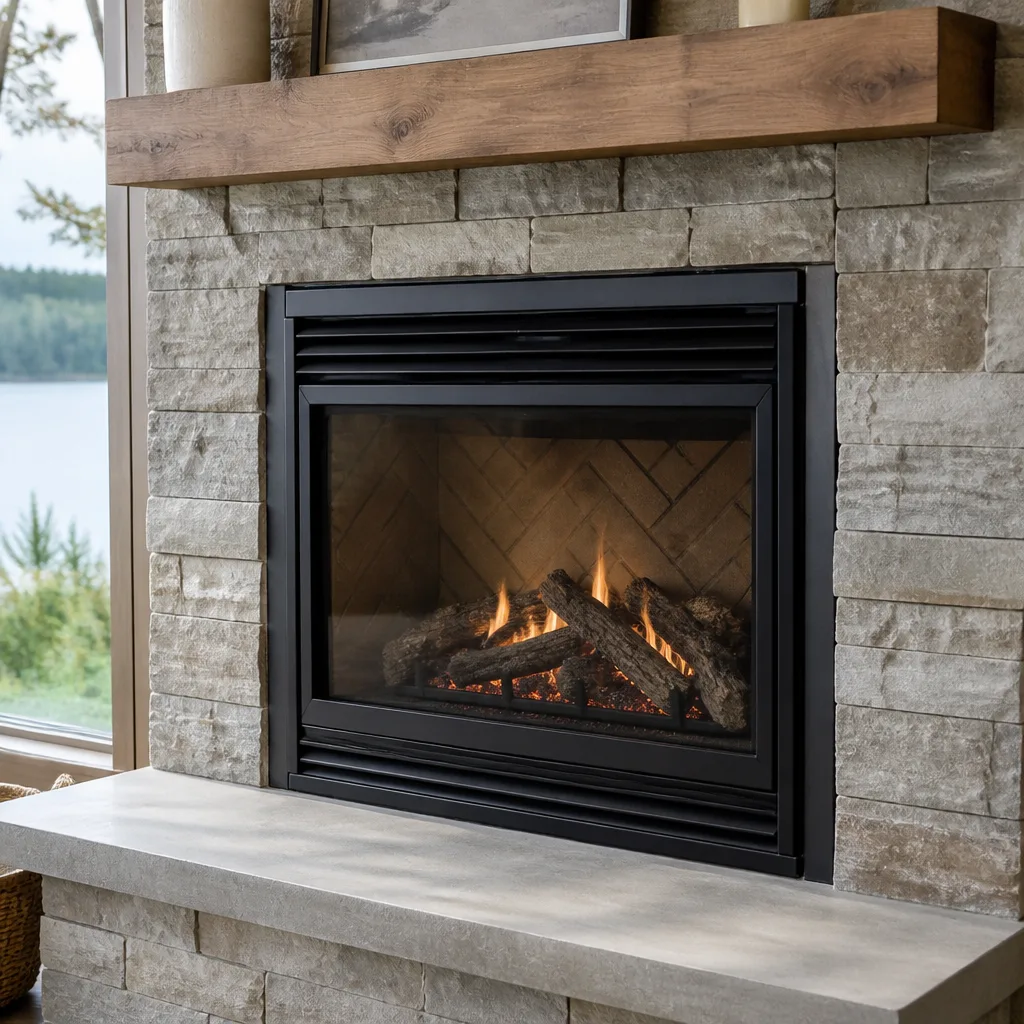 Gas fireplace service
Level 1 sweep and inspection to the NFPA 211 annual standard - flue, crown, cap, and flashing checked and photographed
Chimney sweep logs do not sweep chimneys. They loosen some creosote - which then falls where a brush and vacuum still have to collect it.
Chimney Sweep Troubleshooting in Scottsdale: Common Problems and How to Fix Them
A smoky firebox in Scottsdale is almost never about the chimney being “dirty.” It’s usually a pressure or draft issue caused by how tightly modern desert homes are sealed against the heat. We see it constantly: a homeowner lights a fire on a cool January evening, smoke rolls out of the firebox instead of up the flue, and the first instinct is to assume the chimney needs a sweep. Most of the time, the flue is cleaner than they expect and the real problem is air, not ash. This guide walks through the patterns we’ve learned to read in Scottsdale chimneys, symptom by symptom, so you can tell a draft problem from a creosote problem from a water-intrusion problem before you call anyone.
Quick Answer
Most chimney problems in Scottsdale fall into five predictable categories: negative air pressure causing backdraft, concentrated tar-like creosote from low-use fireplaces, thermal-shock cracks in the firebox, smoke chamber and damper failures, and moisture intrusion through stucco and desert masonry. You can usually narrow the cause from inside the firebox using draft, staining, and crack-pattern clues. Anything involving structural cracking, active water intrusion, or a compromised flue liner needs a licensed chimney professional to inspect and repair.
Styles & brands we work with
- Sweep & inspection
- Caps & crowns
- Flue relining
- Masonry repair
- Gas fireplace service
Table of Contents
- Why Your Fireplace Smokes: The Scottsdale Backdraft Problem
- Creosote in Low-Use Desert Fireplaces: Why It’s Worse Than You Think
- Thermal-Shock Cracks in Scottsdale Fireboxes: Cosmetic vs. Structural
- Diagnosing Smoke Chamber and Damper Failures From Inside
- Moisture and Staining: Reading Water Damage on Stucco and Desert Masonry
- Caps, Crowns and the Top-Down Problems You Can’t See
- A Step-by-Step Home Diagnostic You Can Do Safely
- When to Call a Professional
Why Your Fireplace Smokes: The Scottsdale Backdraft Problem
If your fireplace smokes into the room instead of drafting up the chimney, the most likely cause in a Scottsdale home is negative air pressure. Modern houses built for desert heat are sealed tight – spray foam, weatherstripping, tight-fitting windows, and mechanical exhaust fans pulling air out of the house. When a home is this tight, the chimney has to compete for the air it needs to draft. A hot fire needs a steady supply of combustion air coming in, and if the house itself is under negative pressure, the chimney can actually reverse and pull smoke into the room. It’s the most common problem we diagnose in Scottsdale, and it has almost nothing to do with how clean the flue is.
The 30-Second Cracked-Window Test
Before you assume your chimney is blocked, try this. Light a small fire, let it catch, and if smoke starts rolling into the room, crack the nearest window about an inch. Wait 30 seconds. If the smoke straightens up and starts drafting properly, you’ve just proven negative pressure is the cause. The chimney is telling you it needs makeup air. If the smoke continues to roll out with the window cracked, the problem is something else – a blocked flue, a failing damper, or a draft issue that needs a proper inspection.
If the crack test does the job, you have options short of rebuilding anything. Some homeowners install a dedicated outside-air intake. Others simply crack a window near the firebox while the fire is burning. A chimney professional can also evaluate whether your home’s exhaust fan use is contributing – a kitchen fan or bathroom fan running hard can pull enough air to starve a fireplace. The right fix depends on the house.
Signs It’s a Pressure Problem and Not a Blockage
- Smoke rolls out at startup but settles once the fire is hot
- A strong smell of smoke in the room after the fire dies down
- The fireplace drafts fine on windy days but smokes on calm, cool nights
- Other exhaust fans running in the house make it worse
- A brand-new home or recently remodeled home with tight air sealing
Three or more of these together point to pressure, not blockage. That distinction matters, because a sweep won’t fix a draft problem. It’ll just cost you a sweep and leave the smoking unchanged.
Creosote in Low-Use Desert Fireplaces: Why It’s Worse Than You Think
Here’s a counterintuitive fact about Scottsdale fireplaces: the occasional-use fireplace is often more dangerous than the heavily used one. Creosote forms when wood smoke cools and condenses on the flue walls. In a cold-climate fireplace that burns hot and long, the chimney stays warm enough that much of the creosote burns off or stays in a lighter, flakier form. In a Scottsdale fireplace that gets lit a dozen times a season – a few holiday evenings, a handful of cool nights – the flue stays cold, the fire burns cooler and smokes more, and the creosote that accumulates is concentrated and tar-like. Per inch, it’s harder to remove and more flammable than the lighter glaze you’d find in a high-use northern chimney.
That matters because low-use homeowners skip their sweeps. If you burn ten fires a year, a sweep sounds unnecessary. But the glaze on a low-use flue can reach the third-degree, glazed stage just as easily as a busy one, and it’s the glazed stage that poses the real chimney fire risk. We inspect Scottsdale chimneys where the firebox looks nearly new and the flue is coated in a hard, shiny layer that needs professional rotary cleaning to remove – the sort of buildup no brush-and-vacuum routine will touch.
How to Tell What Stage You’re At
- Stage 1: Soot and light flaky deposits. Brushable. Normal after a season of use.
- Stage 2: Denser, crusty flakes. Still removable with proper tools but needs attention now.
- Stage 3: Hard, shiny, tar-like glaze. Requires rotary cleaning or chemical treatment and is the highest fire-risk stage.
You can’t reliably tell what stage you’re at without looking at the flue, and that means a camera inspection or a professional sweep. What burns matters too. Seasoned hardwoods produce less creosote than green or soft woods, and manufactured logs can contribute their own deposits. For a Scottsdale fireplace that gets light use, the smart move is an annual inspection – even if you barely burned anything. The inspection tells you whether a sweep is needed, or whether your flue is fine for another year.
Thermal-Shock Cracks in Scottsdale Fireboxes: Cosmetic vs. Structural
Scottsdale’s temperature swings are the culprit here. A 100°F afternoon can drop to the 40s overnight in the shoulder seasons, and any home with an actively used fireplace cycles those fireboxes through constant heating and cooling. Masonry doesn’t love rapid temperature change. Firebrick and mortar expand when they heat and contract when they cool, and over enough cycles they develop cracks. Most of those are hairline cracks that look worse than they are. Some of them aren’t.
How to Tell a Cosmetic Crack From a Structural One
Cosmetic cracks are typically hairline, in the mortar joints, and stay put. They don’t grow noticeably from season to season. Structural cracks are wider – a credit-card edge or more – run through the firebrick itself rather than the mortar, and tend to open up further over time. Cracks that run in a continuous line through multiple bricks, or that face into the firebox where heat hits hardest, are the ones that matter. Here’s a rough guide:
- Hairline mortar joint cracks – usually cosmetic, monitor annually
- Cracks wider than 1/8 inch in the firebrick – inspect by a professional; potential heat migration into the masonry
- Cracks with missing material behind them – structural, do not use the fireplace until inspected
- Pieces of firebrick that crumble or gap open – structural, repair required before next fire
The stakes are real. A cosmetic crack lets a little more heat into the firebrick face; a structural one can let heat reach framing or allow smoke and carbon monoxide into the wall cavity. You can’t fully rule that out from the firebox face alone, which is why any crack that worries you deserves an inspection. When repairs are needed, a dedicated chimney repair service can address the firebox face, the mortar joints, and the smoke chamber together so cracks in one area don’t reappear as cracks in another. We work with HeatShield resurfacing for exactly this kind of repair, and we’ll tell you why we’re specifying it for your particular crack pattern.
Diagnosing Smoke Chamber and Damper Failures From Inside
Two of the most common failures in a Scottsdale chimney hide inside the smoke chamber and at the damper – the transition zone between the firebox and the flue. You can often diagnose both from inside the firebox without getting on the roof, which is useful because most homeowners shouldn’t be up there.
The Damper Test
Open the damper and look at the plate. A working damper should open smoothly, sit flat, and close tightly when you release it. Here’s what a failing one tends to look like:
- Stuck or rusted open, or frozen closed
- The plate doesn’t seat fully when closed (you can see light past the edge)
- Bent or warped from heat over time
- Gaps around the frame where the damper sits
- Rust flaking off the plate itself
A damper that doesn’t seat properly either lets heated air escape up the flue when the fireplace is off (an energy loss in summer), or leaves a gap that lets cold downdrafts through when it’s closed. A damper that won’t open at all is a fire hazard waiting to happen – never light a fire with a stuck damper.
Smoke Chamber Indicators
The smoke chamber sits above the damper and funnels smoke into the flue. In an older Scottsdale chimney it’s often parged with mortar that gradually breaks down. What you can see from inside the firebox: rough, crumbling parging on the smoke chamber walls, cracks in the parge coat, or visible gaps at the smoke shelf. If you shine a light up past the damper and see anything other than smooth, intact walls, that’s a sign the chamber needs resurfacing. A deteriorating smoke chamber causes smoky fires, hard starts, and draft problems – and a chimney pro can resurface it using a product like HeatShield rather than rebuild it.
If you’re unsure which of these is your problem, the answer is a professional inspection. Our team handles chimney inspection as part of a full service cycle, and we document what we find before we recommend anything – which is exactly why we keep it that way.
Moisture and Staining: Reading Water Damage on Stucco and Desert Masonry
Water intrusion is one of the most misread chimney problems in Scottsdale, because stucco and desert masonry fail differently than brick. On a brick chimney, you look for white efflorescence (salt deposits) and crumbling mortar. On stucco, water tends to get behind the surface and travel. The damage shows up as:
- Dark, blotchy stains on the stucco that don’t wash off
- A chalky crust forming at the base of the chimney or on nearby walls
- Paint peeling or bubbling on the chimney face
- Rust-colored streaks running down from the top or from a metal flashing joint
- A musty odor in the room near the fireplace after rain
The key diagnostic question is whether the staining is active or old. Active intrusion usually shows as fresh, dark staining after a rain, or a growing chalky line. Old damage is dry, faded, and doesn’t change. If you see active staining, get the chimney inspected before the next rainy season – a crack in the stucco or a failed cap lets water into the masonry, where it can freeze overnight in winter, crack the firebox, and rust out the damper. Water damage compounds, and stucco hides it well.
Top-Down Water Sources Worth Knowing
- The chimney cap – missing, loose, or rusted caps let rain straight down the flue
- The crown – the concrete top of the chimney cracks and lets water into the masonry below
- Flashing – the metal at the roof line is a common leak point in any roof style
- Stucco joints – cracks in the chimney stucco channel water inward
You don’t need to get on the roof to spot most of these. Look up from the ground, use binoculars, and note whether you see a cap at all. If the top is open, that’s your first problem. For a full top-to-bottom evaluation, a chimney sweep visit gives you a view of the flue plus a visual look at the cap and crown from above – which is safer than doing it yourself.
Caps, Crowns and the Top-Down Problems You Can’t See
Everything above the roofline is where most of the easy fixes live, and where most homeowners never look. A missing or damaged chimney cap is one of the most common reasons a Scottsdale home has water-stained chimney masonry or a bird problem. The cap keeps rain out, keeps pests and debris out, and keeps sparks from leaving the flue. If it’s missing or rusted through, everything downstream gets worse.
We recommend having the cap and crown checked as part of every inspection. A proper stainless cap, matched to the flue size, does more for a chimney’s long-term health than almost any other single piece of hardware. Brands like Gelco and Copperfield make caps we work with regularly, and when a cap is the fix, we’ll tell you exactly which one and why. If the crown – the concrete top of the chimney – is cracked, resurfacing it now is cheaper than replacing the whole crown later once water has worked under it. Ask us which liner, cap, or resurfacing system we’re using and why. We’ll tell you exactly.
A Step-by-Step Home Diagnostic You Can Do Safely
You can gather a lot of information about your chimney before you call anyone, and it’ll make the inspection faster and more useful. Here’s the safe version – nothing that involves ladders or roofs.
- Look from the ground. With binoculars, check the top of the chimney. Is there a cap? Is the crown cracked? Any staining or missing stucco?
- Inspect the firebox. Look at the firebrick and mortar joints. Note cracks, missing material, or crumbling. Photograph anything that looks like a structural crack.
- Test the damper. Open and close it. Note whether it seats flat, moves smoothly, or is stuck. Don’t force it – that can bend it further.
- Shine a light up the flue. Look past the damper with a flashlight for crumbling parging or gaps in the smoke chamber.
- Do the cracked-window test. With a small fire going, check whether a cracked window fixes the smoke. This tells you whether you’re dealing with negative pressure or something else.
- Check for staining after rain. Look at the chimney face from inside and outside. Note fresh staining versus old, faded staining.
What you’re doing is building a symptom list. A chimney professional who knows what to look for can use that list to focus the inspection. And if you notice a structural crack, active water intrusion, or a stuck damper, stop there – don’t light another fire until someone has looked at it.
Common Mistakes to Avoid
- Sweeping instead of diagnosing. A sweep removes creosote. It doesn’t fix negative pressure, failing dampers, or cracked smoke chambers. When the symptom is smoke, the cause is often not the creosote.
- Skipping the sweep because of low use. Low-use Scottsdale fireplaces often have the most concentrated, tar-like creosote in the flue. Ten fires a year is not a reason to skip an annual inspection.
- Ignoring hairline cracks. Most are cosmetic, but a crack that’s growing, widening, or has missing material behind it is not. Take a photo the first time you notice it and compare next season.
- Never checking the cap. A missing or rusted cap is the most common source of water damage in a chimney. It’s also one of the cheapest things to fix.
- Lighting a fire with a stuck or missing damper. Smoke and carbon monoxide can come straight into the room. Never burn with a damper you can’t confirm is open.
- Assuming stucco stains are old. On desert masonry, active water intrusion often looks like simple discoloration. If the staining is fresh or growing, it’s active.
- Calling a general handyman first. A handyman who doesn’t specialize in chimneys may sweep the flue and leave the real problem in place. Chimney diagnosis takes chimney-specific tools and training.
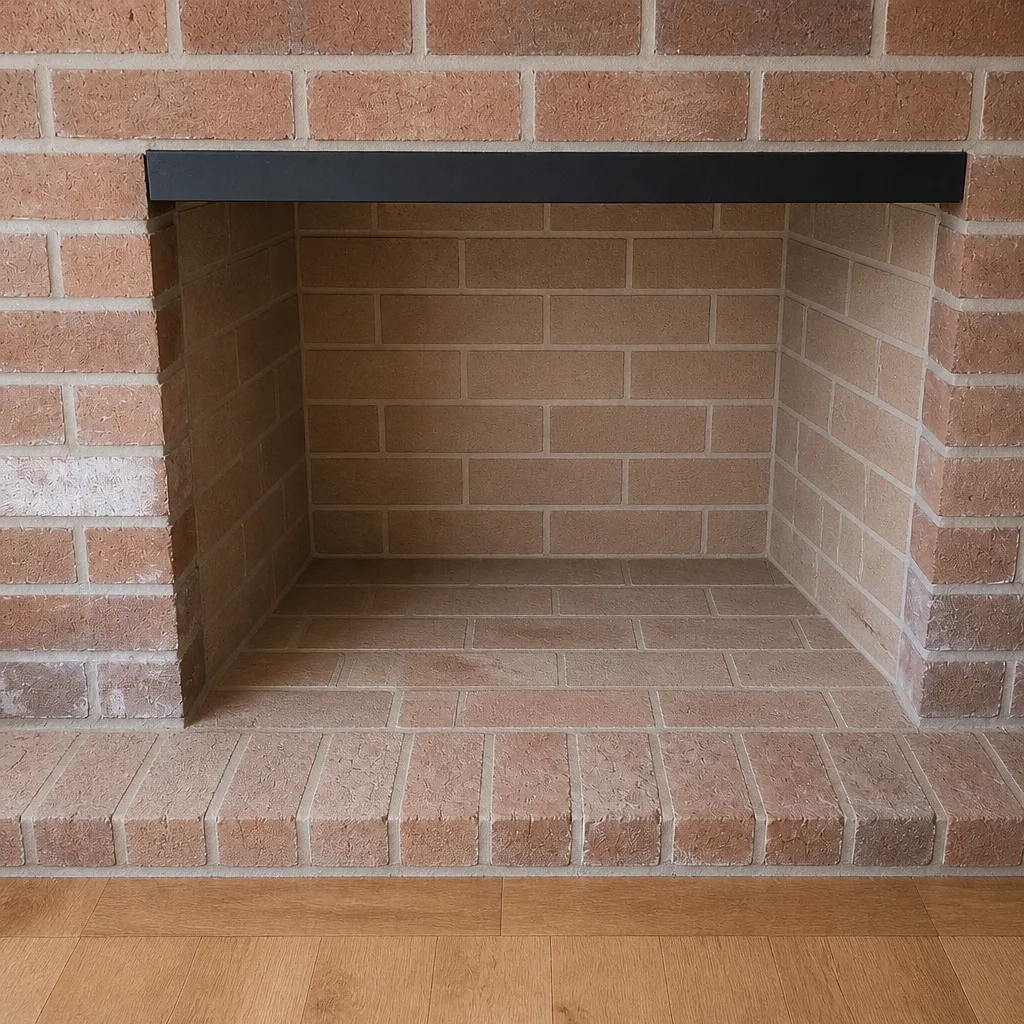
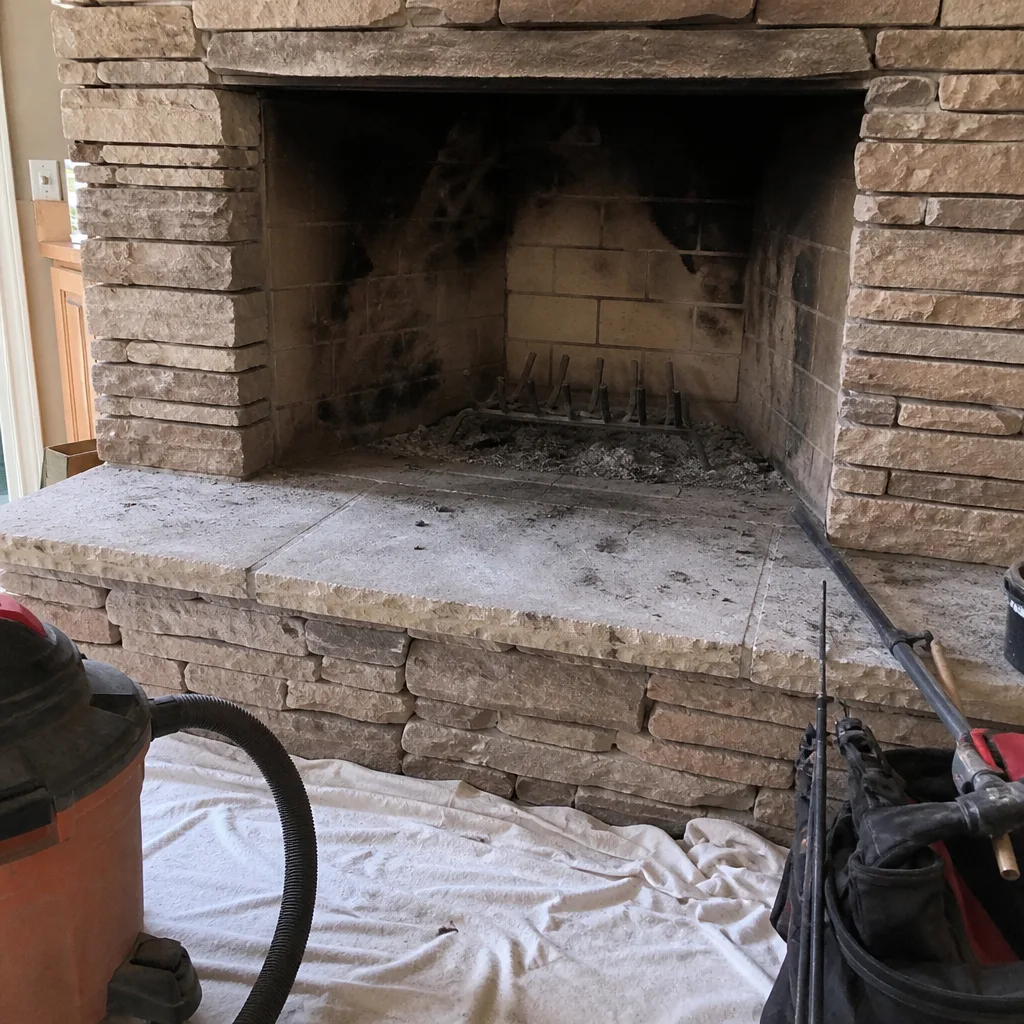
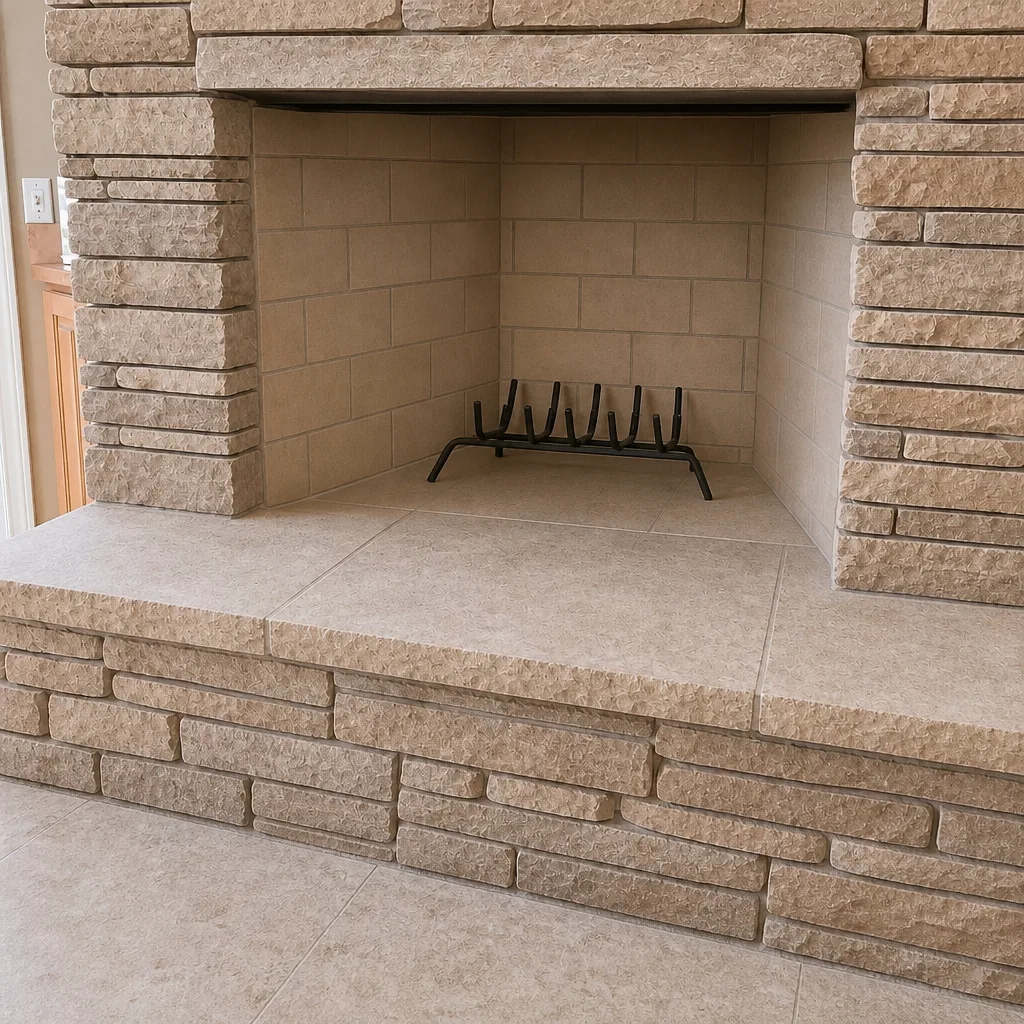
See the difference
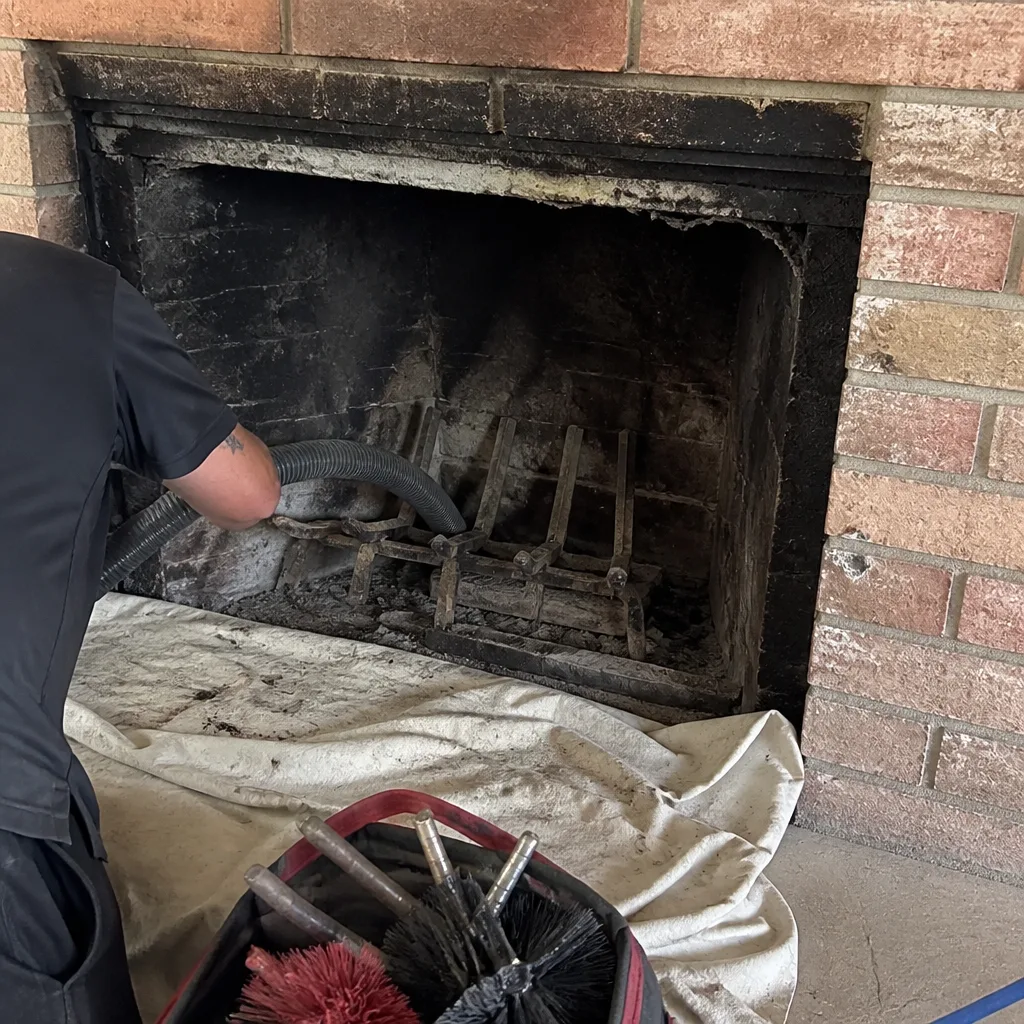 Before
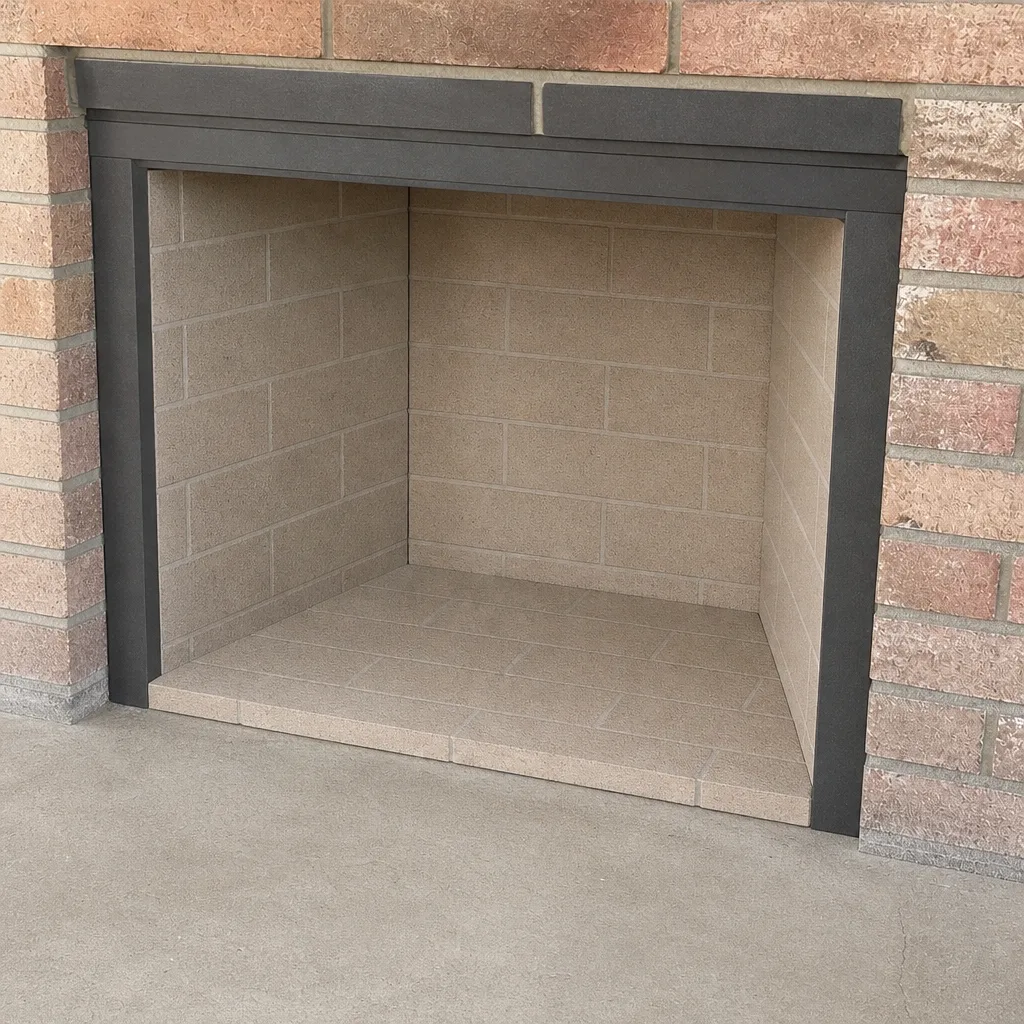 After
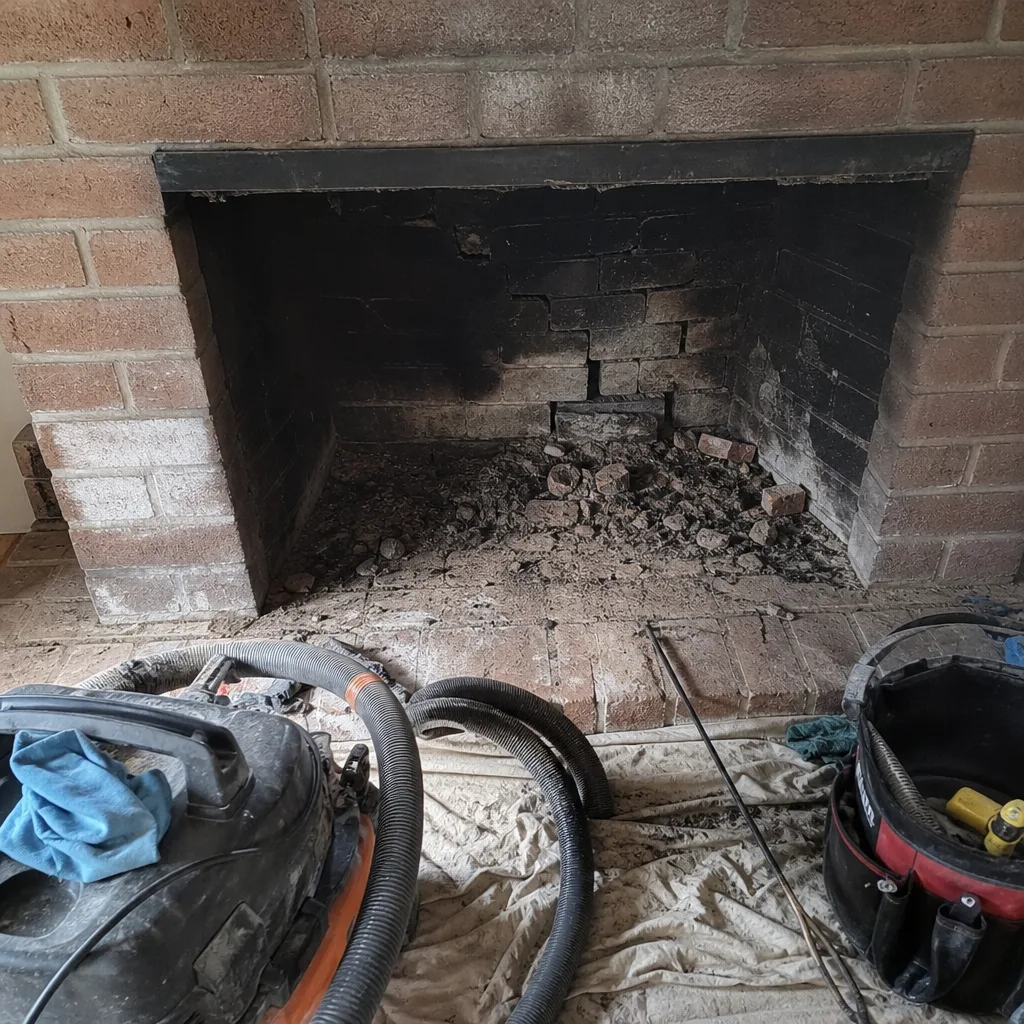 Before
 After
 Before
 After
When to Call a Professional
Call a chimney professional when you see a structural crack in the firebox, active water intrusion, a flue that’s coated in glazed creosote, a stuck damper, or chronic backdraft you can’t fix with the window test. Also call if it’s been more than a year since your last inspection, or if you’ve just moved into a Scottsdale home with a fireplace whose history you don’t know. And call before your first fire of the season if you haven’t had the chimney looked at – a small inspection now catches the creosote, moisture, or crack patterns that turn into big repairs later.
We inspect, sweep, and repair, so you’re not passing your chimney from one contractor to another. We document what we find before we recommend anything, and we can safely tell you when work can wait – not every finding needs immediate repair. Free estimates in Scottsdale: call (888) 340-2124 to book your chimney inspection.
Frequently Asked Questions
Not necessarily. If your Scottsdale home smokes into the room, the most common cause is negative air pressure from tight home sealing, not creosote buildup. Run the cracked-window test before you book a sweep: if cracking a window fixes the draft, a sweep won’t help. If the smoke persists, an inspection will find the real cause.
Annually, even if you only burn a few fires a season. Low-use desert fireplaces often build concentrated, glazed creosote because the flue stays cool and the fires burn cooler. An annual inspection tells you whether a sweep is needed, and catches cracks, cap failures, and moisture intrusion before they become repairs. Call (888) 340-2124 to schedule one.
Partly. Hairline cracks in the mortar joints that stay the same season to season are usually cosmetic. Cracks wider than 1/8 inch in the firebrick itself, cracks that run continuously through several bricks, or cracks with missing material behind them are signs of a structural problem – stop using the fireplace and get it inspected. A photograph taken now and compared next season is the safest way to judge whether a crack is growing.
Because stucco traps water behind the surface while brick wicks it to the face. Water intrusion on a stucco chimney shows as dark blotches, chalky crust, peeling paint, or rust streaks, rather than the white efflorescence you’d see on brick. Fresh, growing staining means active intrusion; faded, dry staining is usually old damage.
It depends on the flue’s condition and size, and on the crack or gap pattern we find. For smoke chamber and liner resurfacing, we work with HeatShield, the industry’s leading resurfacing system, which is applied by trained specialists. For full liner replacement or mismatched flues, a flexible stainless system like DuraFlex is often the right answer. We’ll tell you exactly which one we’re specifying and why – call (888) 340-2124.
Yes. A structural firebox crack, a deteriorating smoke chamber, a stuck damper, or a blocked flue can allow carbon monoxide to enter the room. Any one of those is a reason to stop using the fireplace and have it inspected before the next fire. If you’ve noticed headaches, dizziness, or a smoky smell when there’s no fire burning, skip the inspection queue and call us immediately: (888) 340-2124.
The Bottom Line
Most chimney problems in Scottsdale follow predictable patterns tied to how desert homes are built and how fires are actually used here. Tight home sealing makes backdraft the leading cause of a smoky fireplace, not a dirty flue. Low-use fireplaces build concentrated creosote that’s harder to remove than the lighter deposits of a high-use chimney. Thermal-shock cycles crack fireboxes in ways you can learn to read from the firebox itself. And stucco hides water intrusion until it’s expensive. Diagnosis first, then repair – and a free inspection is where that starts. Scottsdale Chimney Sweep provides chimney sweep, inspection, and repair services across Scottsdale, and we document what we find before we recommend anything. Call (888) 340-2124 for a free estimate.
Written by the team at Scottsdale Chimney Sweep.