
Last updated November 15, 2026
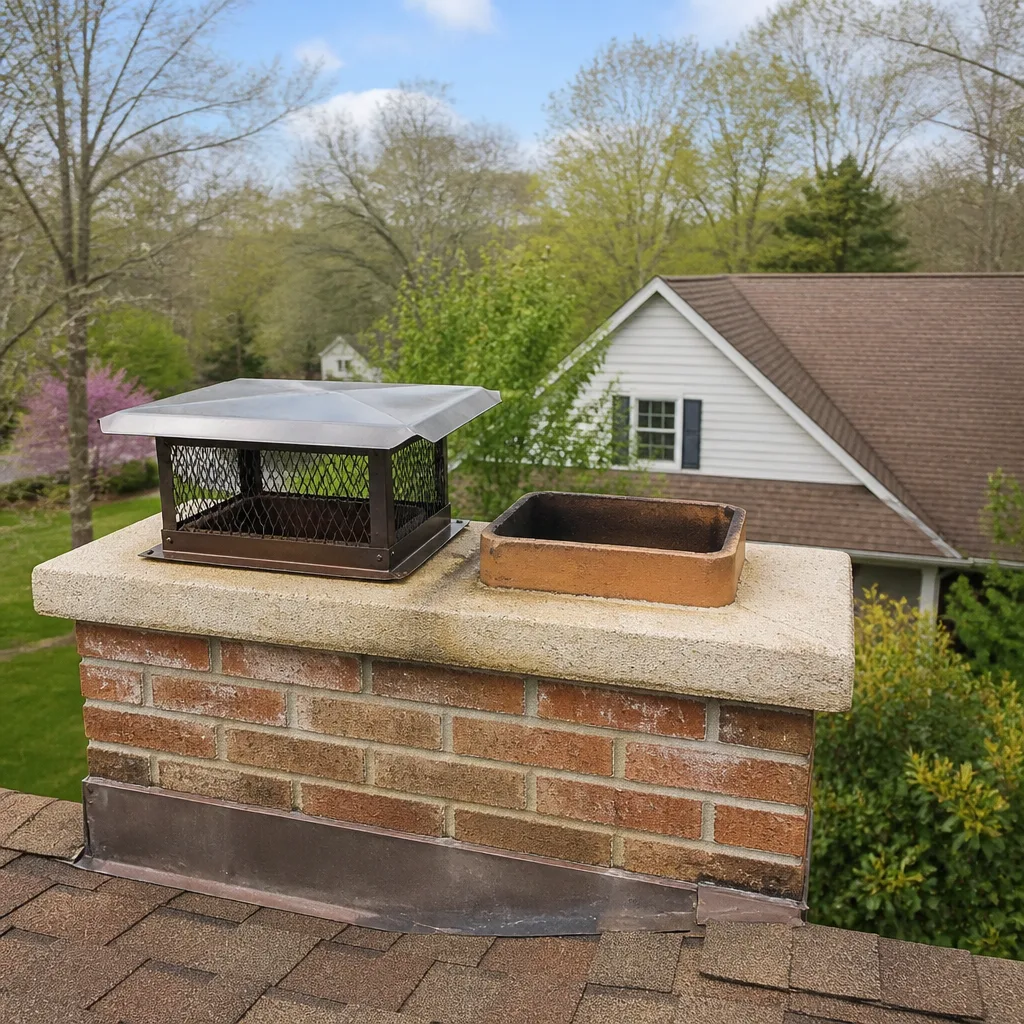 Sweep & inspection
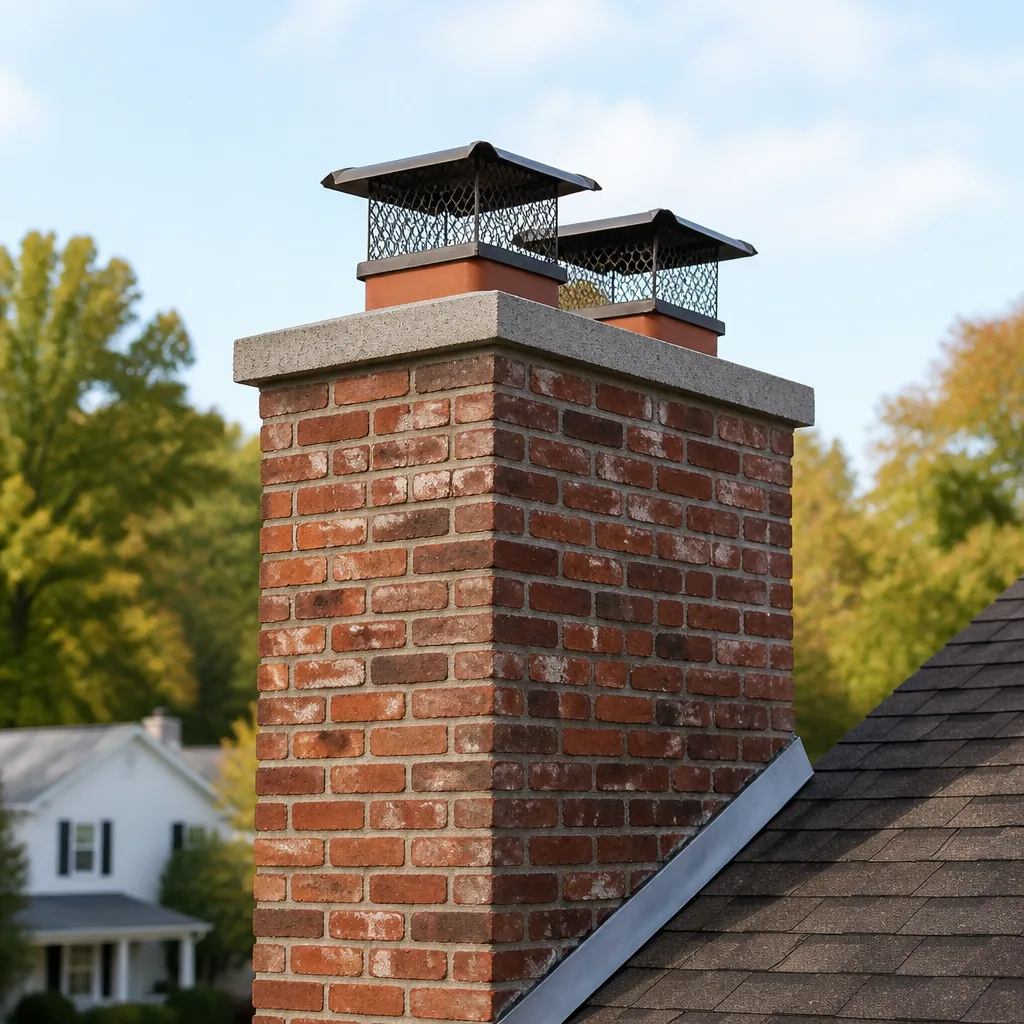 Caps & crowns
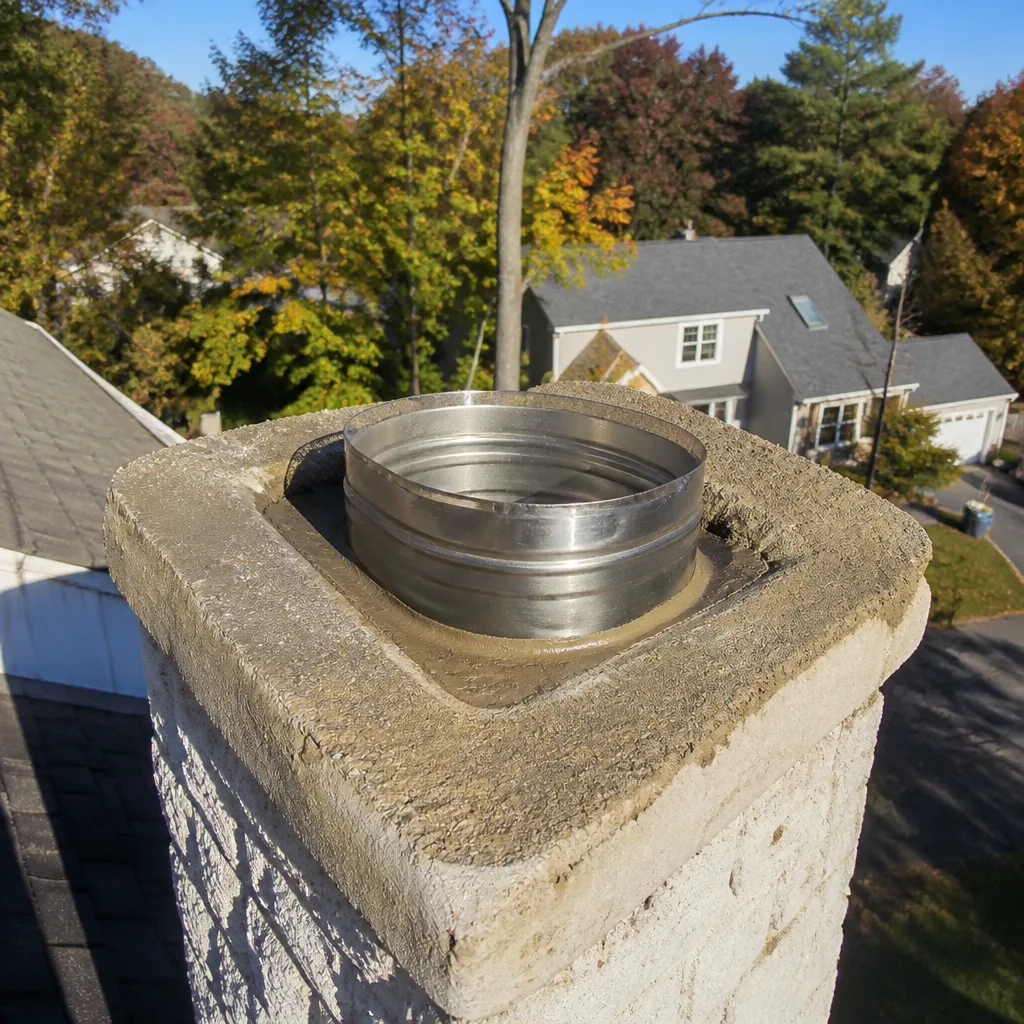 Flue relining
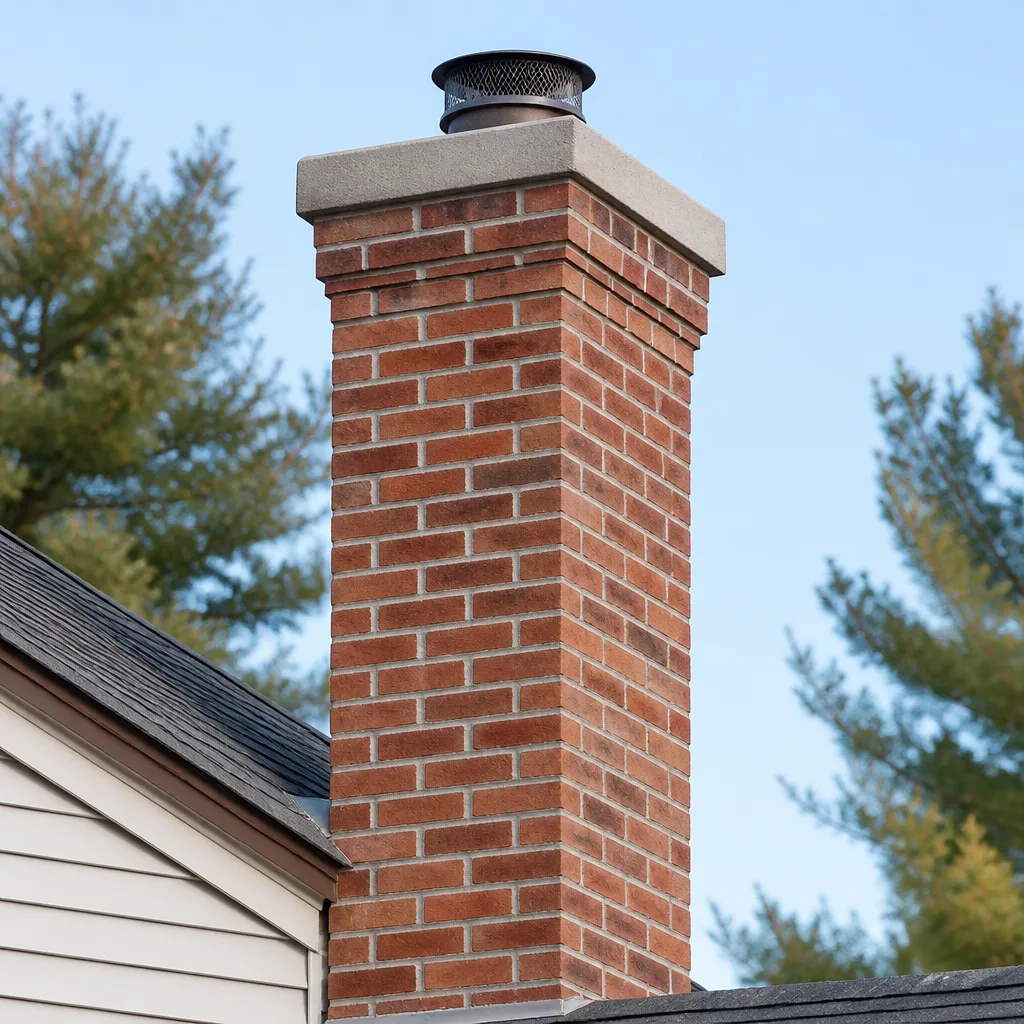 Masonry repair
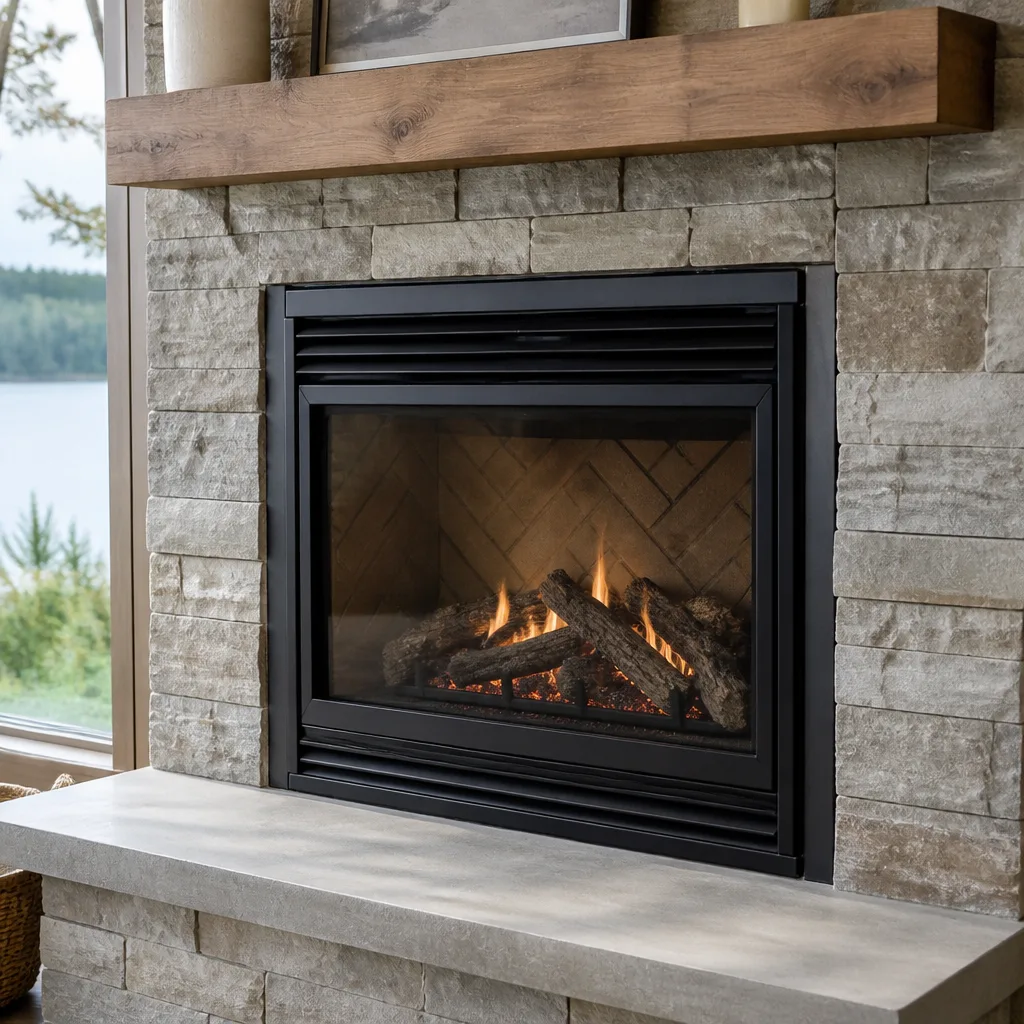 Gas fireplace service
Level 1 sweep and inspection to the NFPA 211 annual standard - flue, crown, cap, and flashing checked and photographed
Chimney sweep logs do not sweep chimneys. They loosen some creosote - which then falls where a brush and vacuum still have to collect it.
DIY vs Professional Chimney Cleaning: The Scottsdale Homeowner’s Decision Guide
Most people who ask about DIY chimney cleaning are picturing the wrong chimney. The brush kit on the hardware store shelf is engineered for one thing: an open masonry flue with a straight run and a light, flaky layer of stage 1 creosote. Plenty of Scottsdale homes don’t have that. They have a factory-built system tucked into a framed chase, a flue with an offset, or a liner that’s been relined once already. Push a poly brush through one of those and you’re not cleaning the flue, you’re scraping it blind. This guide breaks down where DIY genuinely works, where it quietly fails, and how to decide which camp your chimney falls into. Our technicians have up to experience and we’ve seen both outcomes.
Quick Answer
DIY chimney cleaning is a reasonable choice only if you have an open masonry flue with a straight vertical run, you burn a few cords a year at most, and a professional inspection is already on record. For factory-built fireplaces, offset flues, any liner other than sound masonry tile, or any chimney that hasn’t been inspected, a professional chimney sweep is the accurate choice. The equipment cost for a do-it-right DIY job often lands close to the price of one professional cleaning, and it still leaves the smoke chamber and liner uninspected.
Styles & brands we work with
- Sweep & inspection
- Caps & crowns
- Flue relining
- Masonry repair
- Gas fireplace service
Table of Contents
- Which Scottsdale Chimney Types Make DIY Realistic?
- What Equipment Does a Legitimate DIY Cleaning Require?
- What You Can’t See Without a Camera
- How DIY Cleaning Affects Your Insurance Position
- A Decision Framework for Scottsdale Homeowners
- What a Professional Cleaning Actually Involves
- Understanding Creosote Stages in a Desert Climate
- Common Mistakes to Avoid
- When to Call a Professional
Which Scottsdale Chimney Types Make DIY Realistic?
Chimney type is the single biggest factor in whether DIY is viable. It’s not about confidence or roof comfort – it’s about whether a brush can physically reach the surfaces that need cleaning without damaging what’s around them.
Open masonry fireplaces with a straight flue are the classic DIY candidate. These are the traditional brick-and-mortar builds found in older Scottsdale neighborhoods like Arcadia and the historic districts near Old Town. The flue is usually lined with square clay tiles, the run is vertical with minimal bends, and a properly sized poly brush on flexible rods can work the full length. If your fireplace looks like a brick box with a damper you can reach, you’re probably in this category.
Factory-built (prefabricated) fireplaces are the ones to be careful with. These systems use a thin stainless or galvanized liner inside a metal firebox, often set into a framed chase on an exterior wall. The liners have specific clearances and specific brush requirements, and many have offsets or elbows that a rigid brush won’t negotiate. In Scottsdale subdivisions built from the 1980s forward, factory-built units are extremely common. Brushing one wrong can score the liner or dislodge a joint.
Masonry fireplaces with an offset flue (where the flue angles back or sideways before going vertical) are the worst DIY case. A brush on straight rods hits the offset and stops. You either can’t reach past it or you force the brush around a corner, which is exactly where damage happens.
Chimneys with an existing stainless liner – whether a DuraFlex flexible liner or an older reline – require a brush matched to the liner’s internal diameter and a gentler touch. If the liner was installed by a previous owner and you don’t have documentation, you don’t know what you’re brushing against.
If you’re not sure which type you have, that uncertainty is itself the answer. Ask us which liner or cap we’re using and why – we’ll tell you exactly, and we can tell you what your chimney actually is before you decide anything.
What Equipment Does a Legitimate DIY Cleaning Require?
The $40 brush kit is not a cleaning kit. It’s a starter. A DIY cleaning that actually does the job requires a specific set of tools, and the total cost is the part most homeowners don’t price out before starting.
- Rods. Flexible poly or nylon rods, not the fiberglass sections sold for light use. You need enough length to reach the top of the flue plus a few feet of working margin. Sold in sections; you’ll want at least 20 to 25 feet for a typical single-story flue.
- Brushes sized to your flue’s actual dimensions. This is where most DIY jobs go wrong. A brush that’s too small doesn’t contact the walls; one that’s too large binds and can crack tile. You need the internal flue dimension measured, not estimated.
- A HEPA vacuum or a shop vacuum rated for fine ash. Standard shop vacs blow fine creosote dust back into the room. A HEPA-rated unit with a fine-particulate filter is the minimum.
- Drop cloths and plastic sheeting. Sealing the firebox opening is part of the job. Loose dust escapes and settles on everything in the room.
- A strong inspection light. A flashlight isn’t enough. You need a light bright enough to actually see the flue walls above the smoke shelf.
- Respiratory protection and eye protection. Creosote dust is a known irritant. Safety glasses and a proper respirator are not optional.
Add up a rod set, correctly sized brushes, a HEPA-rated vacuum, and the sheeting and PPE, and you’re typically spending an amount in the same neighborhood as one professional cleaning. Sometimes more. And you’re doing it once – the equipment doesn’t get cheaper the second time, but the flue does get dirtier. That math matters when you’re deciding whether the DIY route makes sense as a habit or just as a one-time experiment.
One safety note before anything else: if your chimney has a fireplace with high-tension springs, cables, or a damper assembly you don’t understand, do not attempt to disassemble it. Those components are under load and can cause serious injury. A trained professional should handle anything with tensioned parts or gas connections.
What You Can’t See Without a Camera
This is the core of the DIY-versus-professional question, and it’s the part a brush kit can’t answer. Cleaning removes what’s on the surface. It doesn’t tell you what condition the surfaces are in.
Three areas matter most, and none of them are visible from the firebox with a flashlight:
- The smoke chamber. This is the sloped area directly above the damper, before the flue proper. It’s a common collection point for creosote and a common failure point for cracks in the masonry. You can’t see it from below and you can’t reach it with a flue brush from above. It requires a camera and, in most cases, a specific tool set to clean properly.
- The tile liner condition. Clay tile liners crack. When they do, heat and combustion gases can reach the wood framing and insulation around the chimney. A hairline crack you can’t see by eye may be visible on camera. This is one of the most common repair findings in Scottsdale homes built before the mid-1990s.
- The flue from above. Looking down from the rooftop gives you a different view than looking up from the firebox. The crown, the top of the flue, the cap, and the upper liner joints all need eyes on them. On a flat or low-slope roofline common in some Scottsdale construction, the view from above is fine – but on a steep roof, height safety is a real concern and best left to someone with proper fall protection.
These three areas are where most chimney problems actually live. A brush won’t find them. A flashlight won’t either. A camera inspection, documented with photos you can look at yourself, will. We document what we find before we recommend anything – and if the chimney is fine, we say so.
This is also why we treat the chimney as one system rather than one cleaning task. Sweeping, inspecting, and chimney repair are parts of the same job, and the repair side includes HeatShield resurfacing for damaged liners – a product only trained applicators are qualified to install – and DuraFlex flexible liner systems for flues that need to be replaced rather than patched.
How DIY Cleaning Affects Your Insurance Position
Most homeowners don’t think about this until they have to. If a chimney fire happens and your insurer’s adjuster asks for documentation, a receipt from a hardware store and a memory of brushing the flue is not the same thing as a professional inspection report on file.
Insurance companies vary wildly in what they require and what they ask for after a loss. Some don’t require a documented inspection at all. Others specifically ask for proof of maintenance when a chimney fire is involved. The practical point is this: a professional inspection creates a record. It says, on a specific date, that a trained person looked at your flue, documented its condition, and in most cases left you with photos. That record is your best protection if there’s ever a question about whether the chimney was maintained.
A DIY cleaning doesn’t create that record. It might be perfectly done. But if something goes wrong, the burden of proof about whether the chimney was properly maintained tends to fall on the homeowner, and a memory of a Saturday afternoon with a borrowed brush doesn’t carry the same weight.
There’s a related point about discovering problems. A professional inspection catches a cracked tile or a damaged crown before it becomes a fire risk. A DIY cleaning catches what the brush touches. In our experience, the damage that actually causes chimney fires tends to live in the spaces the brush doesn’t reach.
A Decision Framework for Scottsdale Homeowners
Here’s a practical way to sort yourself into one group or the other. Answer four questions honestly. The answers point in a clear direction.
- What type of chimney do you have? Open masonry with a straight flue: DIY is potentially viable. Factory-built, offset flue, or an existing stainless liner: professional.
- How much do you burn? A few fires a season, mostly decorative: a professional cleaning every couple of years matches the usage. Regular weekend fires through the cooler months (Scottsdale’s winter evenings are exactly when fireplaces get used): annual cleaning and inspection is the right cadence. Burning continuously for heat is a different category and demands annual service.
- When was the last professional inspection? If you genuinely know the answer and it’s within the last year or two, and nothing has changed, you could reasonably extend the DIY conversation. If you don’t know or it’s been more than a few years, a professional inspection is the place to start, regardless of the cleaning decision.
- Is there any known damage, crack, or repair history you’re not sure about? If the answer is yes or maybe, a professional inspection comes first. Cleaning a damaged flue can make it worse.
Run those four questions and most homeowners land in one of two groups: those with open masonry systems burning lightly who could handle a basic sweep themselves, and everyone else. In our experience, the second group is much larger than the first, especially in Scottsdale’s newer housing stock where factory-built fireplaces are the norm. For that second group, the Scottsdale Chimney Sweep approach – inspect first, document, then recommend – is the starting point rather than an upsell.
If you’re in the first group, there’s nothing wrong with doing the work yourself. Just be honest that you’re doing the cleaning and skipping the inspection, and plan to have a professional look at the system on a defined schedule.
What a Professional Cleaning Actually Involves
Knowing what the professional side looks like helps you compare fairly. A professional sweep isn’t just a bigger brush. It’s a sequence designed to clean thoroughly and find what needs finding.
- Preparation. The firebox is sealed, drop cloths go down, and the work area is protected. Nothing in the room should end up with a film of ash on it.
- The sweep. The flue is brushed with correctly sized tools from above or below, depending on the system, using a HEPA vacuum running the entire time to capture dust at the source.
- The smoke chamber. Cleaned and inspected. This is the step DIY almost always skips and it’s where a lot of creosote hides.
- Camera inspection. The flue liner, the smoke chamber, the crown, the cap, and the firebox are inspected and photographed. Photos are shared with the homeowner – not summarized, shown.
- Documentation and recommendation. Anything found is written down with a recommendation, and anything that can safely wait is clearly labeled as something that can wait. Nothing gets recommended that isn’t evidenced in the photos.
That last point matters more than anything else on this page. The most common hesitation we hear is the fear of being told thousands of dollars of liner or masonry work is needed, with no way to verify it. The answer is simple: you see the camera photos for yourself, and we tell you plainly when a repair can safely wait. If we can’t show it on camera, we don’t recommend it.
Our technicians work with the same professional-grade product lines top chimney contractors specify, including HeatShield for liner resurfacing and DuraFlex flexible liner systems for replacement. When we recommend a repair, we can tell you exactly which product we’re using and why – and if a different material from the same professional toolbox fits better, we’ll say that too.
Understanding Creosote Stages in a Desert Climate
Creosote buildup is often described in terms of cold-climate chimneys, which is a misleading frame for Scottsdale. Our winters are mild and fireplaces here are more often used for ambience than for serious heating. But creosote forms on the inside of the flue regardless, and the rate depends on how the fire is burned more than on outdoor temperature.
- Stage 1 creosote is flaky, light, and soot-like. It brushes off easily. This is the layer a poly brush kit was designed for.
- Stage 2 creosote is harder, tar-like, and clings to the flue walls. A standard brush removes some of it but won’t get it down to bare surface without serious effort. Stage 2 buildup is one of the reasons a professional sweep is worthwhile even on a chimney that isn’t visually alarming.
- Stage 3 creosote is a glazed, hardened layer that has essentially fused to the liner. A brush won’t remove it. It’s a fire risk and often requires chemical treatment or liner replacement.
Smoldering, low-oxygen fires produce more creosote than hot, well-ventilated ones. If you’ve been closing the damper down to stretch a fire through a cool evening, your buildup rate is higher than someone burning the same amount of wood at higher heat. This is where a professional inspection adds real value: the technician can see what stage the buildup has reached and tell you whether the next cleaning is enough or whether something more serious is happening.
Common Mistakes to Avoid
- Using a brush that doesn’t match your flue dimension. A brush sized wrong either misses the walls or binds and cracks tile. Measure the flue before buying anything, and if you can’t measure it confidently, that’s the sign to call.
- Skipping the smoke chamber entirely. The brush passes through the flue and out the top; the smoke chamber sits below it, and it’s one of the highest-risk areas for concealed creosote. A DIY cleaning that ignores it leaves the most dangerous part untouched.
- Cleaning a chimney that hasn’t been inspected. Brushing a flue with a cracked tile or a loose joint can dislodge material and make a small repair into a bigger one. Inspection before cleaning, always.
- Vacuuming with a standard shop vac. Fine creosote dust will pass through the filter and settle everywhere in the room. A HEPA-rated vacuum is the only safe alternative.
- Assuming a factory-built fireplace cleans like masonry. Factory-built liners have specific brush requirements and clearances. The same brush that’s fine in a brick flue can score a metal liner. Know which system you have before you touch it.
- Puttering around on a steep Scottsdale roof without fall protection. Roof access is the part of DIY cleaning that causes the most injuries by far. Height safety is not optional, and the view from the top is not worth a fall.
- Forgetting to document the cleaning. If you do DIY, write down the date, what you cleaned, and what you saw. That record is your only defense if a maintenance question ever comes up.
When to Call a Professional
Some situations make the decision for you. Call a professional if your chimney is factory-built, if the flue has any offset or bend, if you’re not sure what type it is, if you’ve never had a professional inspection on record, if you’ve noticed smoke spilling into the room, if you smell a strong creosote odor, or if the last cleaning left stubborn dark deposits a brush won’t touch. Call a professional before you burn again if you’ve had any known chimney fire, even a small one. And call if the roof is steep or high enough that getting up there safely is in question.
Scottsdale Chimney Sweep offers free estimates in Scottsdale – call (888) 340-2124. We answer 24/7. Fast dispatch from 7am to 7pm, Sunday through Friday. Our technicians have up to experience, and everything we recommend is backed by camera evidence you can see yourself. Whether DIY cleaning makes sense for your chimney or not, that inspection is the starting point for an informed decision.
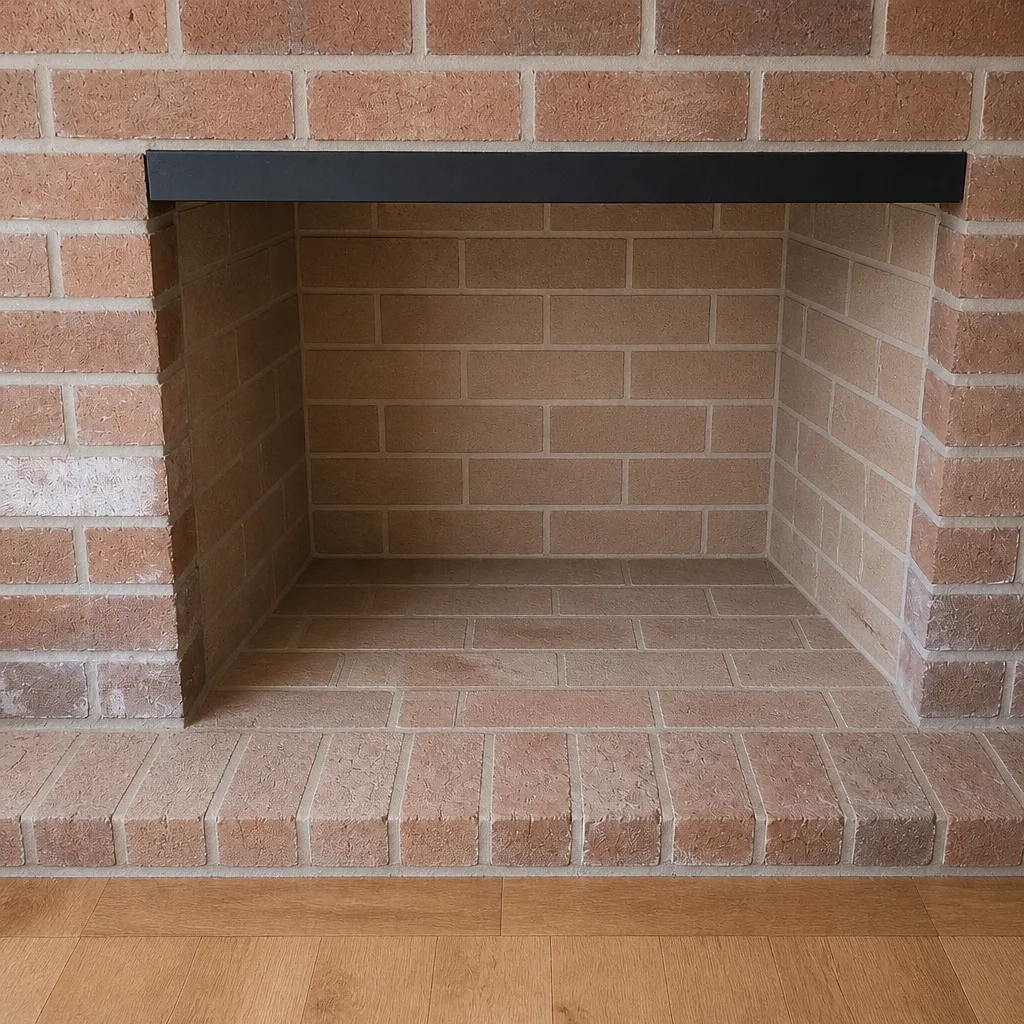
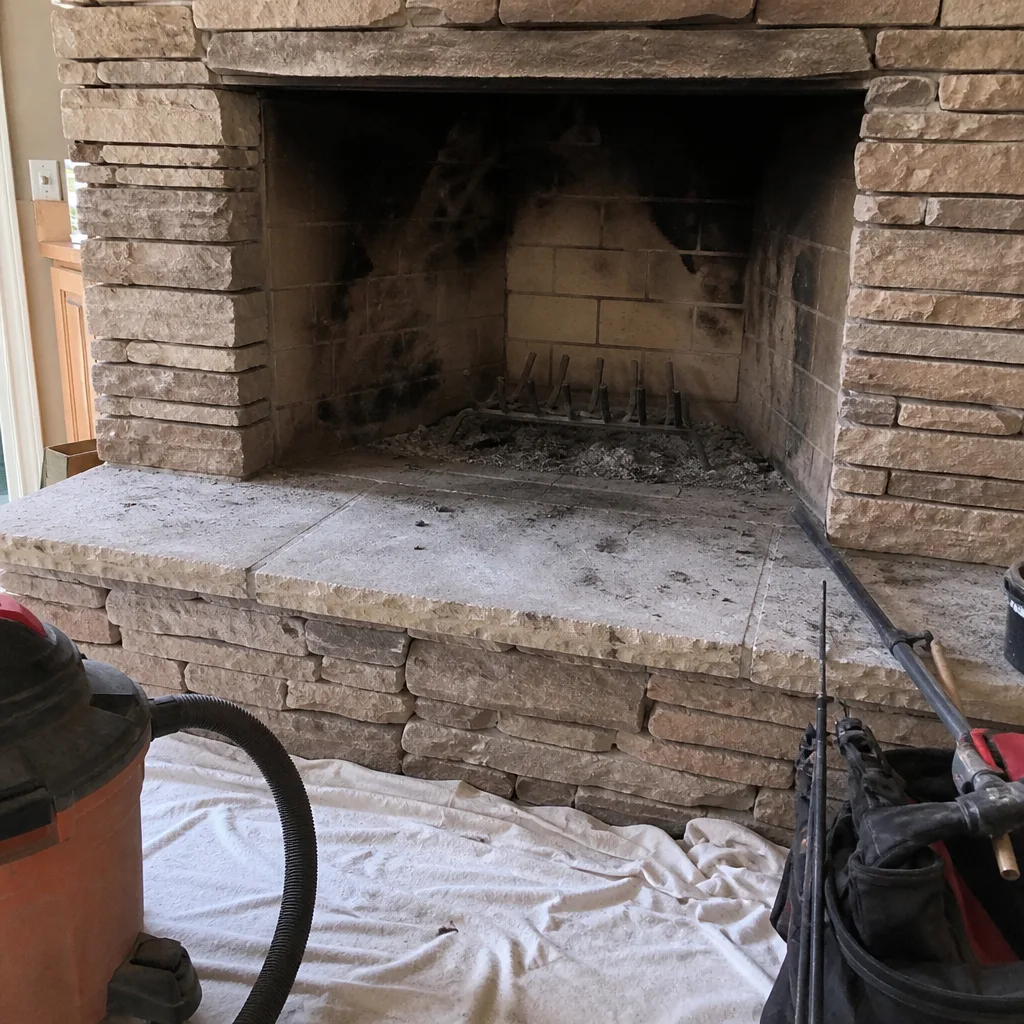
See the difference
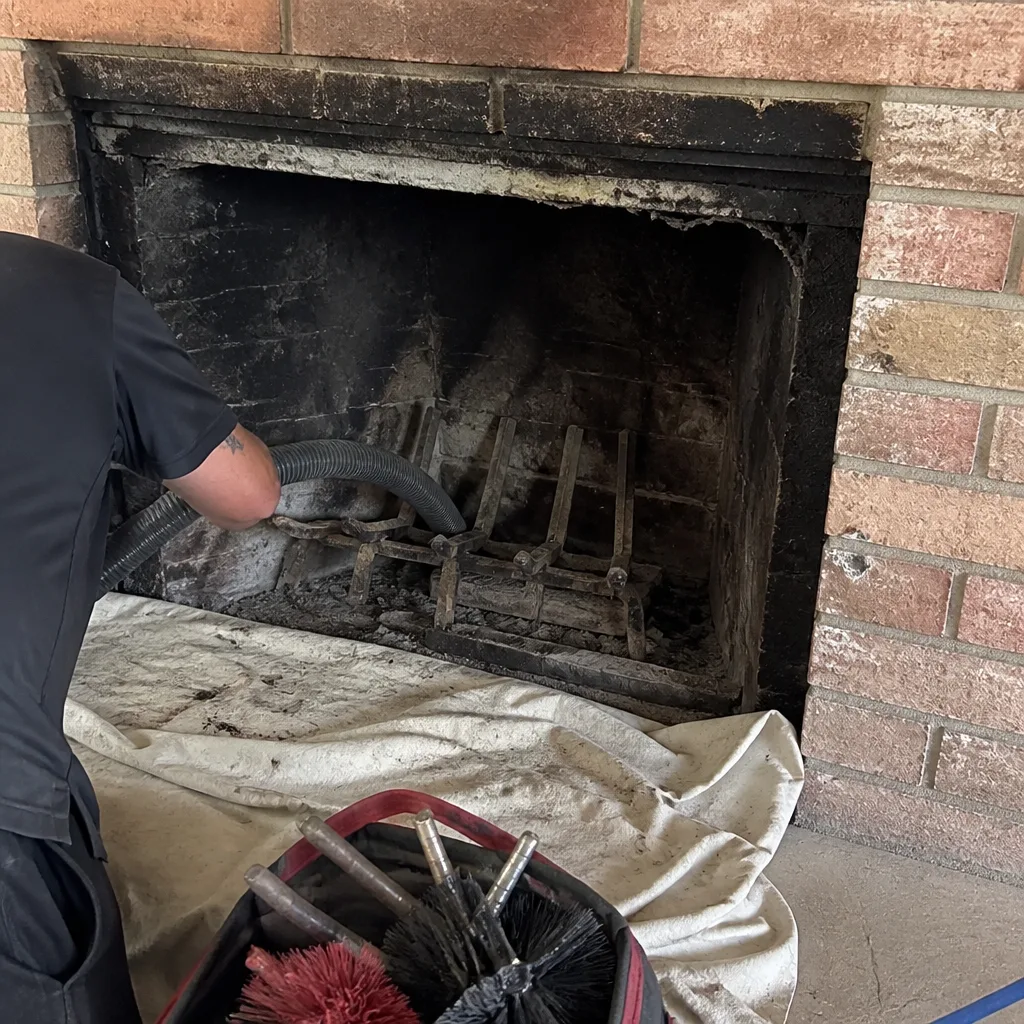 Before
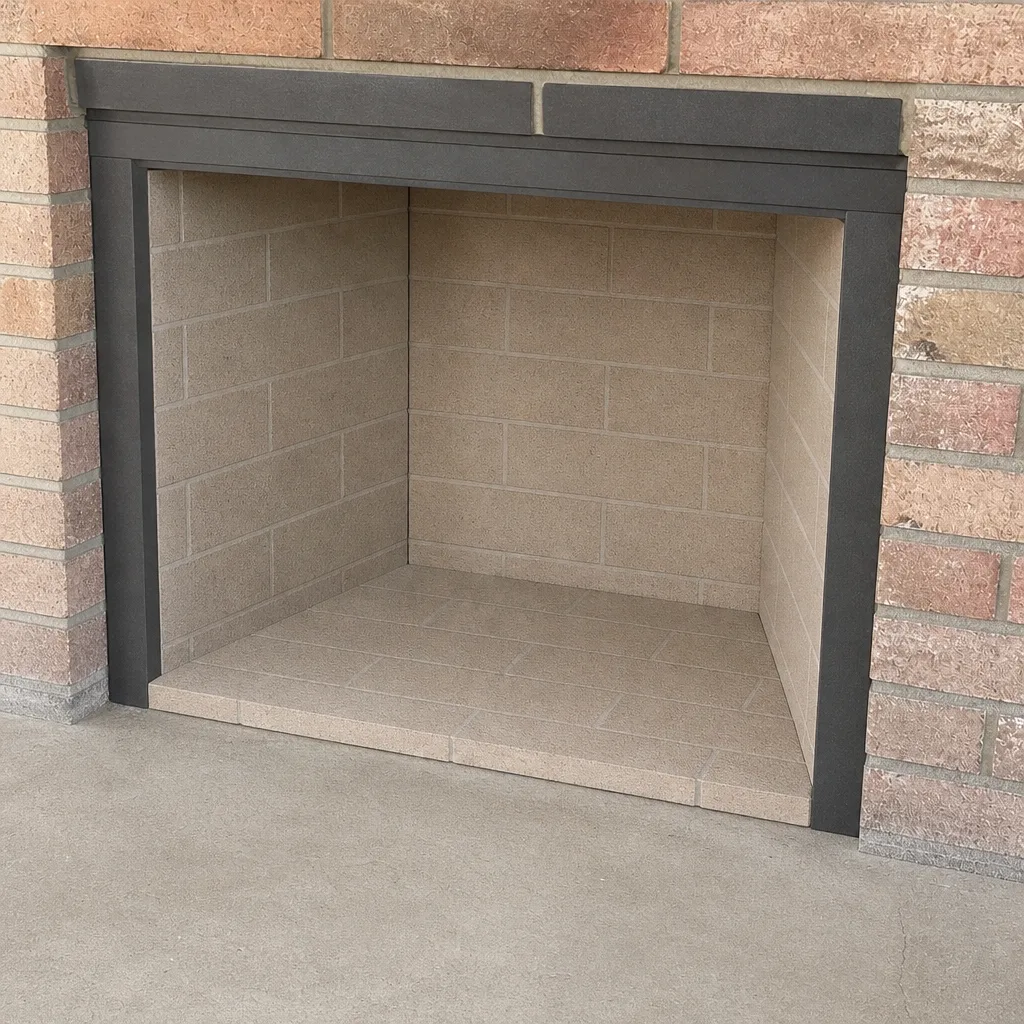 After
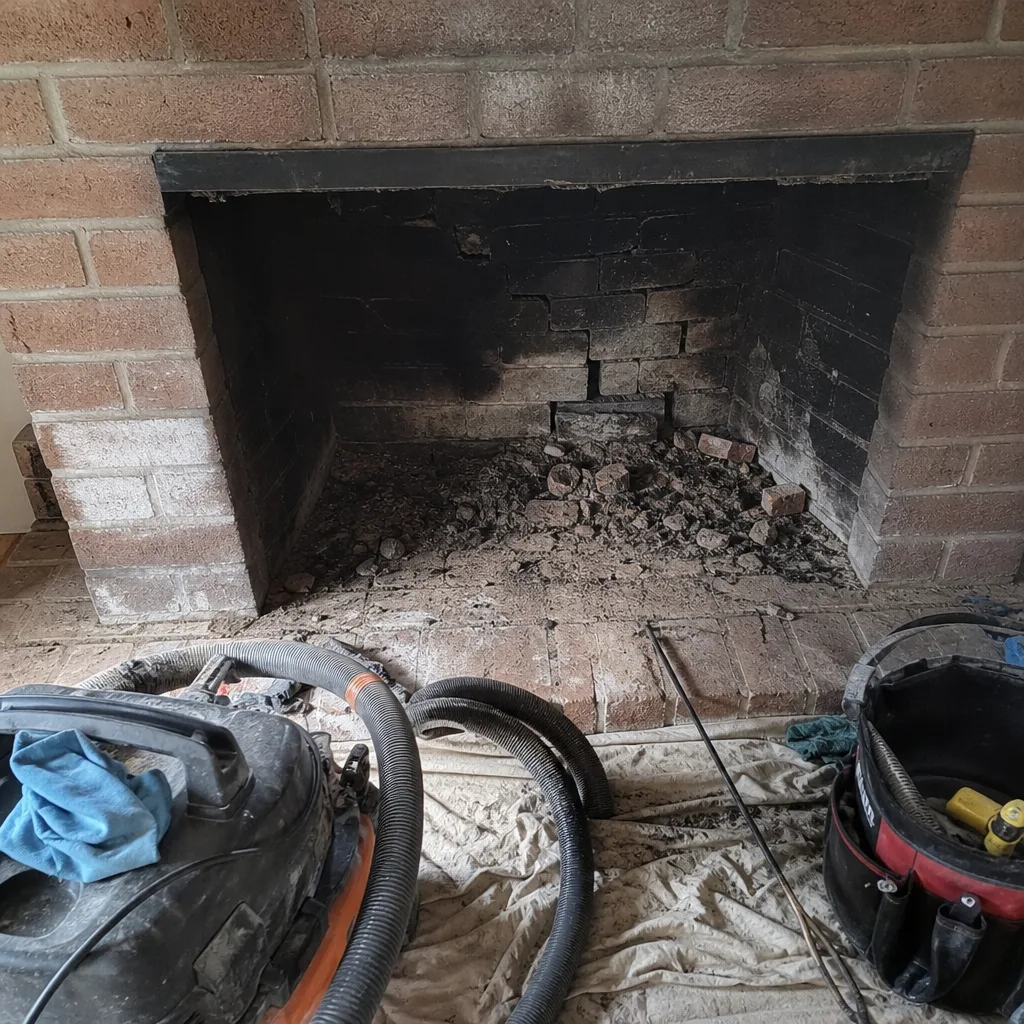 Before
 After
 Before
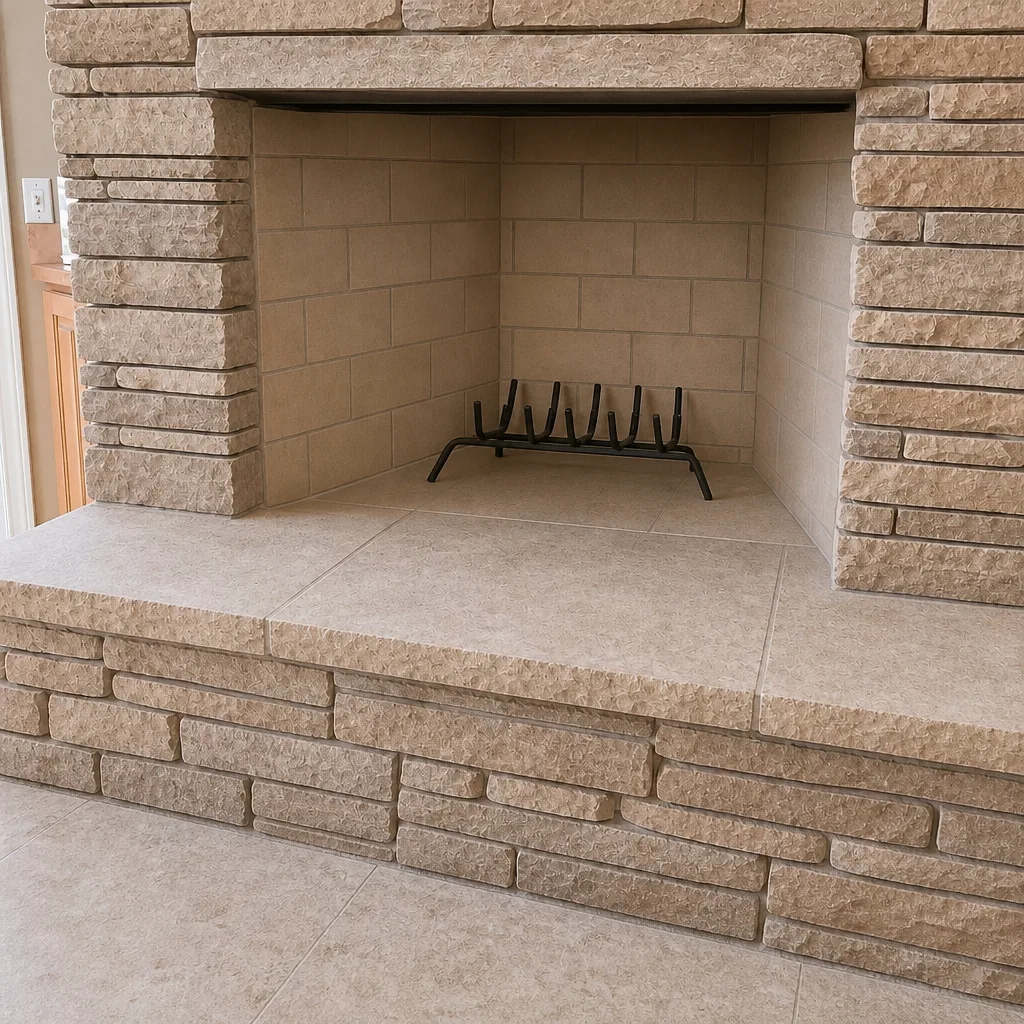 After
Frequently Asked Questions
A professional chimney sweep in Scottsdale is priced per job by a written estimate, so the number depends on your chimney type, how much buildup there is, and whether repair work is needed. The estimate itself is free, and the written estimate sets the final price – no surprises after the fact. Call (888) 340-2124 to get an exact quote.
Only if the camera shows a genuine problem – a cracked or deteriorated liner, a joint that’s failed, or damage that’s allowing heat or gases to reach framing. If the liner is sound, we should be able to show you that and say plainly that no liner work is needed. Nothing is recommended without camera evidence you can see for yourself, and when a repair can safely wait, we’ll tell you so.
Annual cleaning and inspection is the standard for a chimney that gets regular use through the cooler months – which is the typical pattern for fireplaces in Scottsdale. A decorative fireplace used only a few times a season can go longer between cleanings, but the inspection interval is worth keeping annual regardless, because the problems that matter often develop between cleanings.
Creosote builds up in stages, and the later stages are the fire risk. A chimney fire can spread beyond the flue, and the damage that causes chimney fires tends to happen in sections a brush doesn’t reach. Skipping an inspection also means skipped maintenance: a small crack or damaged crown that would have been simple to repair gets worse the longer it’s left. Call (888) 340-2124 for a free estimate if you haven’t had your chimney looked at recently.
It’s not recommended. Factory-built systems use a metal liner that requires specific brush sizing and carries specific clearances, and many have bends the brush can’t safely negotiate. Brushing wrong can score the liner or damage a joint. If you have a factory-built fireplace, that’s the clearest case for a professional chimney sweep in Scottsdale.
A DIY cleaning doesn’t create a maintenance record, which can matter if a chimney fire happens and the insurer asks for proof the chimney was maintained. A professional inspection leaves a documented report with photos and a date. Policies vary, so it’s worth checking yours – but in general, a documented inspection is your strongest position.
If you’re in Scottsdale and you’re not sure what your chimney needs, the answer starts with a look inside the flue. Call (888) 340-2124 for a free estimate. We answer 24/7. Fast dispatch from 7am to 7pm, Sunday through Friday. Scottsdale homeowners get a documented inspection with photos, a written sweep estimate agreed before booking, and a straight answer about what actually needs doing and what can wait.
The Bottom Line
DIY chimney cleaning is a real option for a narrow slice of Scottsdale homeowners: open masonry flues, straight runs, light use, a recent professional inspection already on record. For everyone else – factory-built fireplaces, offset flues, existing liners, or any chimney without an inspection history – a professional sweep and inspection is the accurate choice. The equipment cost of a real DIY kit lands near the price of one cleaning and still leaves the smoke chamber and liner uninspected. Sweep, inspect, repair – handled by one crew, start to finish. If you’re unsure which group you’re in, that’s the decision made. Call (888) 340-2124 for a free estimate.
Written by the team at Scottsdale Chimney Sweep.