
Last updated November 15, 2026
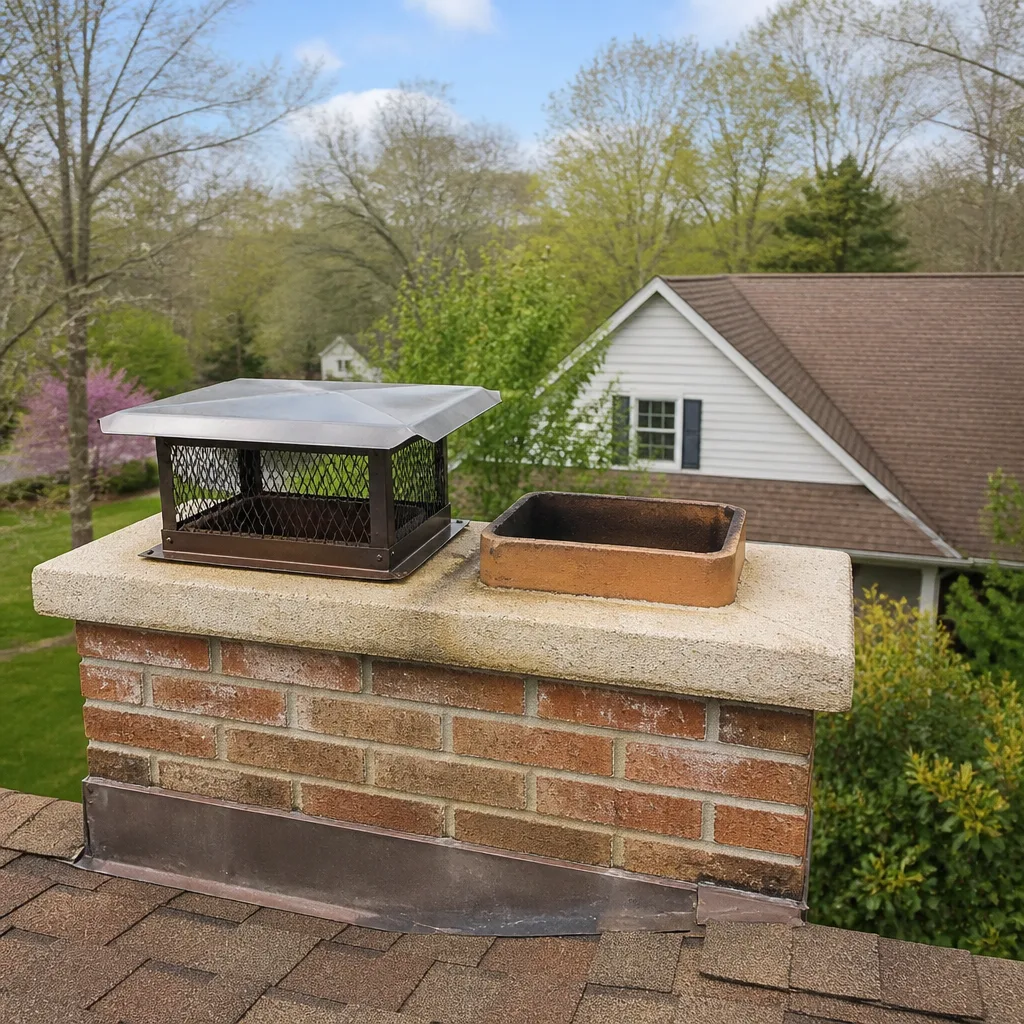 Sweep & inspection
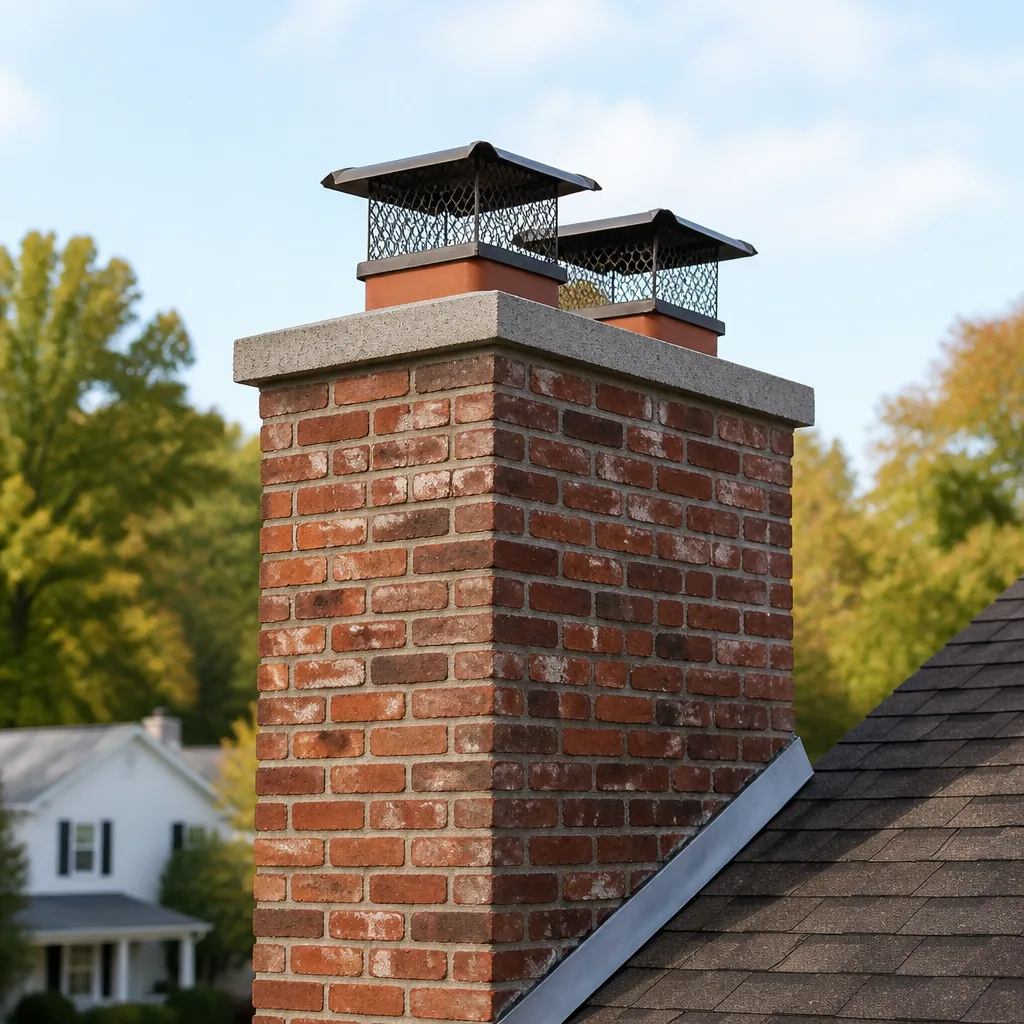 Caps & crowns
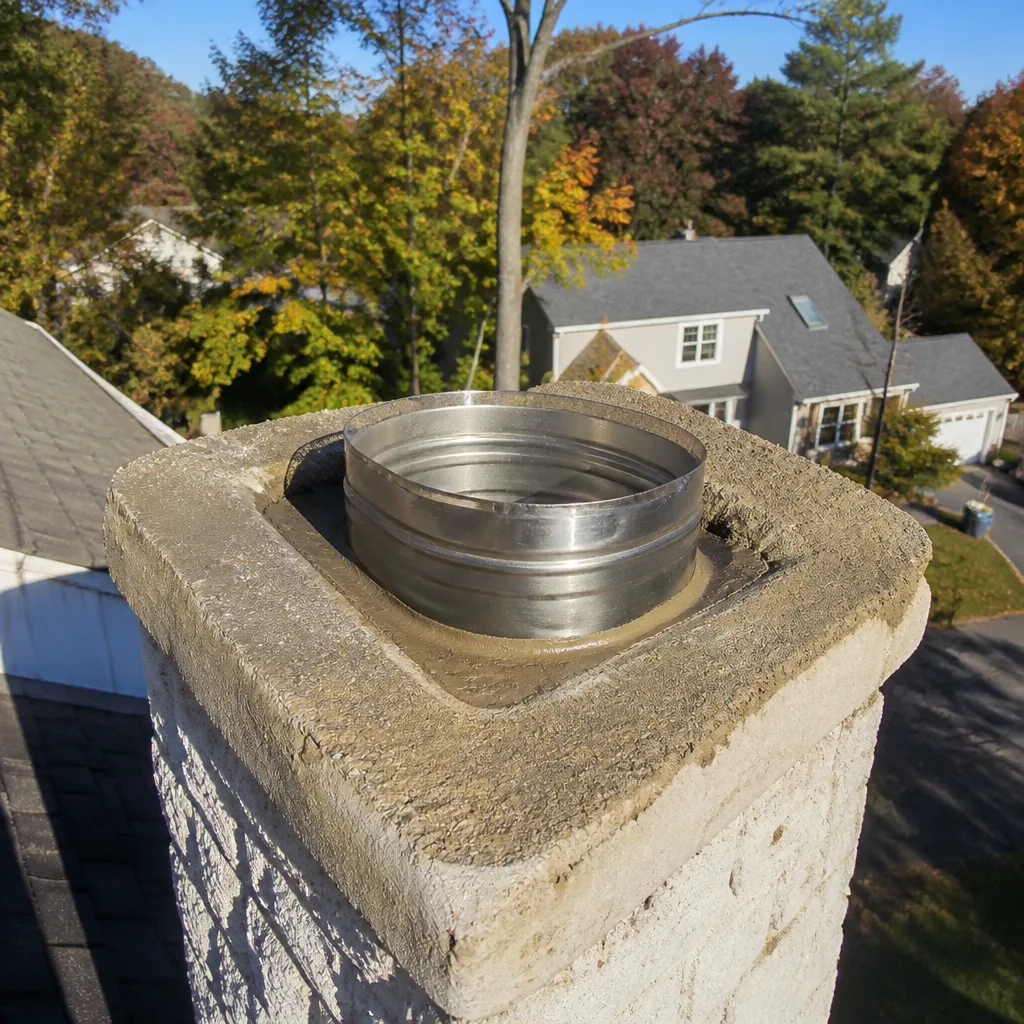 Flue relining
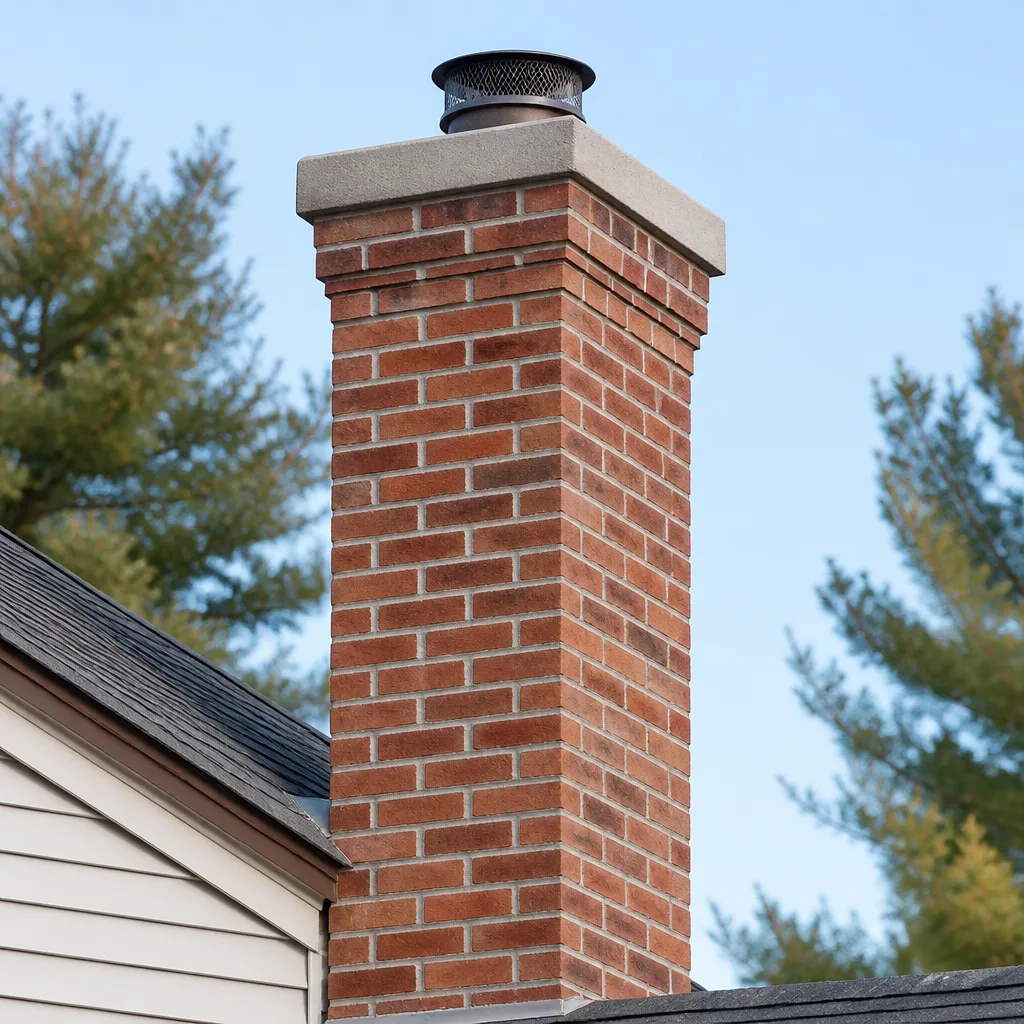 Masonry repair
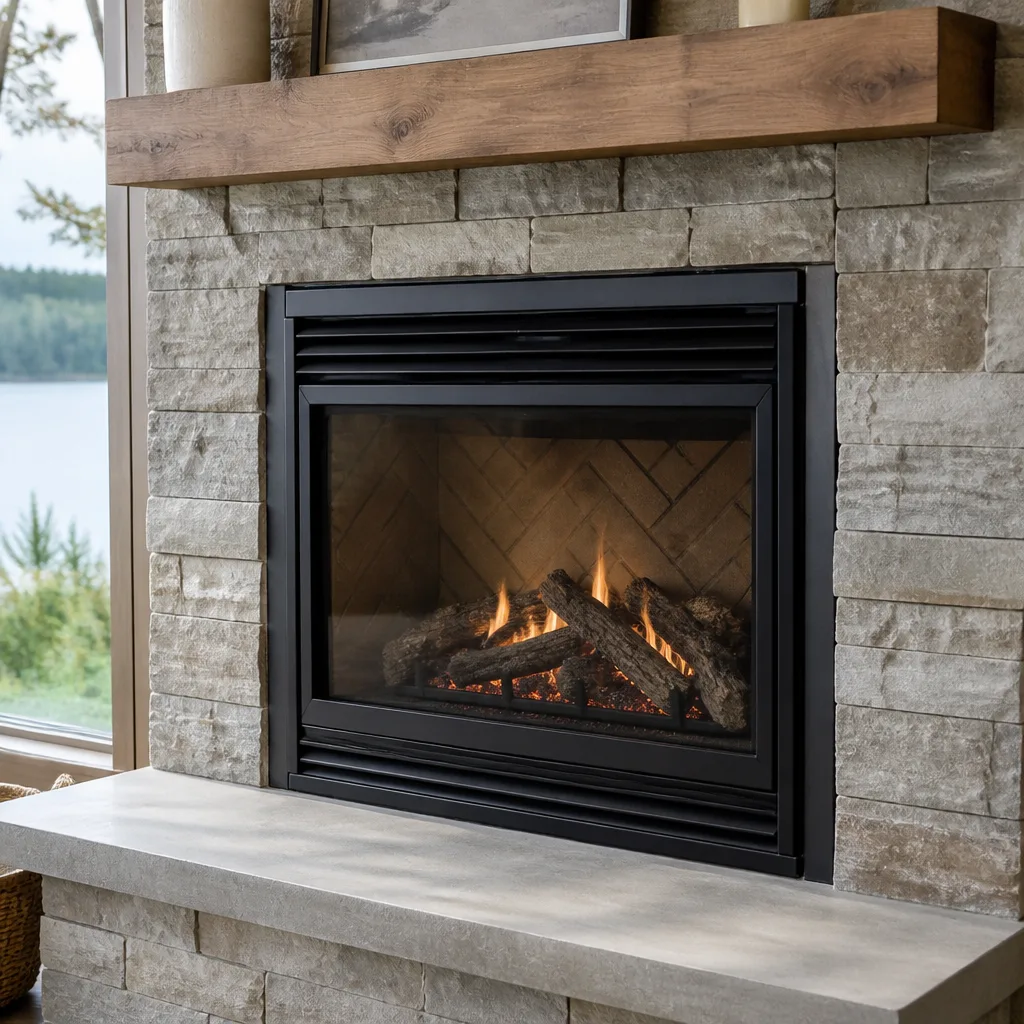 Gas fireplace service
Level 1 sweep and inspection to the NFPA 211 annual standard - flue, crown, cap, and flashing checked and photographed
Chimney sweep logs do not sweep chimneys. They loosen some creosote - which then falls where a brush and vacuum still have to collect it.
The Complete Guide to Chimney Cleaning in Scottsdale
Most chimney guides you’ll find online were written for New England winters and hundred-year-old brick homes. They assume you burn three or four cords a season and measure cleaning intervals by the calendar. Scottsdale doesn’t work that way. Here, most of us burn fewer cords, often in short bursts across a mild winter, and that frequency pattern builds a different kind of creosote than the national advice describes. A chimney that looks “barely used” can still be carrying glazed residue and desert debris it can’t clear on its own. This guide explains what actually happens inside a Scottsdale chimney, how cleaning differs by chimney type, and how to verify the work was done correctly.
Quick Answer
A chimney cleaning in Scottsdale removes creosote, soot, and desert debris from the flue and firebox so the chimney can vent safely. Because Scottsdale homeowners burn less frequently than cold-climate homeowners, cleaning intervals depend on what’s actually inside the flue, not just how many fires you’ve had – which is why a camera-based inspection should come first. Cleaning is typically paired with a Level 1 or Level 2 inspection, and any repair recommendation should be backed by photos you can see yourself.
Styles & brands we work with
- Sweep & inspection
- Caps & crowns
- Flue relining
- Masonry repair
- Gas fireplace service
Table of Contents
- Why Scottsdale Chimneys Build a Different Kind of Creosote
- Level 1 vs. Level 2 Inspection: What Each Actually Involves
- Desert Debris: The Clogs You Can’t See From the Firebox
- Factory-Built vs. Masonry: How Cleaning Procedures Differ
- What a Real Chimney Cleaning Involves, Step by Step
- How Often Should a Scottsdale Chimney Be Cleaned?
- What “Clean” Actually Means – and How to Verify It
- Liner Repair and Resurfacing: When Cleaning Isn’t Enough
Why Scottsdale Chimneys Build a Different Kind of Creosote
Creosote forms when wood smoke cools and condenses on the flue walls. How much forms, and what stage it reaches, depends on burn frequency, wood moisture, air supply, and how hot the fire runs. In cold climates, homeowners often burn long, slow, smoldering fires through the winter – and that’s a creosote factory. In Scottsdale, the pattern is different. December through February brings cool evenings, but most of us aren’t running the fireplace every night. Instead, we light short fires when there’s a chill, sometimes one or two logs at a time, and let the chimney sit idle for weeks.
That low-frequency, high-intensity pattern has a specific signature inside the flue:
- Stage 1 creosote (soot and light flake): the most common residue in Scottsdale, from short hot fires. It’s soft, easy to brush, and looks minor – which is why it gets underestimated.
- Stage 2 creosote (hard, crusty, sometimes glazed): forms when fires cool too fast or burn unseasoned wood. It clings to the flue and doesn’t brush off with a standard pass. HeatShield resurfacing is often the answer here, and we’ll explain that further down.
- Stage 3 creosote (glazed, tar-like): rarer in Scottsdale, but it does happen where a flue has been restricted or a fire has been smoldered. This requires proper liner attention, not a sweep alone.
The take-home point: calendar-based cleaning advice (“every year, no exceptions”) doesn’t map neatly onto Scottsdale use. A chimney that’s burned four small fires a month for one season can build less residue than a chimney that burned one very smoky, wet-wood fire a week. The only way to know is to look, and that’s where inspection comes in.
Level 1 vs. Level 2 Inspection: What Each Actually Involves
Inspection isn’t a formality before cleaning. It’s the part that tells you whether your chimney is safe to use at all. The two levels you’ll hear about most are Level 1 and Level 2, and they’re not interchangeable.
Level 1 Inspection
A Level 1 inspection is a visual check of the readily accessible parts of the chimney: the firebox, the damper, the smoke chamber, the flue (from the top and bottom where reachable), and the exterior where visible. It’s the right call when your chimney has a known history, a compatible appliance, and no changes since it was last inspected. No camera is required at Level 1, though a thorough technician will still use a flashlight and mirror, and may scope the flue if anything looks off.
Level 2 Inspection
A Level 2 inspection is the camera-based inspection, and it’s what we recommend for any chimney we haven’t seen before, any change of fireplace, fuel type, or liner, and any chimney that’s seen a chimney fire or a significant storm. The technician runs a video camera down the flue and records what it sees. The findings are what matter: cracks in the tile liner, gaps at joints, off-set flues, damaged caps, and leftover debris. You should be shown the footage and told exactly what it means. This is the inspection level that allows us to answer questions like “do I really need a new liner?” with evidence rather than a guess.
For a home where the flue has been cleaned and inspected before, Level 1 may be enough. For a new purchase, a first cleaning, or a chimney with a history you don’t have, Level 2 is the standard starting point. If we find something at Level 2 that warrants closer review, we escalate – not the other way around.
Desert Debris: The Clogs You Can’t See From the Firebox
Here’s what national chimney guides miss about Scottsdale: it isn’t just creosote that blocks a flue. Desert debris does its own damage, and most of it accumulates out of sight. A chimney in Scottsdale is fighting a slow invasion of things the flue wasn’t built to contain:
- Dust and fine sediment: the same dust that coats your patio furniture settles in the smoke chamber and on the damper. Over a season it packs down, especially in chimneys that sit unused.
- Bird nesting material: un-capped flues are prime real estate. Nests are a fire hazard and a blockage, and they’re almost invisible from the firebox.
- Palo verde seed pods and palm debris: lightweight seed pods and palm fronds blow around rooftops and drop into open flues. They can lodge at a flue offset, where the firebox can’t see them.
- Rooftop grit from monsoon storms: the summer storms that sweep through Scottsdale can blast grit and debris into a chimney over the top.
These blockages don’t always announce themselves with smoke. A partially blocked flue can draft weakly, spill a little smoke at startup, and feel “normal” once the fire burns hot – until it doesn’t. A camera inspection during the cleaning reveals what’s sitting above the smoke shelf, and that’s the part a firebox-only sweep never reaches. If you’re not sure when your chimney was last opened up top, our chimney sweep includes a look at the flue before anything gets brushed.
Factory-Built vs. Masonry: How Cleaning Procedures Differ
Scottsdale’s housing stock runs the gamut from mid-century masonry fireplaces to newer zero-clearance, factory-built systems – and the two don’t get cleaned the same way. The technique follows the materials.
Masonry Chimneys
A masonry chimney has a clay tile liner surrounded by brick or block. Cleaning means brushing the flue with brushes matched to the liner size and material, clearing the smoke chamber and smoke shelf, and inspecting the joints between tile sections. Masonry can tolerate standard brushing, but can’t tolerate a technician who ignores a cracked tile or an off-set flue. Those are the spots where creosote and debris collect and where a Level 2 camera pays for itself.
Factory-Built (Zero-Clearance) Chimneys
Factory-built systems have a metal flue and often a metal firebox insert, and they’re built to specific clearances. Cleaning here requires brushes sized to the manufacturer’s flue, and the technician needs to check the cap, the firestop, and the connections as they work. These systems don’t get repaired with brick and mortar – they get liner or component attention, often with a flexible stainless liner from DuraFlex or a comparable line. A generalist handyman with a universal brush can damage a factory-built flue without realizing it.
Because we work only on chimneys, our technicians know both systems and clean to the type. We’ve worked with professional-grade product lines including DuraFlex, HeatShield, Gelco, Olympia Chimney, Famco, and Copperfield for years, so if cleaning reveals a component that needs replacing, the right material is available – not a universal part that “will do.”
What a Real Chimney Cleaning Involves, Step by Step
A proper cleaning is a sequence, not a single pass with a brush. Here’s what the work looks like when it’s done right:
- Set up and protect the room: drop cloths, a sealed work area, and a vacuum running at the firebox before any brushing starts.
- Inspect before cleaning: a visual check of the firebox, damper, smoke chamber, and visible flue. If there’s any concern, a camera is run down before the sweep so we know what’s in there.
- Clear the firebox and smoke shelf: soot and ash vacuumed out, then the firebox brushed and cleaned.
- Brush the flue: a brush sized to the liner, worked from the top down and the bottom up, using rods that flex around off-sets without damaging tile.
- Clean the damper and smoke chamber: the areas where debris hides and draft gets restricted.
- Check the chimney cap and crown: debris removed, cap condition assessed, and any bird or nest material cleared.
- Final inspection and documentation: photos taken of what was found, what was cleared, and what condition the flue is in afterward.
That last step is the one most people never see. We document what we find before we recommend anything, and the documentation goes with the estimate. If the chimney is clean, you get a clean report – and if a repair is needed, you get photos of the exact issue. Call (888) 340-2124 for an exact quote. We answer 24/7.
How Often Should a Scottsdale Chimney Be Cleaned?
The industry guideline is that a chimney should be inspected annually and cleaned when creosote or debris reaches a level that creates a risk. In Scottsdale, “once a year” is a guideline, not a rule. A lightly used chimney that burns well-seasoned wood on hot fires may need a sweep every other season. A chimney that sees more frequent fires, unseasoned wood, or has sat un-capped through a nesting season may need attention sooner than the calendar suggests.
The practical test is inspection frequency, not cleaning frequency. An annual Level 1 or Level 2 inspection tells you whether the flue is at the cleaning threshold or below it, and whether a sweep is warranted this season or next. What you don’t want is the alternative: a chimney that goes years without inspection because “it doesn’t get used much” and a first cleaning that turns up glazed creosote or a blocked flue. The risk of skipping it isn’t theoretical – creosote buildup is what a chimney fire feeds on, and a blocked flue can back carbon monoxide into the room. Both risks are the kind you want to know about in advance, not discover at the worst moment.
A simple plan for a Scottsdale home:
- Inspect annually, preferably before the burn season starts in late fall.
- Sweep when the inspection finds creosote or debris above a safe level.
- Have the cap checked every time – uncapped flues are the most common source of nesting debris we see.
- Get a camera inspection at least once at a new-to-you home, and any time a chimney fire is suspected.
If you’re not sure where your chimney stands, that’s exactly what an inspection is for. Call (888) 340-2124 to book one.
What “Clean” Actually Means – and How to Verify It
Here’s the part of chimney cleaning that most services never address: how does a homeowner know the job was done correctly before the technician packs up and leaves? “It looks clean” isn’t a verification. Real cleaning can be confirmed with evidence you can see yourself. Before your technician leaves, you should be able to check these specific things:
- A before-and-after scope or photo record of the flue. If a camera went down, ask to see the footage. The flue should be visibly clear of brushing residue and debris at the same point the technician documented the starting condition.
- No creosote left on the flue walls at eye level. Shine a flashlight up the flue from the firebox and look for soot streaks and loose flake – it should be gone from the accessible sections.
- The smoke shelf and damper are clean. These are the spots that get skipped when a technician works fast. Run a hand along the smoke shelf – it should be clean, not gritty.
- The firebox and firebox floor swept and vacuumed. No residual soot, no fallen debris.
- The chimney cap and crown checked. You should be told the condition of the cap and whether the flue opening was cleared.
- A written record of findings. If anything was flagged – a cracked tile, a damaged cap, a gap at a joint – you should have photos of it, not just a verbal suggestion.
We treat your chimney as a system, not a tube to be brushed, and that means the record of what was found matters as much as the sweep itself. Ask us which liner or cap we’re using and why, and we’ll tell you exactly. If a technician can’t answer that for your chimney, that tells you something too.
Liner Repair and Resurfacing: When Cleaning Isn’t Enough
Cleaning removes residue. It can’t fix a flue that’s deteriorated, and that’s where a repair recommendation should come from – documented evidence, not a repair first. The most common liner issues we find in Scottsdale are cracked clay tiles, gaps between tile sections, and spalling in masonry flues that have been exposed to repeated heat cycles. When a liner is compromised, brushing it only makes the problem clearer. The flue needs to be addressed before the next fire.
Two paths cover most of what we see:
- HeatShield resurfacing: an industry-standard system for repairing damaged flue liners without removing them. It’s applied by technicians trained in the process, and it restores the flue surface in a way that standard repair can’t match in an otherwise sound chimney. Only trained applicators are qualified to install it, which is why it isn’t something every chimney sweep can offer.
- DuraFlex flexible stainless liner systems: for deteriorated or mismatched flues, a flexible stainless liner is often the right solution. It’s sized to the flue, installed as a complete system, and it’s what we’d specify when resurfacing isn’t the right fit. We work with DuraFlex liner systems, and we’ll tell you why one path is a better fit for your chimney than the other.
Either recommendation should be backed by recorded findings and a written estimate. The written estimate sets the final price, and we’ll tell you plainly when work can safely wait. If a chimney is safe to use this season, you’ll hear that. If it isn’t, you’ll see exactly why. Our chimney repair service covers both paths, and the inspection that precedes them is the same one we’d do if the chimney just needed a sweep.
Common Mistakes to Avoid
- Assuming a lightly used chimney doesn’t need inspecting. Low use in Scottsdale doesn’t mean low residue. Short hot fires build stage 1 creosote that can harden over time, and an un-capped flue can collect nests and desert debris regardless of how often you burn.
- Judging the job by the firebox alone. The firebox is the easiest part to clean and the least telling. If a technician never looks up the flue or at the cap, the most important part of the cleaning didn’t happen.
- Accepting a “you need a new liner” verdict with no evidence. If a repair is recommended, ask to see the photos of what prompted it. A finding you can’t verify is a guess, and repeated guesswork is how homeowners end up paying for work that wasn’t needed.
- Letting the chimney go un-capped through spring. Nesting season and seasonal storms are exactly when debris finds its way into an open flue. A cap is a small piece of hardware doing a large job.
- Using a general handyman for a chimney cleaning. Factory-built flues need brushes sized to the manufacturer’s system, and masonry flues need a technician who can spot a cracked tile. A generalist can miss both, or worse, damage a flue without knowing it.
- Cleaning without inspecting. Cleaning without knowing what’s in the flue is just guessing what to brush off. Inspection tells you what stage the creosote is at, whether the liner is intact, and whether the sweep is the right service this season.
- Burning wet or unseasoned wood to “get through the season.” It’s the fastest way to build stage 2 creosote in a lightly used chimney. The cost you think you’re saving on wood comes back as a repair later.
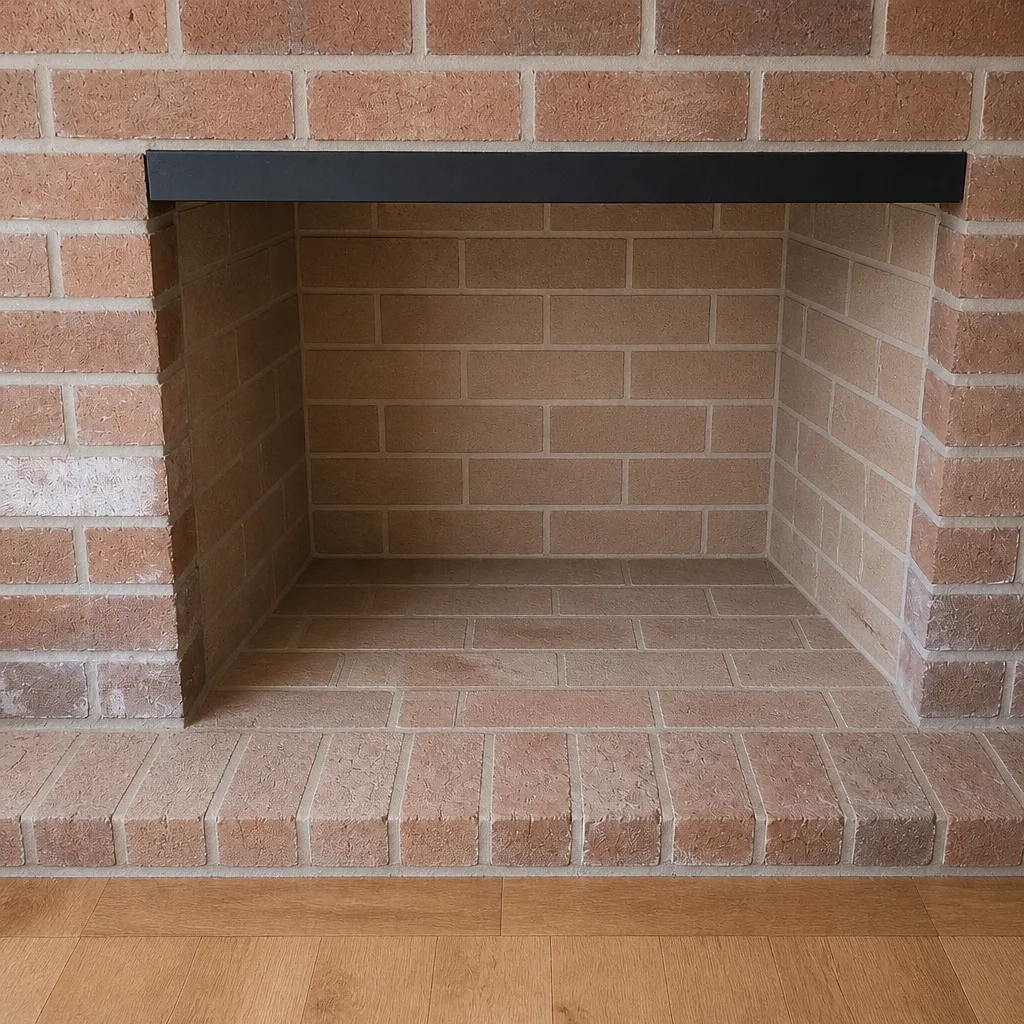
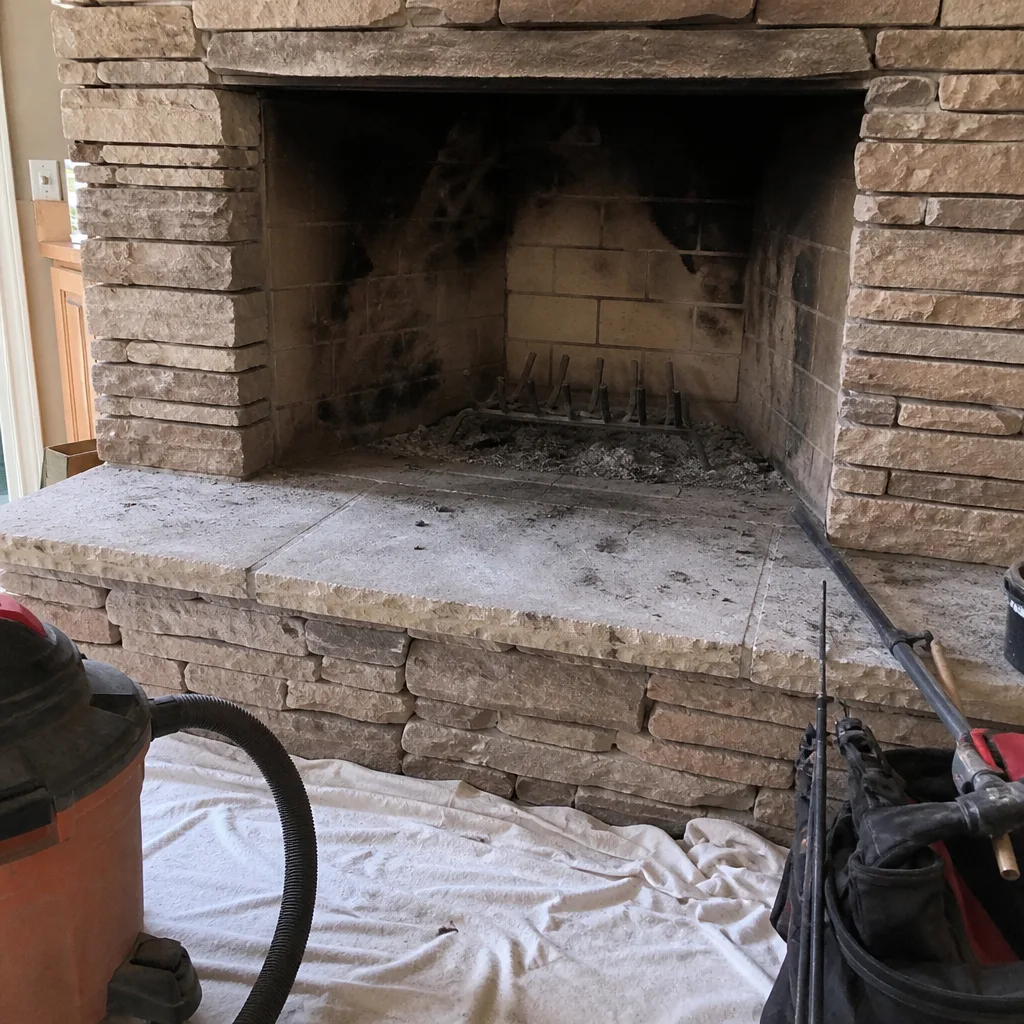
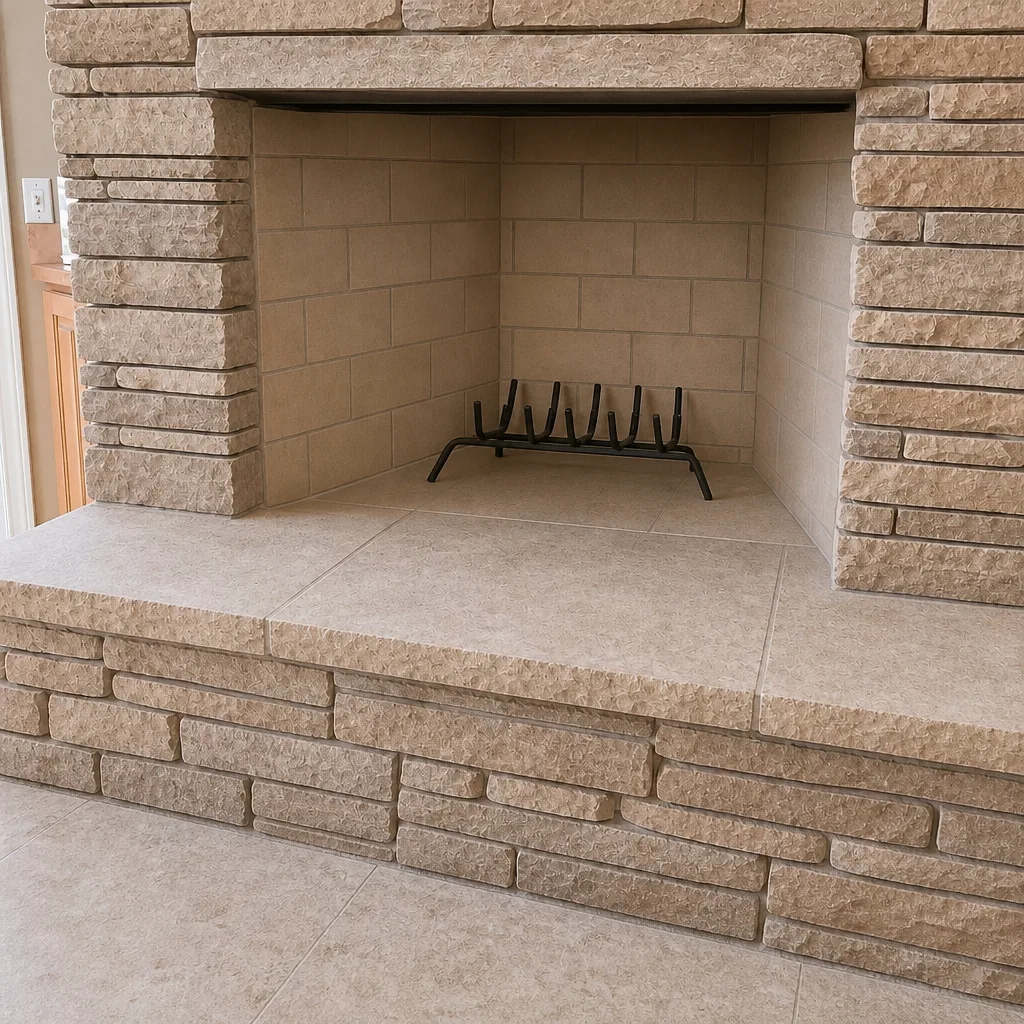
See the difference
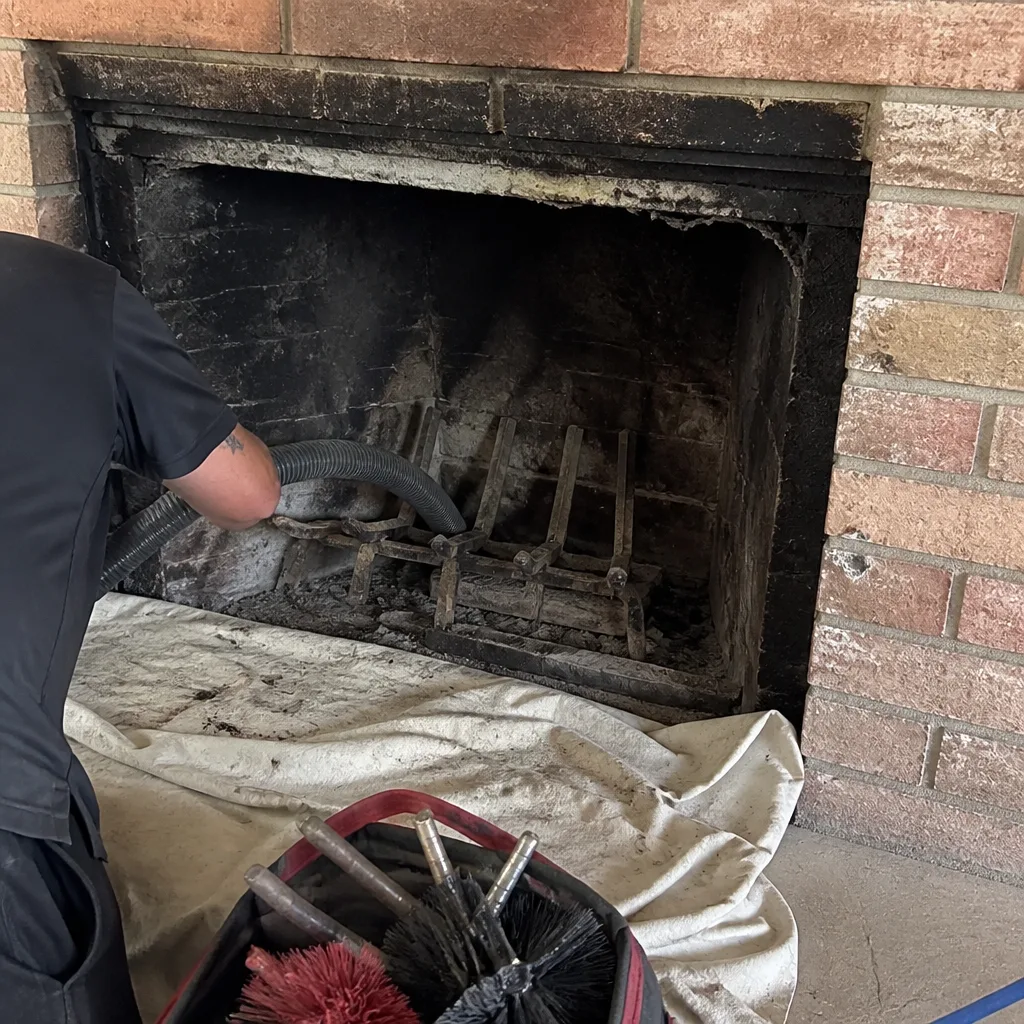 Before
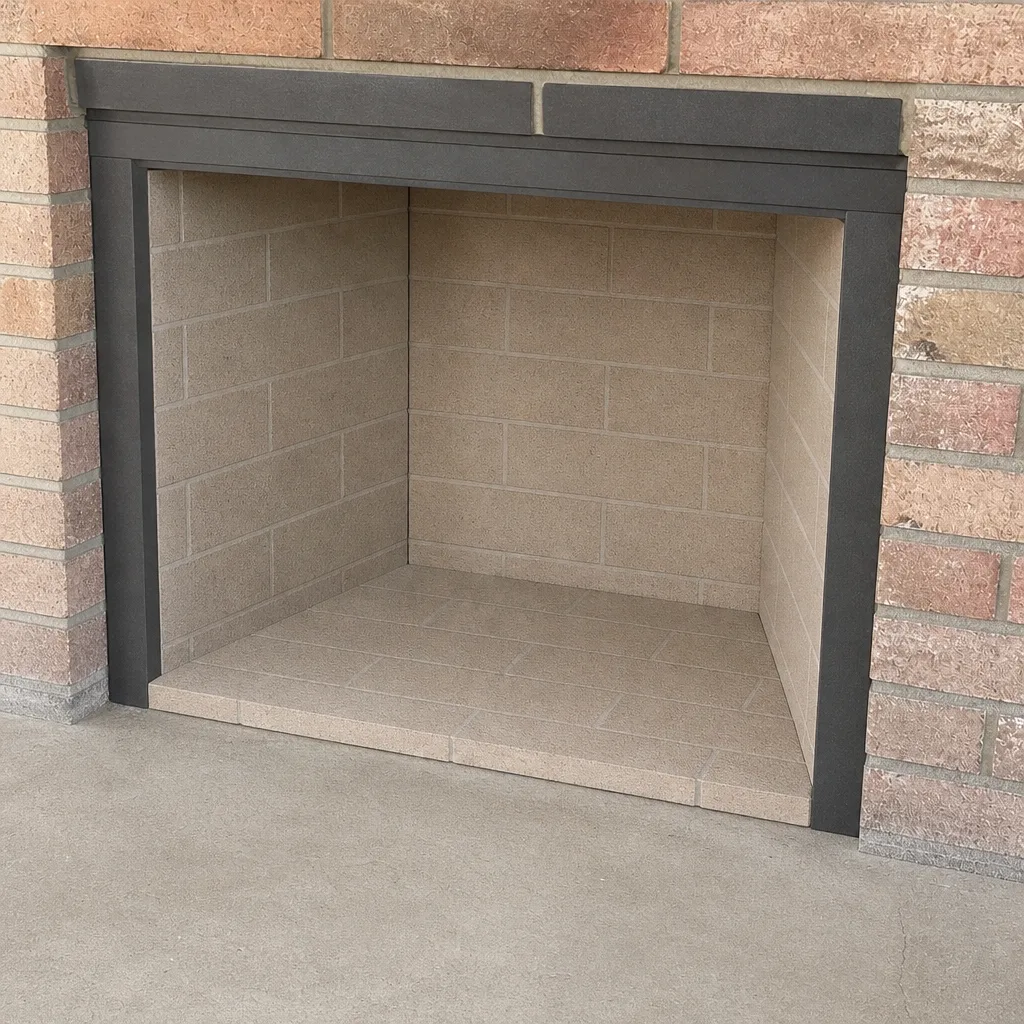 After
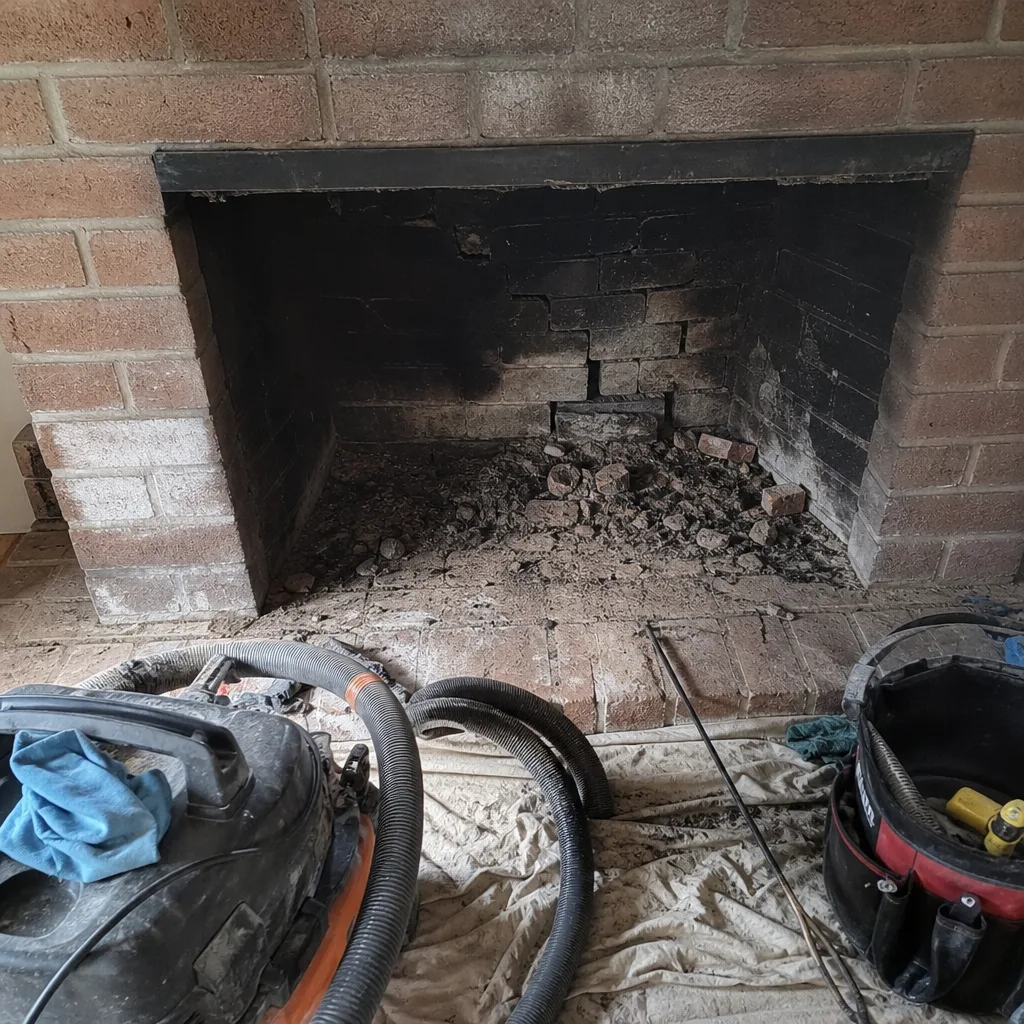 Before
 After
 Before
 After
When to Call a Professional
Some chimney problems announce themselves – smoke spilling into the room, a strong creosote smell that doesn’t go away, an obvious crack in the firebox. Others don’t: a partially blocked flue, a cracked tile behind the first course, or a liner that’s spalled but still drafts. If your chimney hasn’t been inspected in the last year, has never had a camera inspection, or came with a home you bought without a chimney record, that’s the moment to call. The same is true if you’re using the fireplace more than usual, have changed the type of fire, or have noticed any draft issue at startup. Scottsdale Chimney Sweep offers free estimates in Scottsdale – call (888) 340-2124. Our technicians have up to experience with both factory-built and masonry systems, and the estimate is free. We answer 24/7, with fast dispatch from 7am to 7pm, Sunday through Friday.
Frequently Asked Questions
A typical chimney cleaning in Scottsdale is a per-job price set by a written estimate after the inspection, not a flat rate applied to every chimney. The price reflects the flue type, its condition, and whether a Level 1 or Level 2 inspection is included. The estimate is free, and the written estimate sets the final price – call (888) 340-2124 for an exact quote.
Most Scottsdale chimneys should be inspected annually before burn season, and swept when that inspection finds creosote or debris above a safe level. Because local burn patterns are lighter than in cold climates, some chimneys need a sweep every other season and others need it sooner – the inspection tells you which one you have. Call (888) 340-2124 to schedule an inspection and find out.
You need a new liner only when the documented condition of the flue requires one, and that’s why the inspection comes first. A Level 2 camera inspection shows cracked tiles, gaps at joints, and spalling – the conditions that warrant liner attention. If the flue is sound, we’ll tell you so. If it isn’t, you’ll see the footage. Call (888) 340-2124 for a free estimate with documented findings.
Because creosote builds from the way fires burn, not just from how many you have. Short, hot fires in a cooler climate still leave stage 1 creosote, and desert debris – dust, bird nesting material, and palo verde seed pods – collects in un-capped flues regardless of use. The only way to know the level is to look. Call (888) 340-2124 to book the inspection.
Creosote keeps accumulating until it becomes the fuel a chimney fire feeds on, and a blocked flue can back carbon monoxide into the room without obvious warning. Skipping cleaning doesn’t just mean a dirty chimney – it means the safety question goes unanswered. Call (888) 340-2124 and get a documented status before the next season.
Yes. Inspection-first is how we work: we document what we find before we recommend anything, and you get photos of any issue rather than a verbal suggestion. When repair work can safely wait, we say so. Call (888) 340-2124 for a free estimate and a clear report on your chimney.
The Bottom Line
Chimney cleaning in Scottsdale is not a national-service template applied locally. Desert debris, low-frequency burning, factory-built and masonry flues, and short intense fire patterns all shape what needs to be removed and how. The fundamentals hold: inspect annually, clean when the findings say so, and never accept a repair recommendation you can’t see evidence for. A chimney is a system, and each part of it – firebox, flue, cap, liner – gets its own attention. One crew, start to finish, and a written record you can keep. This is what Scottsdale Chimney Sweep does: sweep, inspect, and repair with professional-grade materials. Call (888) 340-2124 for a free estimate. We answer 24/7, with fast dispatch from 7am to 7pm, Sunday through Friday.
Written by the team at Scottsdale Chimney Sweep.