
Last updated November 15, 2026
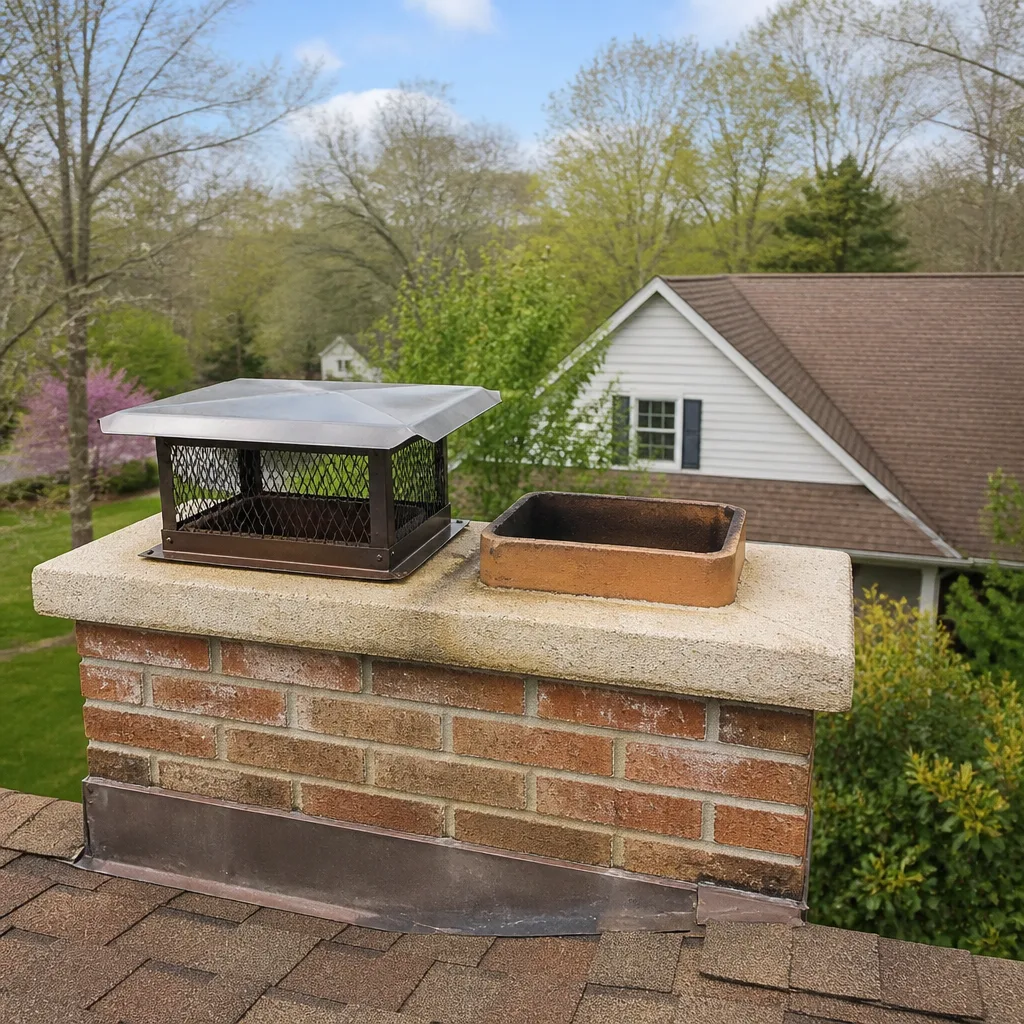 Sweep & inspection
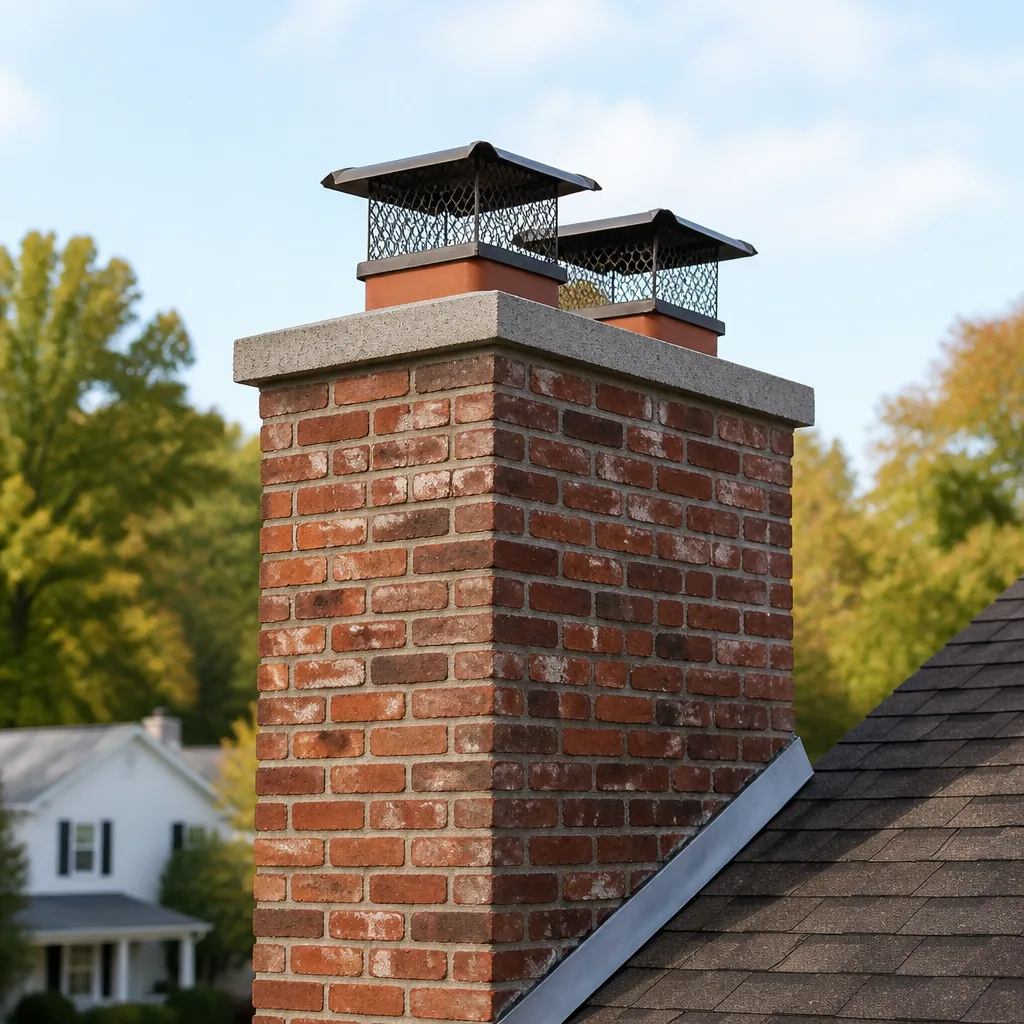 Caps & crowns
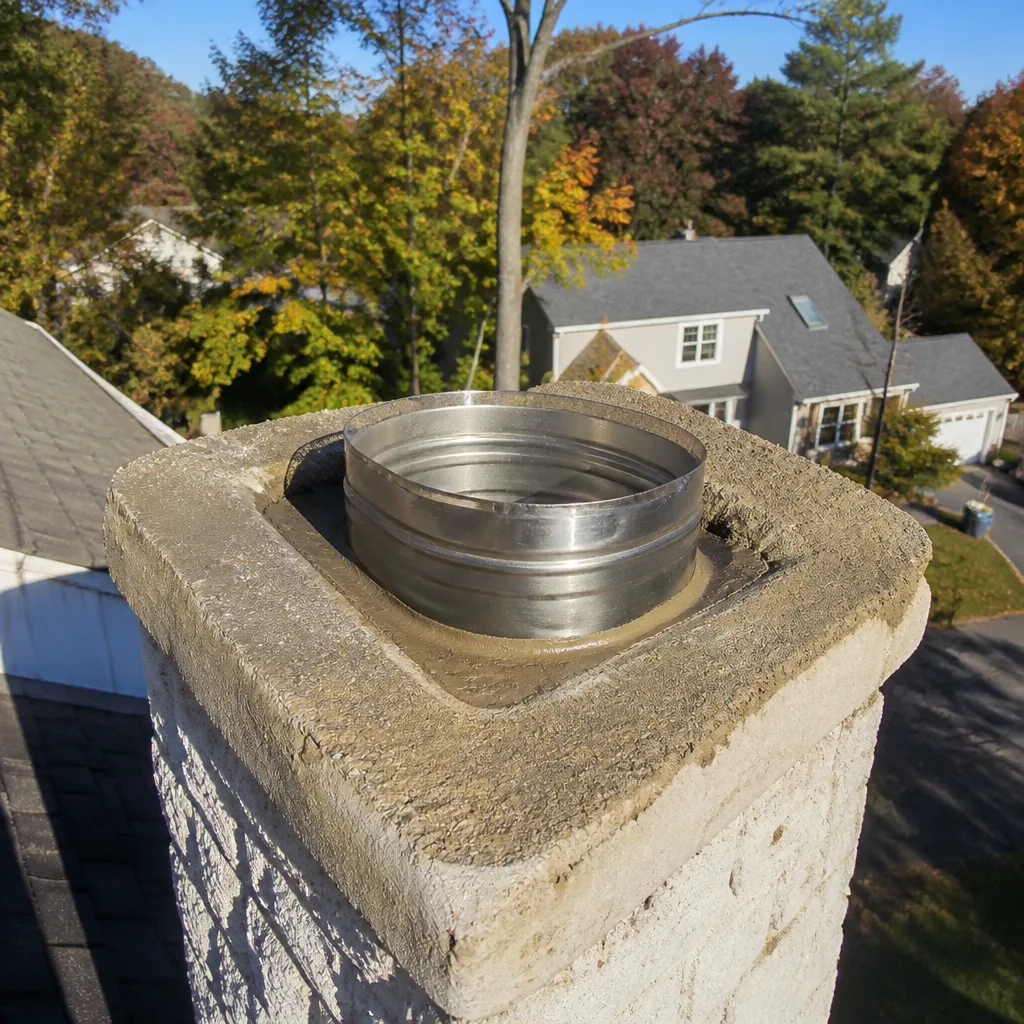 Flue relining
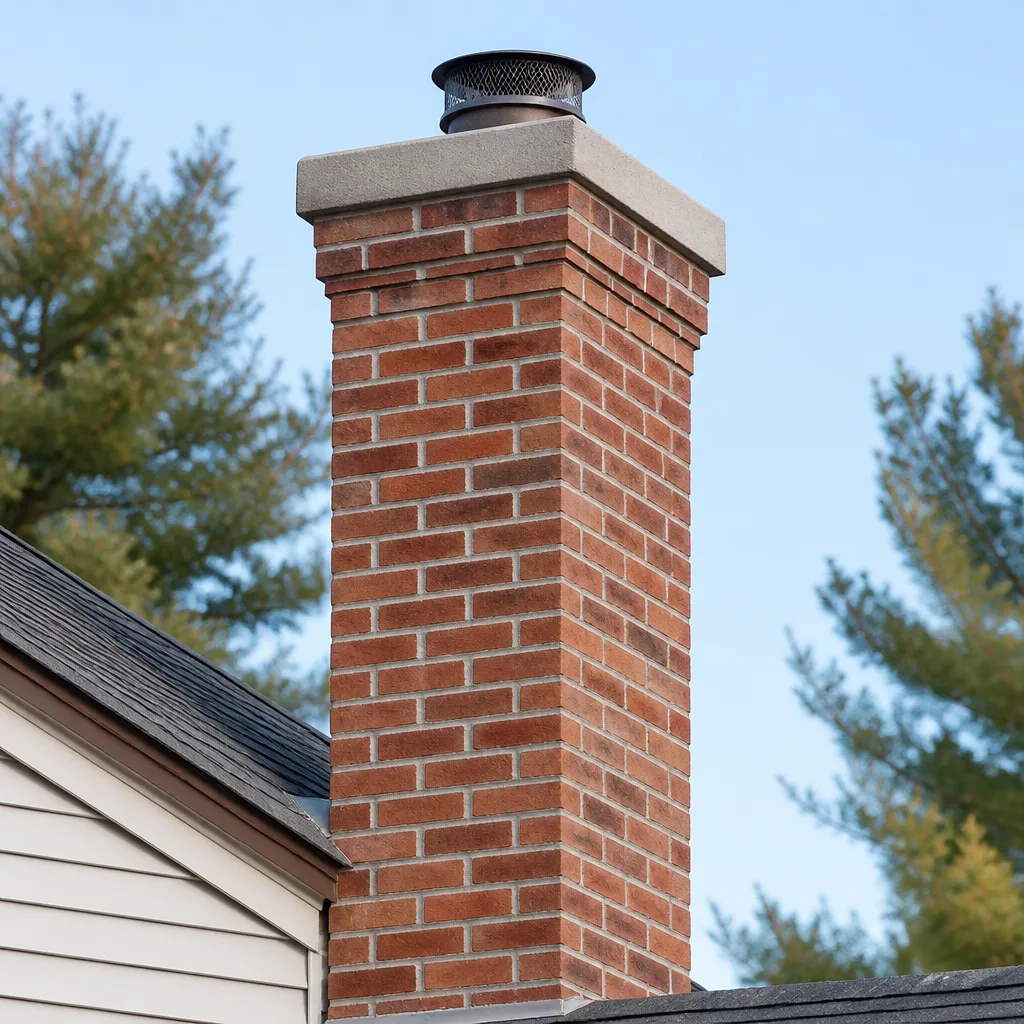 Masonry repair
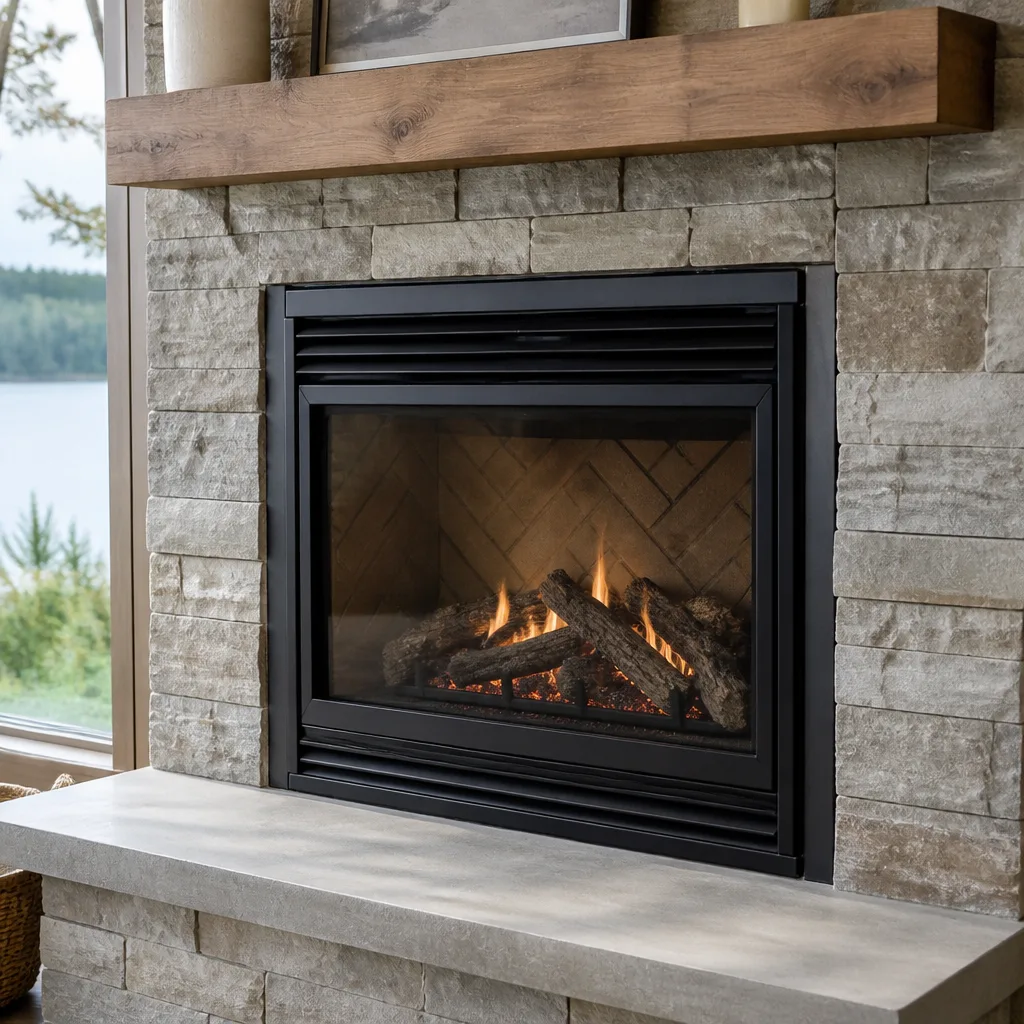 Gas fireplace service
Level 1 sweep and inspection to the NFPA 211 annual standard - flue, crown, cap, and flashing checked and photographed
Chimney sweep logs do not sweep chimneys. They loosen some creosote - which then falls where a brush and vacuum still have to collect it.
Chimney Cleaning Permits, Codes & Inspections in Scottsdale, AZ: What You Need to Know
Here’s the part most homeowners miss: the cleaning is rarely the issue. Chimney repairs are. A lining replacement or a chase rebuild done without a permit in Maricopa County doesn’t announce itself. It sits quietly in the record until a buyer’s inspector asks for documentation during a home sale, or until an insurance adjuster reviews a fire claim and finds prior work that was never inspected. By then, correcting the record means time, money and a lot of phone calls. This guide walks through exactly which chimney services in Scottsdale require permits, how Arizona’s adopted fire and building codes apply to liners and caps, what a municipal inspector checks versus what a sweep evaluates, and how to confirm your contractor is doing it right.
Quick Answer
In Scottsdale, routine chimney sweeping is maintenance and doesn’t require a permit. Chimney repairs that alter the structure or the venting system do – liner replacement, flue resizing, a new or replacement cap on some systems, chase modification and firebox rebuilds generally fall under permit territory. Inspections are separate from both: a city building inspector verifies code compliance on permitted work, while a chimney professional evaluates the condition and performance of the whole system. When a repair touches the venting path, ask your contractor directly whether a permit is required and who is pulling it.
Styles & brands we work with
- Sweep & inspection
- Caps & crowns
- Flue relining
- Masonry repair
- Gas fireplace service
Table of Contents
- Which Chimney Services Need a Permit in Scottsdale?
- How Arizona’s Adopted Codes Apply to Your Chimney
- City Inspector vs. Chimney Sweep: Two Different Scopes
- The Insurance Problem With Unpermitted Chimney Work
- How to Verify Your Contractor Is Pulling Permits
- Why Scottsdale Conditions Affect Chimney Longevity
- The Three Levels of Chimney Inspection
- What the Permit Process Actually Looks Like
Which Chimney Services Need a Permit in Scottsdale?
The dividing line is straightforward once you understand it: maintenance versus modification. Sweeping removes creosote and debris from an existing, unchanged system. Repairs that change the structure, the venting path or the firebox assembly fall into a different category, and most municipalities treat that category as construction work.
Services that are typically maintenance-only and exempt from permitting:
- Routine chimney sweeping and creosote removal
- Visual inspection of the firebox, damper and flue
- Removing blockages such as nests, leaves or debris
- Minor cap or spark arrestor replacement where no structural change is made
Services that generally require a permit because they alter the venting system or structure:
- Lining a chimney or replacing a deteriorated liner
- Resizing a flue or changing the flue’s internal dimensions
- Rebuilding a firebox or replacing firebox components
- Modifying, extending or rebuilding the chimney chase or crown
- Installing a new chimney or venting appliance where none existed
- Converting a masonry flue to a factory-built or lined system
We’re careful with the word “generally” here on purpose. Permit thresholds are set locally, and the specific scope of a job matters. A simple cap swap may not need one; a cap installed as part of a liner termination almost certainly does. When you call for a chimney repair in Scottsdale, ask directly: “Does this specific repair require a permit, and are you pulling it?” A contractor who does this work regularly will answer without hesitation.
What surprises homeowners most is that lining work – the single most common significant chimney repair – is squarely in the permit category. It’s not a cleaning upgrade. It’s a change to the venting system, and the venting system is what the code cares about.
How Arizona’s Adopted Codes Apply to Your Chimney
Arizona adopts the International Residential Code and the International Fire Code at the state level, and local jurisdictions including Scottsdale apply them through their building departments. Two code families govern your chimney: the fire code, which addresses clearances and fire safety, and the residential code, which addresses construction, materials and venting.
What the code framework actually checks, in plain terms:
- Clearances. Combustible materials must maintain a specified distance from the chimney and flue. This applies to framing, sheathing and interior finishes. Old chimneys sometimes were built closer than current code allows, which is one reason a repair can turn into a clearance correction.
- Liner materials. The liner has to be appropriate to the appliance it serves – a wood-burning fireplace, a gas insert, a wood stove. The material must be rated for the temperatures and conditions it will see. This is where product choice matters: a flexible stainless system such as DuraFlex is engineered for relining a deteriorated masonry flue, while resurfacing systems like HeatShield address a liner that’s cracked or spalling but still structurally present.
- Cap and termination specifications. The cap has to be sized and installed so the flue terminates correctly, keeps out water and animals, and doesn’t interfere with draft. On factory-built systems, the manufacturer’s listed cap is generally the one that must be used – substituting a generic cap can void the listing.
- Factory-built versus masonry. These are two different rulebooks. Masonry chimneys are built and repaired to code. Factory-built systems are governed by the manufacturer’s listing, and every component – flue sections, supports, caps, firestops – must be a matched part of that listed system.
The reason this matters to a Scottsdale homeowner is that repair decisions get made at the point where the liner comes out. When we open a flue and find spalling, we’re looking at what the code requires for a replacement versus what a resurfacing system can correct. That judgment is exactly why professional-grade products matter – our technicians work with Famco, DuraFlex and HeatShield because those systems are designed to meet the material and performance standards a code inspection will evaluate.
Ask your contractor which product they’re specifying and why. If they can’t explain the material choice in terms of what the flue needs, that’s a flag.
City Inspector vs. Chimney Sweep: Two Different Scopes
This is the distinction that causes the most confusion, and it’s worth being blunt about it. A municipal building inspector and a chimney professional are not doing the same job, and neither one replaces the other.
What a Scottsdale building inspector evaluates on permitted chimney work:
- Whether the installed components match what was permitted
- Clearances to combustibles as required by code
- That the liner or flue material is appropriate for the appliance served
- Termination height and cap installation
- Structural attachment – supports, chase framing, crown condition
- Documentation that the work is complete and code-compliant
What a chimney sweep or certified inspector evaluates during an inspection:
- Creosote accumulation and stage (first, second or third degree)
- Liner condition – cracks, gaps, spalling, separation
- Firebox and damper operation
- Draft performance and smoke behavior
- Blockages and obstructions
- The overall system as a functioning unit, not just code compliance
See the overlap and the gap. The city inspector signs off that the work was done to code. The chimney professional tells you whether the whole system is safe to use. A permit inspection can pass while a separate issue – say, heavy creosote in an adjacent flue – goes unaddressed.
In our experience, the best sequence is: professional inspection first to diagnose, permit if a repair is needed, professional inspection again after the work so you have documentation of the finished system. That final document is what a buyer’s inspector and an insurance adjuster will want to see. For reference on what a routine evaluation covers, our chimney sweep service page explains the inspection-first approach we use before any cleaning or repair recommendation.
The Insurance Problem With Unpermitted Chimney Work
Here’s where unpermitted work stops being an abstract concern. Insurance carriers evaluate claims based on the home as it actually exists and can be documented. Work done without permits often lacks the paper trail – no inspection record, no documentation of the install, sometimes no record of who did it at all.
If a fire occurs and the carrier’s adjuster asks when the liner was replaced and whether it was inspected, a homeowner with no documentation has a real problem. Carriers can and do question coverage where unpermitted, uninspected work contributed to a loss. Even when a claim is ultimately paid, the process becomes slower and more contested.
The same documentation gap appears during a home sale. Buyers, their inspectors and their lenders want records for significant work. An unpermitted lining job becomes a negotiation item – and correcting the record can mean opening the system back up for inspection, which is far more expensive than pulling the permit in the first place.
What a homeowner should have on file after any significant chimney repair:
- The permit record and the final inspection sign-off
- The contractor’s written scope and the specification of materials used
- Before-and-after documentation from the chimney professional
- Photos or a written report showing the condition of the flue
We document what we find before we recommend anything, and we tell you plainly when work can safely wait. If a repair isn’t urgent, we say so. That’s not salesmanship – it’s the same discipline that keeps your records clean. Our Scottsdale Chimney Sweep team treats the paper trail as part of the job, not an afterthought.
How to Verify Your Contractor Is Pulling Permits
Some contractors skip the permit step for a simple reason that isn’t in the homeowner’s interest: it’s faster and cheaper for them. The exposure lands on the homeowner. Here’s how to protect yourself.
- Ask before you book. Ask directly whether the scope of work requires a permit and whether the contractor will pull it. A straight answer takes seconds. A vague one is information.
- Get the permit application in writing. Ask for the permit number once it’s pulled. Reputable contractors provide it without being pushed.
- Confirm it’s a contractor permit. The permit should be under the contractor’s name and company, not yours. Homeowner-pulled permits for contractor work leave you holding the responsibility for compliance.
- Request the final inspection record. When the job closes out, ask for documentation of the inspection. This is what closes the loop with your insurance carrier and future buyers.
- Check the scope matches. The permit should cover the work actually performed. A permit for a minor repair doesn’t cover a lining replacement.
- Cross-check with the city. Scottsdale’s building department maintains permit records. If a contractor says a permit was pulled, the record will confirm it.
One more step worth taking: ask who will be on site for the inspection. If the contractor disappears after the install and the inspector finds a problem, you want a company that will return and handle the correction. A single-trade specialist is more likely to be there – the chimney is their whole business, not a side job between drywall patches. Our technicians have up to experience specifically with chimney systems, and specialization is what makes the difference when a code question comes up mid-job.
Why Scottsdale Conditions Affect Chimney Longevity
Scottsdale’s climate shapes chimney wear in ways that northern-climate advice doesn’t cover. The biggest factor is the temperature swing. A winter evening fire heats the masonry, and by late morning the chimney is cooling under desert sun. That daily expansion and contraction works on mortar joints and the crown the way a slow squeeze works on a sponge – nothing dramatic, but cumulative. The result is hairline cracking and spalling, and those are exactly the conditions that can require a liner repair.
The other factor is moisture from an unlikely direction. Chimneys here get plenty of rain in the season, and a failing crown or a missing cap lets water enter the flue. In mild winters the freeze concern is minimal, but water that sits against masonry and the liner still causes deterioration. That’s why cap condition comes up in nearly every inspection we do in the area.
Older neighborhoods in Scottsdale carry the systems that need this attention most. Homes built in the 1970s and 1980s-era developments often have masonry flues nearing or past the point where relining makes sense. Homes with factory-built fireplaces from that same era are often still running the original components. Neither is automatically a problem; both are worth documenting.
- Masonry chimneys in desert climates benefit from crown and cap inspections at least annually and crown maintenance every few years.
- Factory-built systems in Scottsdale should be checked for component wear, and replacements must use listed parts from a matched system – not generic substitutes.
- Liner condition should be evaluated with actual visual access, not assumed from the firebox appearance.
The point isn’t that Scottsdale chimneys fail faster. It’s that the failure modes are specific to the climate, and a contractor who works in it regularly will know what to look for.
The Three Levels of Chimney Inspection
Not every inspection looks at the same thing. The chimney industry recognizes three distinct levels, and knowing which one you need is how you avoid paying for an inspection that can’t answer your question.
Level 1 Inspection. A visual examination of the readily accessible portions of the chimney – the firebox, damper, visible flue sections from below, and exterior components from the ground or roof level. This is appropriate when the system is in continued service, the appliance hasn’t changed, and there’s no known problem. If you’ve had regular sweeping and nothing has changed, a Level 1 is usually what you need.
Level 2 Inspection. A more thorough examination that includes all accessible areas, and importantly, it’s what’s required when a property changes hands, when an appliance is replaced or changed, or after an event such as a chimney fire or a damaging event. Level 2 often involves video inspection of the flue interior. If you’re buying a home in Scottsdale, this is the level that tells you what you’re actually getting. It’s also appropriate after any significant repair.
Level 3 Inspection. The most extensive level, used when the other levels find problems and specific areas need to be accessed – which can mean removing parts of the chimney structure or adjacent materials. This is rare and targeted at diagnosing a known issue.
The practical sequence after any repair work is a Level 2 to document the finished system. That’s the record that matters for insurance and resale. For cleaning and annual maintenance, our Scottsdale Chimney Sweep team builds a Level 1 into routine service and escalates when the findings warrant it.
One more note on inspections: a sweep who cleans and leaves without telling you what they found is giving you half the service. What you want is a documented report showing the condition of the flue, the firebox, the damper and the exterior – so that next year you can compare and see what’s changed.
What the Permit Process Actually Looks Like
The permit process is less complicated than it sounds, which is part of why skipping it makes no sense. Here’s what it involves when a chimney repair is properly permitted in Scottsdale.
- The repair is scoped. A professional inspection identifies the problem and the repair. The scope is documented – liner replacement, firebox rebuild, cap replacement, structural modification – and the material spec is chosen.
- The contractor applies for the permit. The application is filed with the building department, under the contractor’s name, with the scope of work and materials described.
- The permit is issued. The department confirms the scope and, depending on the work, may require certain elements to be specified up front.
- The work is performed to the permitted scope. This is where the material choice matters. If the permit specifies a particular liner system, the installed liner needs to match.
- The inspection is requested. The contractor requests the inspection. The city verifies the installed work against the permit and code.
- The final sign-off. The inspection is documented, the permit closes, and the homeowner has a record of compliant, inspected work.
The single most common shortcut is skipping step two, which means steps four through six don’t happen either. A homeowner who doesn’t ask gets no permit, no inspection record, and no documentation. The work may look great from the outside. That’s exactly the problem – you can’t tell from a finished job whether the liner matches the listing or meets the clearance requirements. The inspection is what verifies it.
There’s a reasonable question about timing: if a flue fails and the fireplace becomes unusable, does the permit process delay getting heat back? It can, and that’s worth knowing when you plan. Seasonal timing matters in Scottsdale – the cooler months are when the fireplace gets used, and the right time to schedule inspection and repair is before the season, not during it. If you’ve been putting off an inspection and find yourself with a problem, call us. We answer 24/7. A call outside dispatch hours is booked into the next opening, Sunday through Friday, 7am to 7pm.
Common Mistakes to Avoid
- Skipping the permit because a contractor says it isn’t needed. “It’s just a liner, it doesn’t need a permit” is a sentence that costs homeowners money down the road. Lining work typically does need one, and you should hear a contractor explain exactly why before accepting a no.
- Pulling the permit yourself. For contractor work, the permit should be in the contractor’s name. If you pull it, you’re the one responsible for compliance, and the contractor has no skin in the inspection.
- Assuming an inspection covers everything. A code inspection verifies permitted work. It doesn’t tell you the rest of the system is safe. A separate professional evaluation covers the full system.
- Accepting a generic cap on a factory-built system. Factory-built systems are governed by their listing, and substitution can void it. Ask which cap is being installed and whether it matches the system.
- Not asking for the inspection record after the job. The permit and final inspection are the documentation you’ll need during resale and for insurance. If you never receive it, ask for it.
- Treating a cleaning as an inspection. A sweep and an inspection are different scopes. If all you get is a clean flue and no report, you’ve learned nothing about the condition of the system.
- Leaving cap damage unattended in rainy season. A cracked crown or damaged cap lets water into the flue. What looks cosmetic becomes a liner repair when it’s caught late.
See the difference
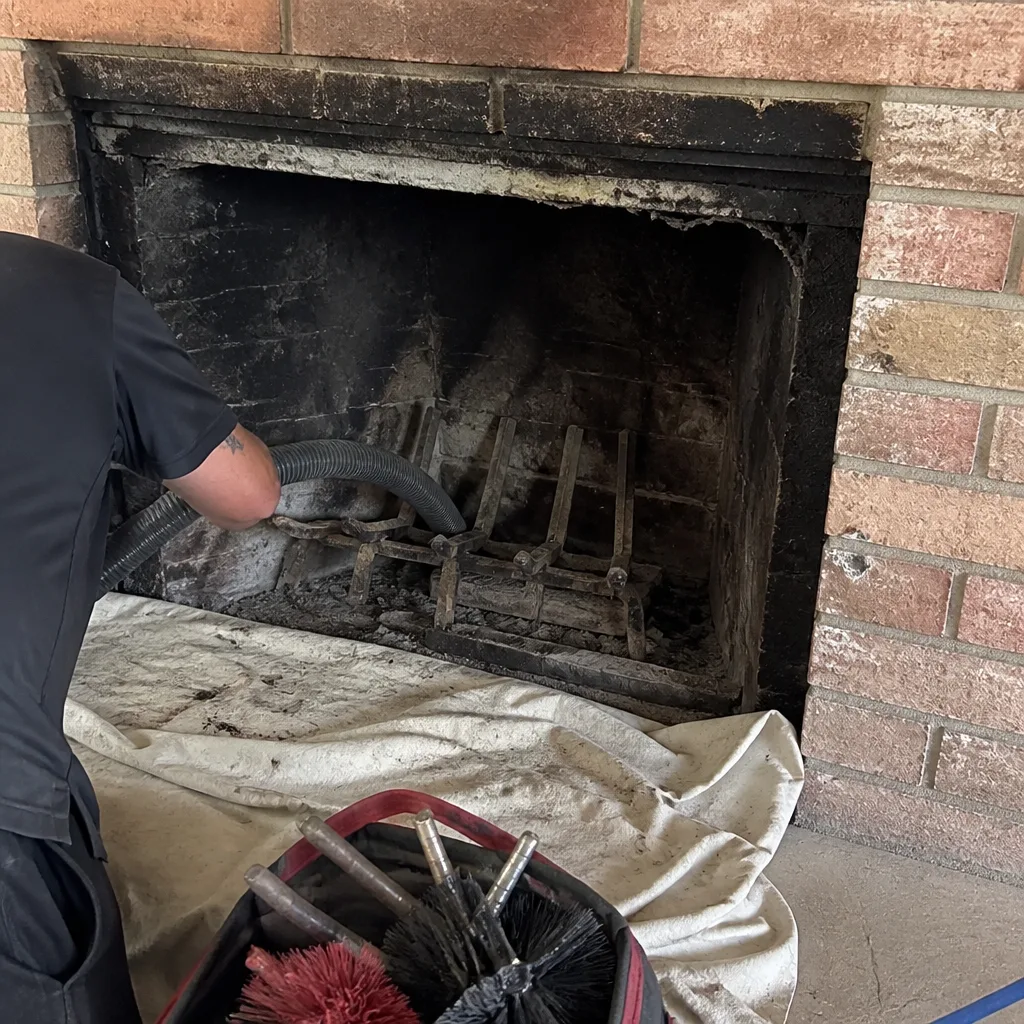 Before
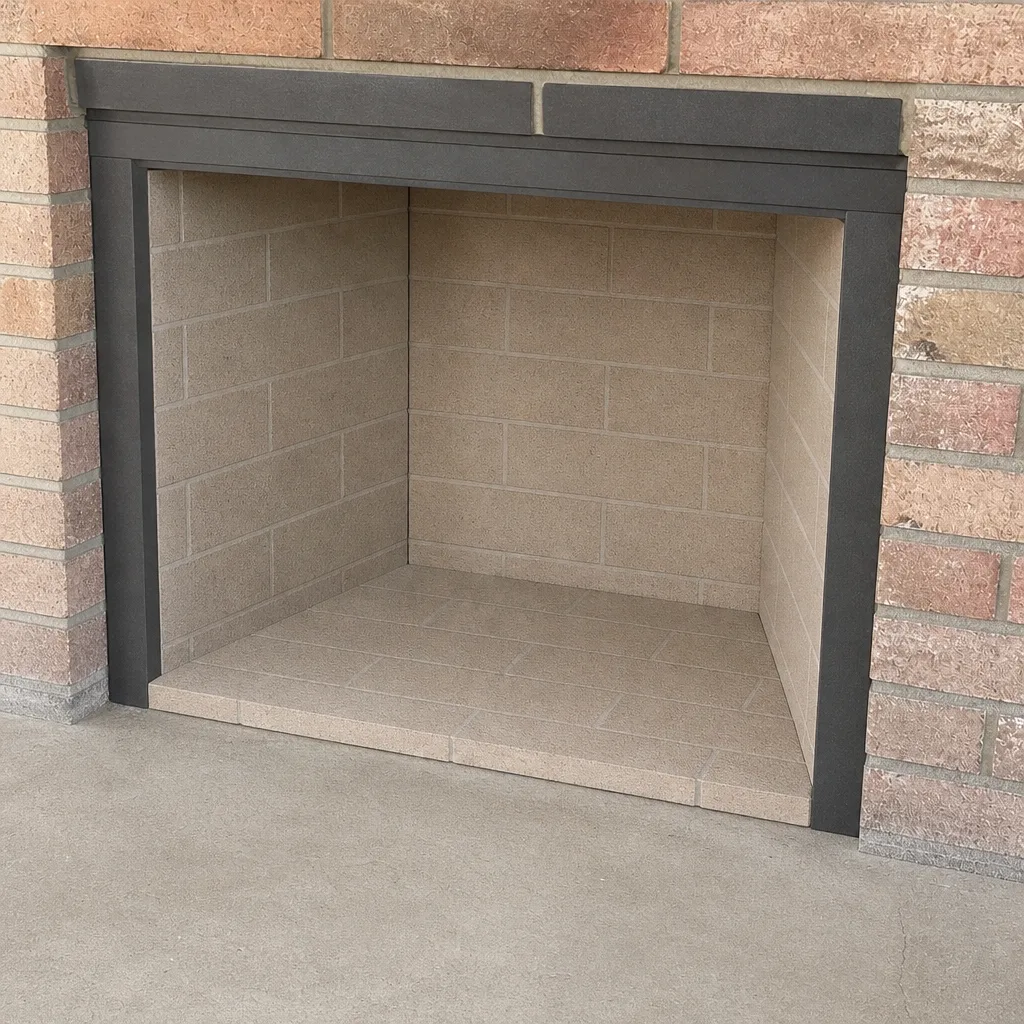 After
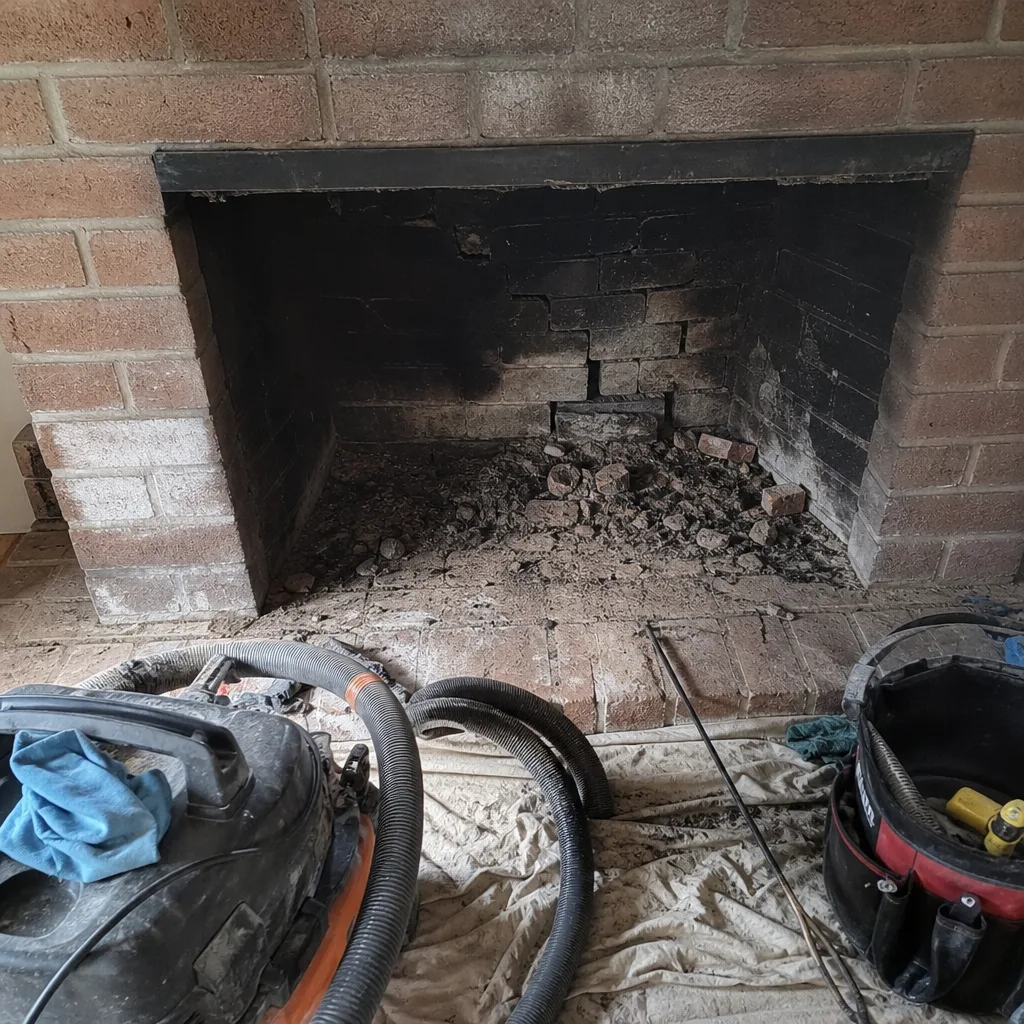 Before
 After
 Before
 After
When to Call a Professional
Some situations call for a professional on the phone, not a web search. If you’re buying a home in the area and need a Level 2 inspection before closing, that’s a conversation worth having early. If your last cleaning was more than a season ago and you’ve been burning regularly, a documented evaluation will tell you what’s actually going on. If you see cracked masonry, a loose cap, staining on the chase, or smoke coming back into the room, stop burning and get it looked at. If a contractor told you a liner repair “doesn’t need a permit,” get a second opinion before accepting. And if you’ve bought a home with a chimney and no records, an inspection will establish a baseline you can carry forward.
Scottsdale Chimney Sweep offers free estimates in Scottsdale – call (888) 340-2124. We answer 24/7. Fast dispatch from 7am to 7pm, Sunday through Friday.
Frequently Asked Questions
No. Routine chimney sweeping and creosote removal are maintenance and don’t require a permit. A permit comes into play when the work modifies the venting system or structure – lining, firebox rebuilds, chase modifications. Call (888) 340-2124 for an exact answer on your specific scope – estimates are free.
Often yes, particularly for repairs that change the venting system or structure. Liner replacement, flue resizing, firebox rebuilds and significant chase work generally fall under permit requirements. Minor component swaps may not. The reliable answer comes from the scoping inspection and the building department. Call (888) 340-2124 and we’ll walk through your situation – estimates are free.
A city building inspector verifies that permitted work is code-compliant and matches the permitted scope. A chimney professional evaluates the system’s condition and performance – creosote levels, liner condition, draft, firebox operation – whether or not any permit exists. You need both, in different circumstances. Call (888) 340-2124 to schedule a professional evaluation – estimates are free.
It can. Carriers rely on documentation, and unpermitted, uninspected work leaves gaps. If a fire occurs and the adjuster asks for records that don’t exist, the claim process becomes contested. Permitted work with a final inspection record is the documentation that answers those questions. Call (888) 340-2124 for an evaluation before you have a claim to make – estimates are free.
Not automatically, but Level 2 is the level required during a property sale, after an appliance change, or after a chimney fire, and it’s what we recommend after significant repair work. For routine maintenance with no known issues, a Level 1 is usually appropriate. Call (888) 340-2124 and we’ll tell you which level fits – estimates are free.
The risk depends on what’s actually wrong, which is why an inspection comes first. A deteriorated liner or heavy creosote accumulation raises the risk of a chimney fire, and carbon monoxide can pass through a compromised flue. We won’t tell you a hazard exists before we’ve established it. Call (888) 340-2124 to schedule an inspection – estimates are free.
The Bottom Line
Cleaning is maintenance and doesn’t need a permit. Repairs that change the venting system or the structure usually do, and the paperwork that comes out of a permitted, inspected job is worth as much as the repair itself. Arizona’s adopted fire and building codes govern clearances, liner materials and cap specifications, and factory-built systems follow their manufacturer’s listing rather than generic rules. A city inspection and a chimney professional’s inspection answer different questions, and you need both at the right moments. The documentation from permitted work is what protects you at resale and at claim time. Verify that your contractor pulls permits, ask which products they’re using and why, and get your findings in writing.
If you’re ready to know what’s actually going on inside your chimney, call Scottsdale Chimney Sweep at (888) 340-2124 for a free estimate. We answer 24/7. Fast dispatch from 7am to 7pm, Sunday through Friday. We document what we find before we recommend anything, and we’ll tell you exactly which liner or cap we’re using and why.
Written by the team at Scottsdale Chimney Sweep.