
Last updated November 15, 2026
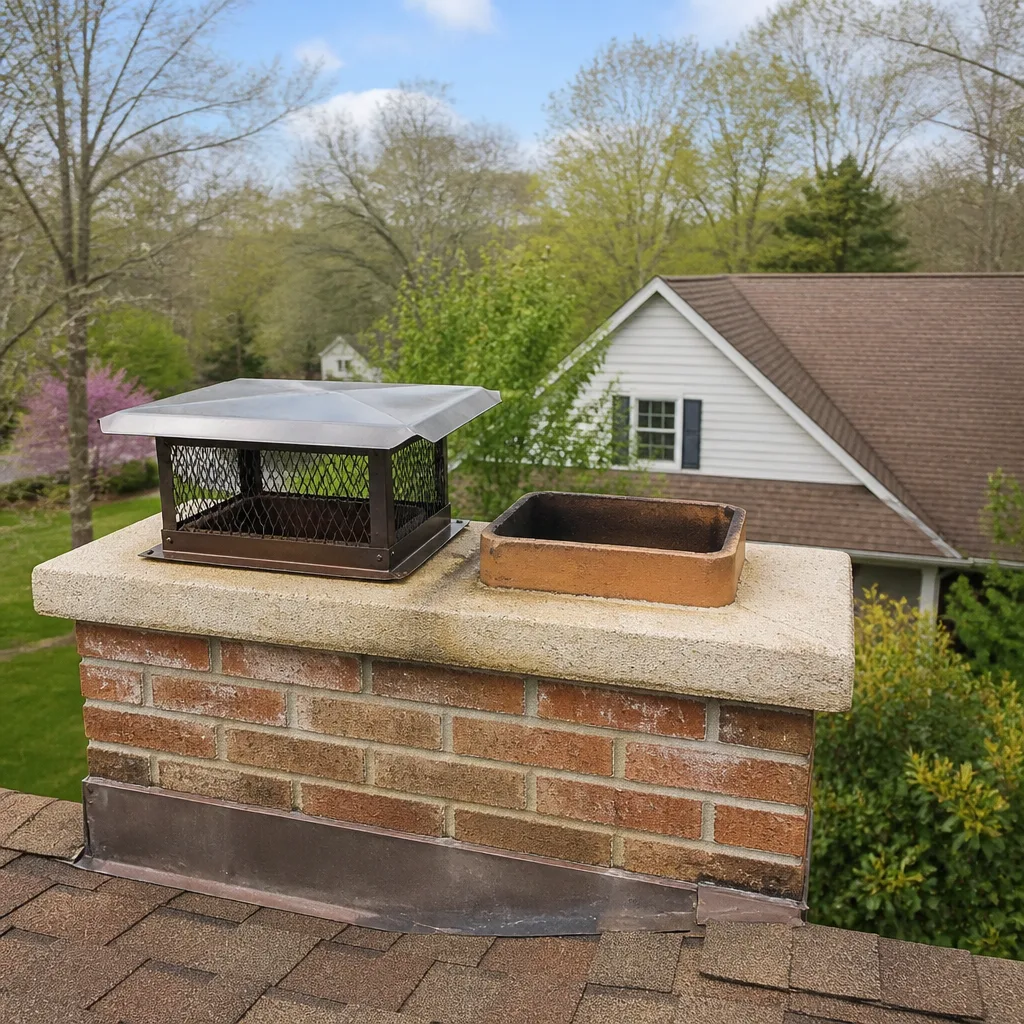 Sweep & inspection
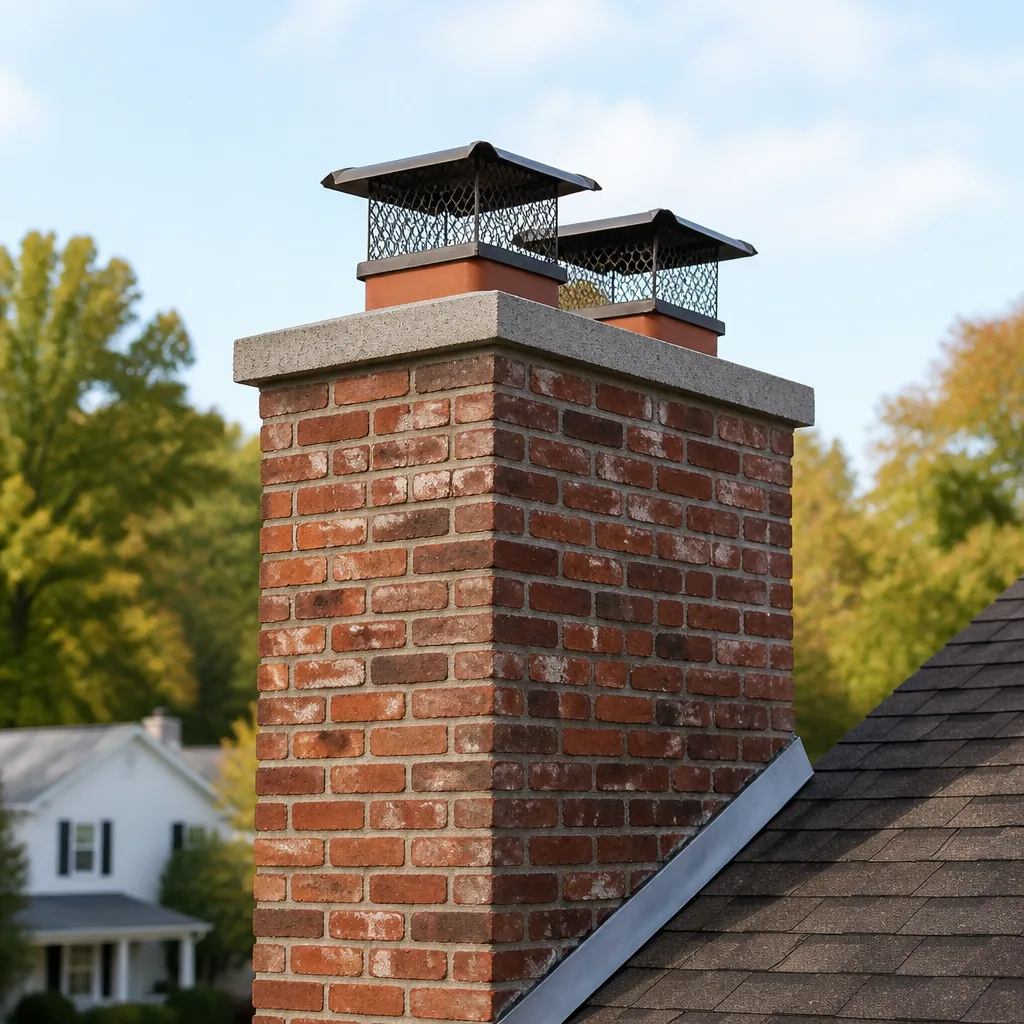 Caps & crowns
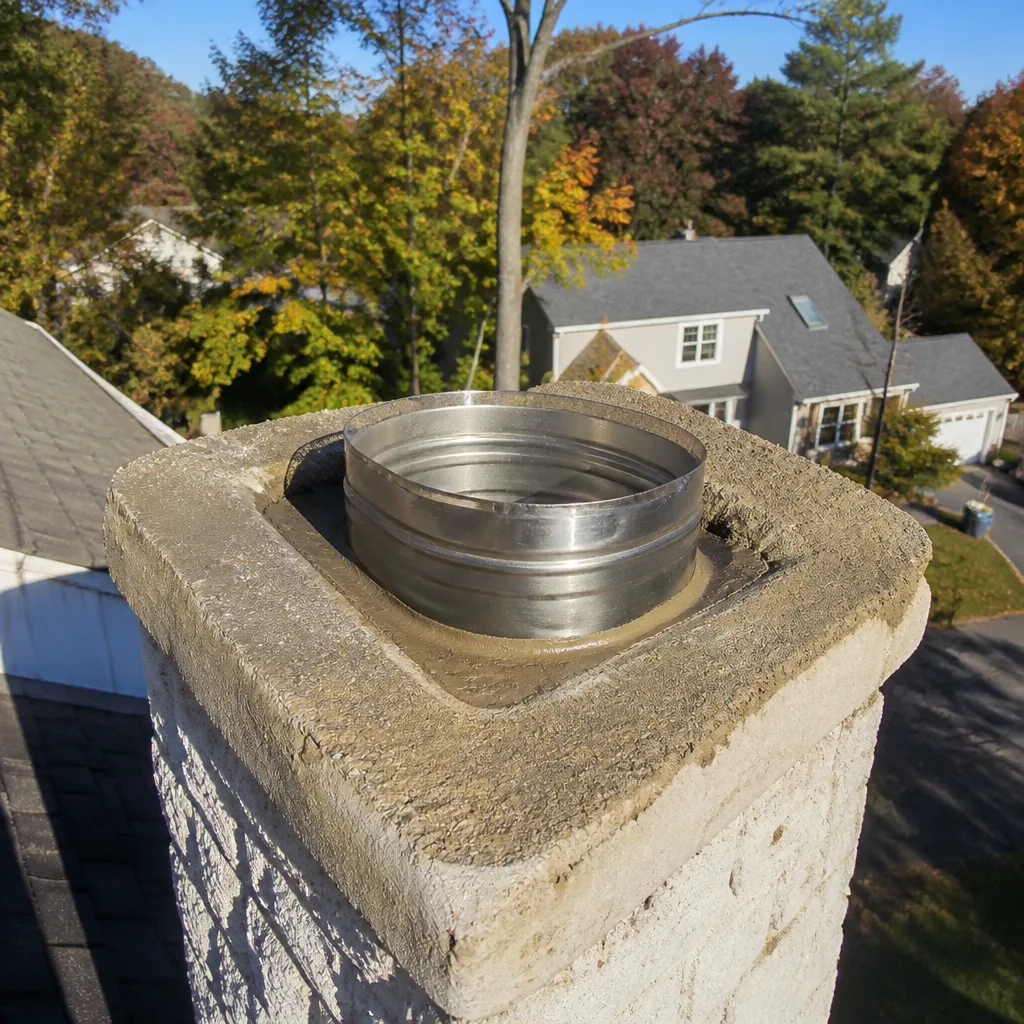 Flue relining
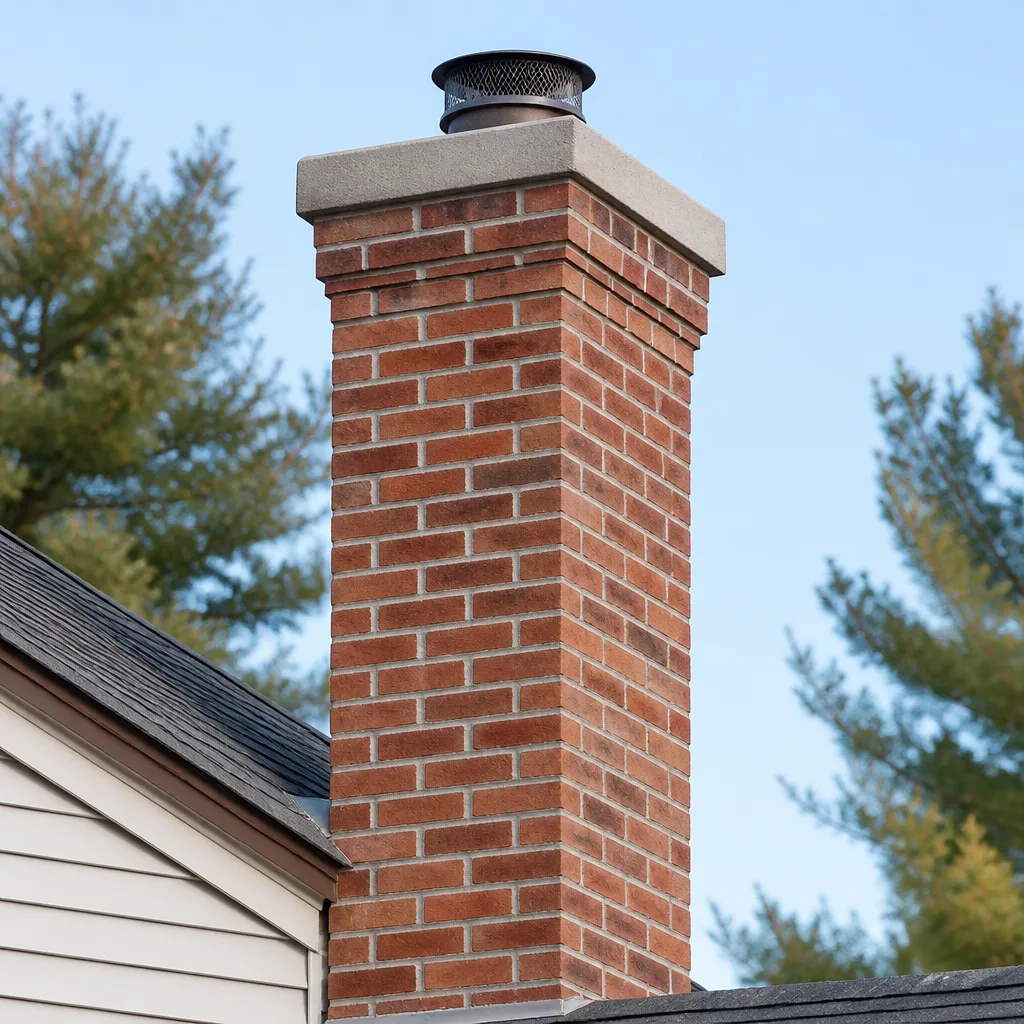 Masonry repair
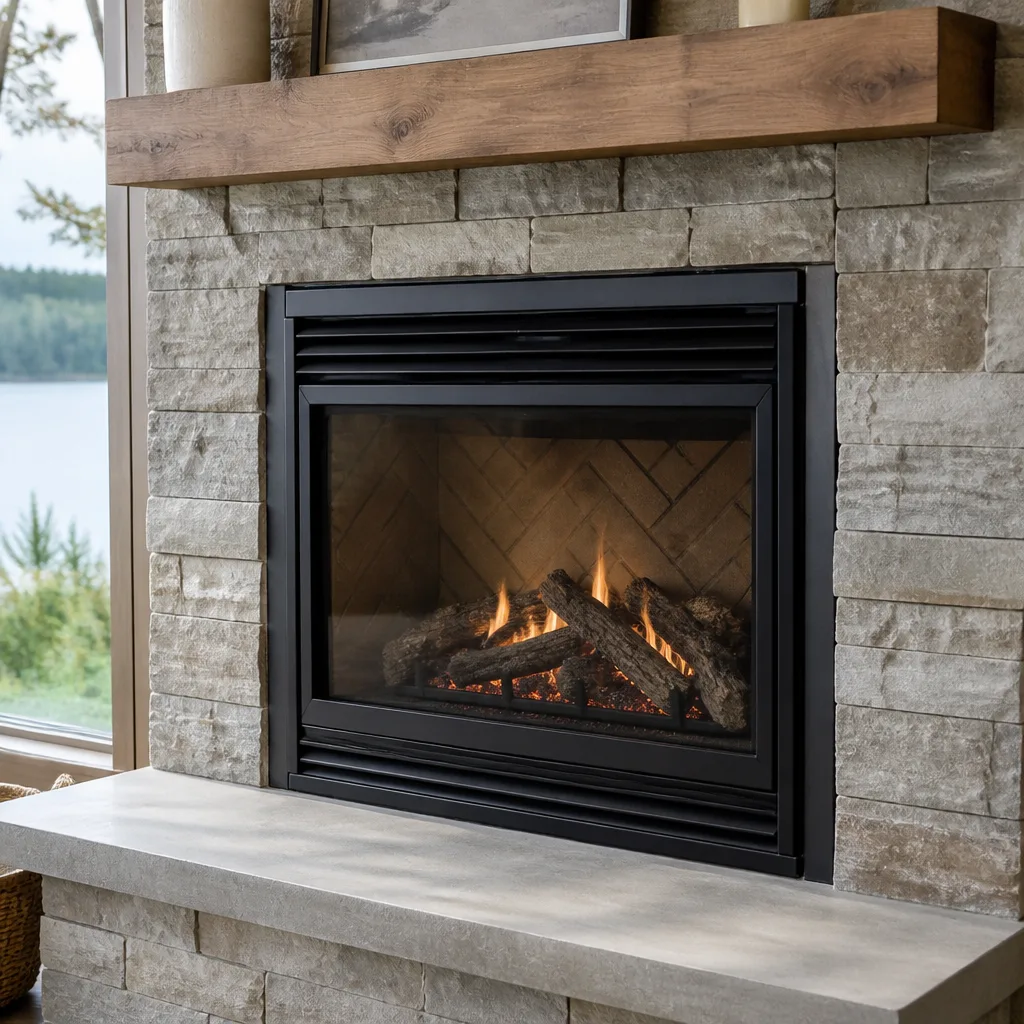 Gas fireplace service
Level 1 sweep and inspection to the NFPA 211 annual standard - flue, crown, cap, and flashing checked and photographed
Chimney sweep logs do not sweep chimneys. They loosen some creosote - which then falls where a brush and vacuum still have to collect it.
Chimney Cleaning Warning Signs: A Scottsdale Homeowner’s Reference Guide
A white stain on the brick above your roofline isn’t a cosmetic issue. It’s efflorescence, which means water is moving through the masonry and evaporating on the surface, and the mortar joints behind it are likely already compromised. The same pattern shows up again and again in Scottsdale: a warning sign gets read as “just how the chimney looks” until the underlying problem has had another season to grow. This guide maps what you’re actually seeing to the mechanical cause underneath it. By the end you’ll know which signs mean stop using the fireplace, which can wait for a scheduled inspection, and how to tell a creosote problem from a moisture problem from an animal one.
Quick Answer
The main chimney cleaning warning signs are a strong sour or smoky odor even when the fireplace is cold, black glaze on the flue walls, smoke rolling back into the room, a rusted or stiff damper, white staining on exterior masonry, and spalling brick or crumbling mortar. Any of these means the chimney needs a professional inspection before you burn again. Glazed creosote, smoke entering the living space, and a cracked flue liner are stop-using signs; surface soot, a sticking damper, and exterior staining can usually wait for a booked inspection.
Styles & brands we work with
- Sweep & inspection
- Caps & crowns
- Flue relining
- Masonry repair
- Gas fireplace service
Table of Contents
- Symptom-to-Cause: What Each Sign Is Telling You
- Creosote Odor vs. Mold Odor vs. Animal Odor: Telling Them Apart
- Reading Your Exterior Chimney: Flashing Failure vs. Crown Cracking
- Draft Problems Decoded: Smoke, Dying Fires, and Cold Downdrafts
- Stop Using the Fireplace vs. Can Wait for Inspection
- Understanding Creosote Stages in a Desert Climate
- A Scottsdale Seasonal Checklist Before Burning Season
- What a Proper Inspection Documents
Symptom-to-Cause: What Each Sign Is Telling You
Most of what goes wrong inside a chimney announces itself on the outside first. The trick is knowing which surface sign corresponds to which internal failure. Here’s how we read the common ones in Scottsdale homes.
- White staining on exterior masonry (efflorescence) – Water is entering the masonry, dissolving salts, and evaporating them on the surface. It points to failed flashing, a cracked crown, or porous brick taking on moisture. It’s the earliest reliable moisture indicator you’ll get.
- Spalling brick (faces flaking or popping off) – The brick has absorbed water, and the freeze of evaporation and re-wetting has broken the face. Spalling means the masonry is already damaged, not just damp.
- Crumbling or sandy mortar joints – The mortar is eroding from moisture cycling and age. Once joints recede, water gets in faster and the problem accelerates.
- Rusted damper plate or firebox hardware – Moisture is sitting in the firebox and damper area, usually from a chimney that isn’t shedding water properly or a flue that’s open to rain.
- Stained or darkened firebox ceiling – Smoke is backing up rather than going up. It points to a draft problem, an obstruction, or a flue that’s undersized for the firebox opening.
- Glossy black flue walls – Glazed creosote. This is the dangerous stage, and it doesn’t brush off like soot.
None of these are cosmetic. Each one names a specific mechanical condition, and each one has a different fix. That’s why we document what we find before we recommend anything. In a Scottsdale Chimney Sweep inspection, the photo record of these signs matters as much as the sweep itself.
Creosote Odor vs. Mold Odor vs. Animal Odor: Telling Them Apart
Your nose is a diagnostic tool, but only if you can tell the smells apart. Homeowners in Scottsdale often describe all three as “a chimney smell.” They’re three different problems with three different fixes.
Creosote odor
A sharp, sour, smoky smell that gets stronger in hot weather or when it’s humid is almost always creosote. The residue on the flue walls is re-emitting volatiles. It means the flue has accumulated enough buildup to need a proper chimney sweep, and in a desert climate the smell is worst in the shoulder seasons when the house is closed up and warm.
Mold and mildew odor
A musty, damp, basement-like smell points to moisture trapped in the masonry or the firebox, not to combustion residue. In Scottsdale this usually traces back to a crown crack, failed flashing, or a chimney that’s taking on rain because the cap is missing or damaged. Sweeping won’t fix it; you have to find and stop the water first.
Animal intrusion odor
A musky, ammonia-like, or distinctly “animal” smell, often with scratching or fluttering sounds, means birds, squirrels, or other wildlife are inside the flue. A missing or loose cap is the usual entry point. Do not light a fire to “clear it out” – you need the animal removed and the flue checked for nesting material before anything burns.
When you call, tell us which smell you’re noticing and when it’s strongest. That one detail points the technician toward the right test before they arrive.
Reading Your Exterior Chimney: Flashing Failure vs. Crown Cracking
Many Scottsdale homes have a stucco chimney chase rather than exposed brick, and stucco hides water problems in its own way. Two failures look similar from the ground but need different repairs, so it pays to know what each looks like.
Failed flashing
Flashing is the metal that seals the joint where the chimney meets the roof. When it fails, you’ll typically see staining or discoloration on the stucco just below the roofline, dark streaks running down the chase, or rust at the flashing itself. Inside, you might get a damp smell or a water stain on the ceiling near the chimney. Flashing failure lets water in at the roof line, so the leak often shows up lower than you’d expect.
Cracked crown
The crown is the concrete cap at the very top of the chimney. When it cracks, water runs straight down into the flue and masonry from above. On a stucco chase you’ll see a hairline or larger crack across the top surface, sometimes with efflorescence blooming on the crown or the upper chase. The interior result is often a rusted damper or a damp firebox rather than a ceiling stain.
The distinction matters: flashing repair is a roofing-adjacent job, crown repair protects the top of the flue, and both can feed the same moisture problems deeper in. Our technicians have up to experience reading these two failures apart, and we treat the whole chase as one system rather than chasing a single symptom.
Draft Problems Decoded: Smoke, Dying Fires, and Cold Downdrafts
“Airflow issues” is a phrase that hides more than it explains. In practice, the draft symptoms Scottsdale homeowners describe trace back to a handful of specific mechanical causes. Here’s the decode.
- Smoke rolls into the room when you light a fire. Usually a flue that’s too small for the firebox opening, a partially blocked flue, or a pressure imbalance in a tightly sealed house. It is not something to “burn through.”
- The fire dies down instead of catching. A weak or reversed draft is starving the fire of air. Causes range from a cold flue to an obstruction to a damper stuck partway closed.
- Cold air pours down when the fireplace is idle. A cold downdraft is air falling down an open flue. A correctly sized cap and damper improve this; a missing cap makes it constant.
- Smoke seeps out even when the fire is burning well. That often means a cracked flue liner is letting smoke escape into the chimney structure rather than up the flue. This is a stop-and-inspect symptom.
- A smell of smoke with no fire. Backed-up creosote or a blockages letting flue gases migrate back into the room; treat it as a reason to inspect before your next burn.
A draft complaint is really a question about the pressure and geometry of the whole system, and the answer is measurable, not guessable. If your fire dies quickly or smoke won’t leave the room, stop burning and book an inspection rather than trying different fire-lighting methods.
Stop Using the Fireplace vs. Can Wait for Inspection
Not every warning sign carries the same urgency. Being able to sort them is what lets you keep your home safe without panicking over a cosmetic issue. Here’s how we split them.
Stop using the fireplace and call for inspection
- Goose-necked or glazed black creosote on the flue walls
- Smoke entering the living space while the fire burns normally
- Any sign of a cracked or damaged flue liner
- A strong chemical or burning smell unrelated to the fire
- Visible nesting material or an animal still inside the flue
- Soot or smoke stains appearing on the chimney exterior or the wall near the firebox
These point to conditions where combustion gases or fire can move where they shouldn’t. Do not light a fire until a technician has inspected the flue.
Can wait for a scheduled inspection
- Light surface soot visible in the firebox
- A damper that sticks or is stiff to operate
- Efflorescence or localized exterior staining that appears stable
- A faint creosote odor with no smoke problem
- Spalling or mortar needing repair but not currently leaking
These still deserve attention, but they aren’t reasons to suspect an active hazard. Book an inspection and let the technician tell you what the camera shows. A pre-season sweep in Scottsdale is far easier to schedule than a mid-winter repair.
Understanding Creosote Stages in a Desert Climate
Creosote is the residue left behind by burning wood, and it builds in recognizable stages. Scottsdale’s climate doesn’t eliminate creosote buildup, but it does change the timeline. Hot, dry days followed by cool evenings push many homeowners to burn harder and more often in short bursts, and short hot burns with limited air can deposit more creosote than a steady fire would.
Stage 1: Soot and light flaky creosote
A thin, dry, flaky deposit that brushes away easily. This is routine buildup and one reason a regular chimney sweep matters. You won’t see this from the room, so it’s discovered during cleaning.
Stage 2: Porous, crusted creosote
Thicker and harder, sometimes with a bubbled texture. It still comes off with proper tools, but it’s a sign the burn habits or the wood moisture are contributing. Wet or unseasoned firewood is a common cause.
Stage 3: Glazed, hardened creosote
Shiny, black, and tar-like. This is the stage most closely tied to chimney fire risk, and it doesn’t brush off. Removing it takes mechanical or chemical treatment by a trained technician. If you see it on the flue walls, treat it as a stop-using condition.
The honest way to know what stage you’re at is to look. That’s what the camera and the photo report are for. We document what we find and show you the images before recommending any treatment, so you can see the buildup for yourself.
A Scottsdale Seasonal Checklist Before Burning Season
Most chimney problems build over months and choose the first cold evening to announce themselves. Running a short pre-season check in Scottsdale each autumn gives you time to fix anything before you actually need the fireplace.
- Check the exterior. Look for white staining, cracks in the crown, spalling brick, and any discoloration where the chimney meets the roof.
- Test the damper. Open and close it fully. It should move without force and completely close, sealing the flue when the fireplace is idle.
- Look up the flue. From the firebox, use a light to check for obvious blockages, nesting material, or heavy buildup.
- Smell the firebox. A sour creosote smell, a musty moisture smell, or an animal smell each point to a different problem.
- Check the cap and spark arrestor. A loose or missing cap is the main entry point for wildlife and rain, and it’s a quick fix compared to the damage it prevents.
- Confirm your firewood is dry. Moisture is a creosote contributor, so seasoned wood is part of the system, not an afterthought.
- Book the sweep and inspection. Don’t wait for the first cold snap, when everyone remembers their chimney at once.
We treat the chimney as a system, so this checklist covers the whole assembly and not just the flue. If any single item raises a question, that’s the right time to schedule an inspection rather than to keep guessing.
What a Proper Inspection Documents
A useful chimney inspection is a record, not a conversation. By the time the technician leaves, you should have evidence you can see and findings you can understand, and you should never feel that a repair was decided for you in advance.
- Camera footage of the flue interior. The flue liner, joints, and any buildup should be on camera so you can watch it too.
- The condition of the crown, flashing, and cap. These are where most Scottsdale water problems start.
- Creosote stage and location. Not just “dirty” but what stage and where in the flue.
- The firebox and damper. Hardware condition, gaskets, and whether the damper seals properly.
- The firebox opening versus flue size. A mismatch is one of the most common hidden causes of draft problems.
- A written summary with photos. So you can compare findings over time and make decisions without relying on memory.
When repair is recommended, we should be able to show you why. A single-trade chimney specialist carries the same professional-grade product lines used across the industry, including Famco and Copperfield components and DuraFlex flexible liner systems plus HeatShield resurfacing for liner repair, so the fix matches the finding rather than being shaped around whatever was on hand. Ask us which liner or cap we’re using and why – we’ll tell you exactly.
Common Mistakes to Avoid
- Reading efflorescence as a paint or cosmetic problem. White staining means water is moving through the masonry right now. Repainting over it hides the evidence and traps the moisture.
- Burning a hot fire to “clean” the flue. This can ignite glazed creosote instead of removing it. The fix is mechanical cleaning, not a hotter burn.
- Waiting until the first cold snap to book a sweep. In Scottsdale the whole valley remembers its chimney within the same two weeks, and the wait is longer. Book before heating season, not during it.
- Skipping the cap because the fireplace is only used occasionally. An open flue is a standing invitation to birds, squirrels, and rain, whether you’re burning or not.
- Hiring a general handyman to “just sweep it.” A sweep without an inspection misses the warning signs this guide covers. The two services belong together.
- Trusting an odor to fade on its own. Creosote and moisture smells don’t resolve without a source fix, and masking them only delays the inspection that would find the cause.
- Assuming a stucco chase means a protected chase. Stucco fails at the crown and flashing like anything else. Inspect it on the same schedule as the interior.
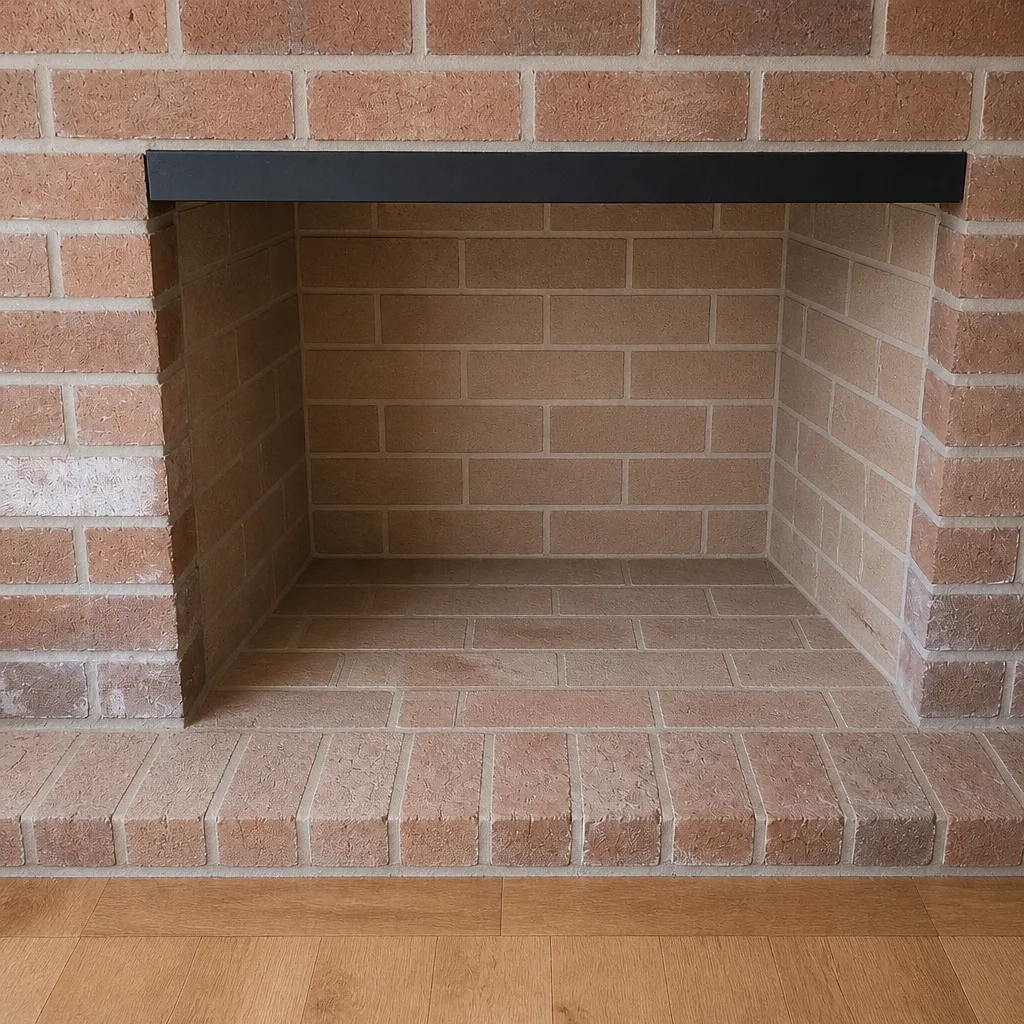
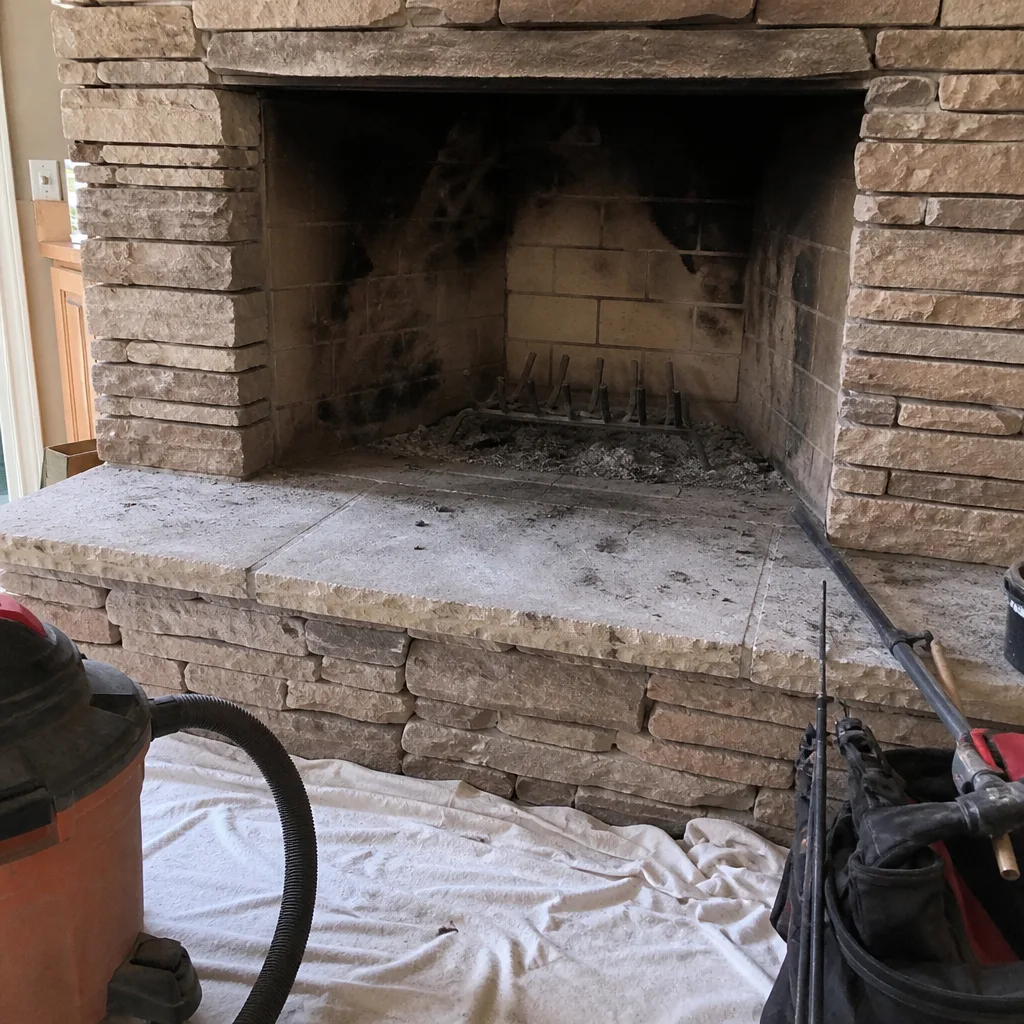
See the difference
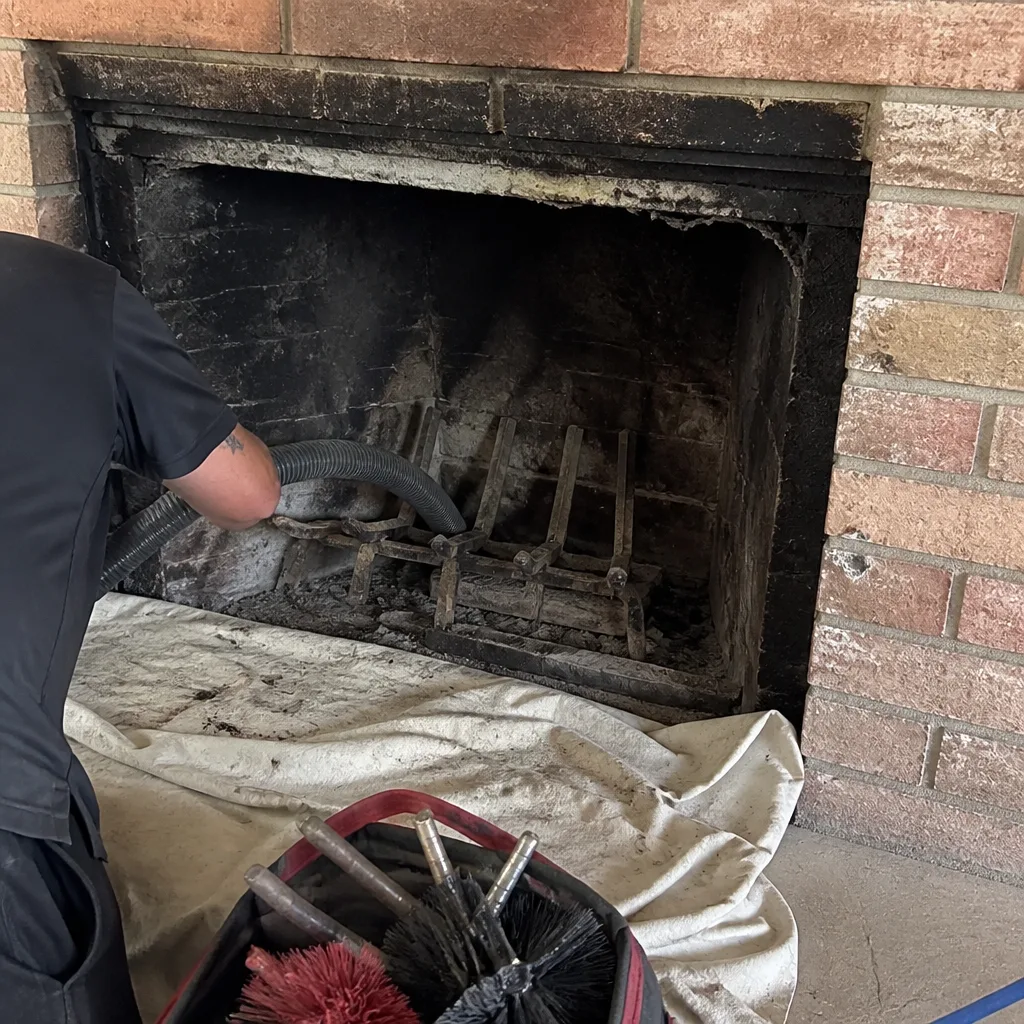 Before
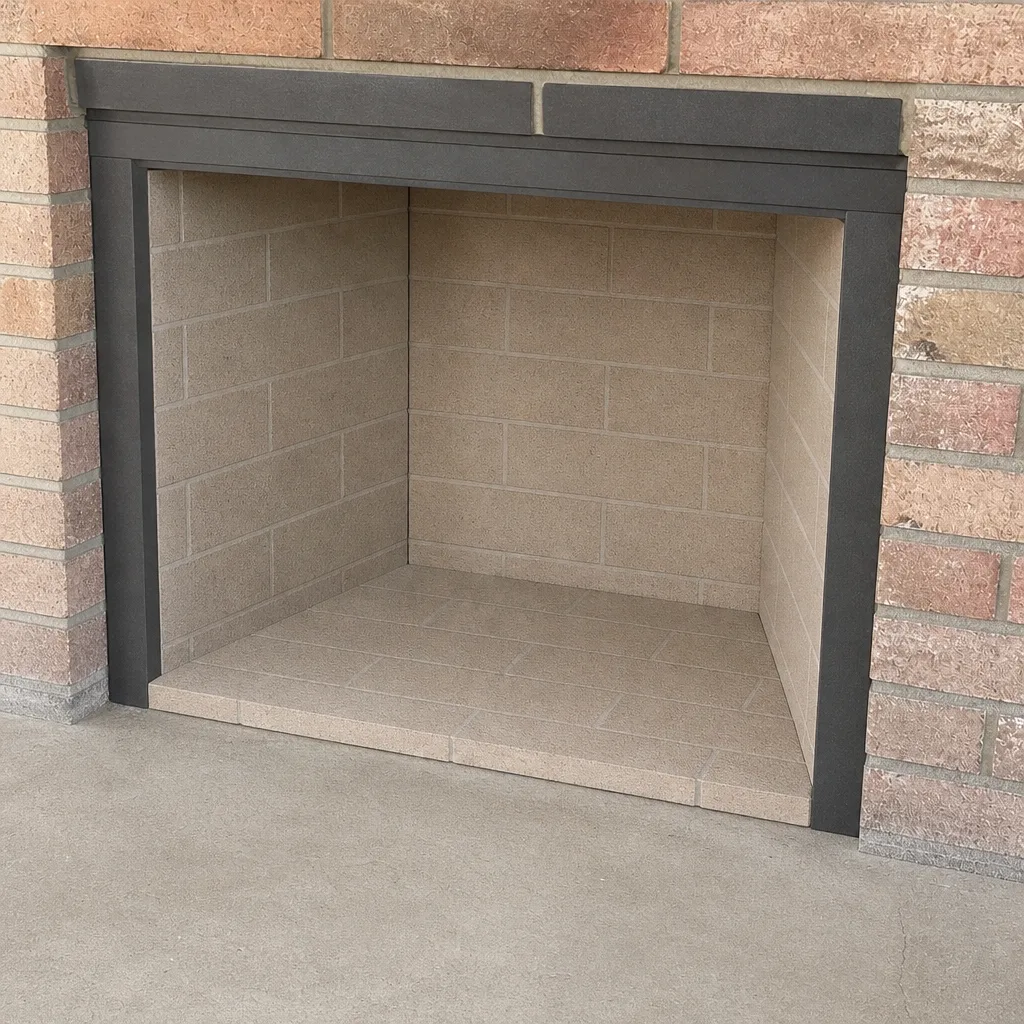 After
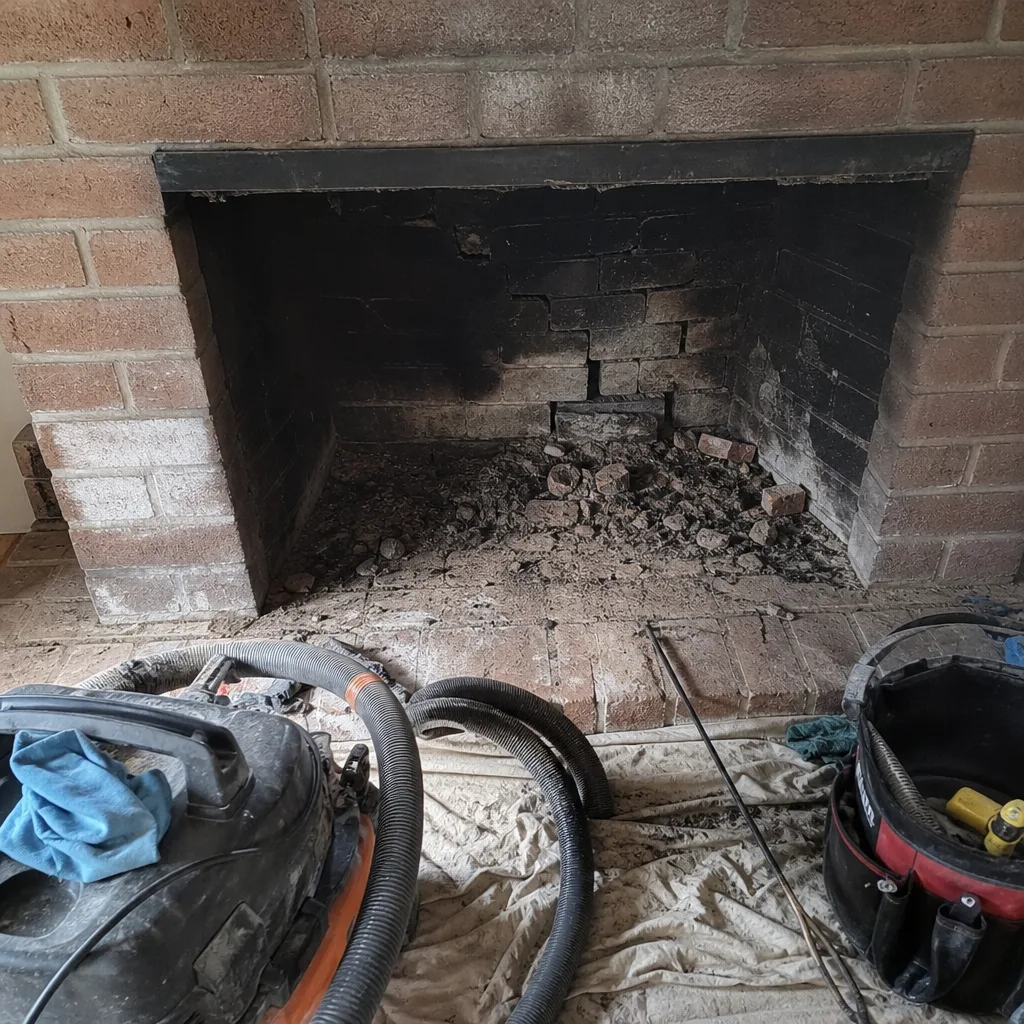 Before
 After
 Before
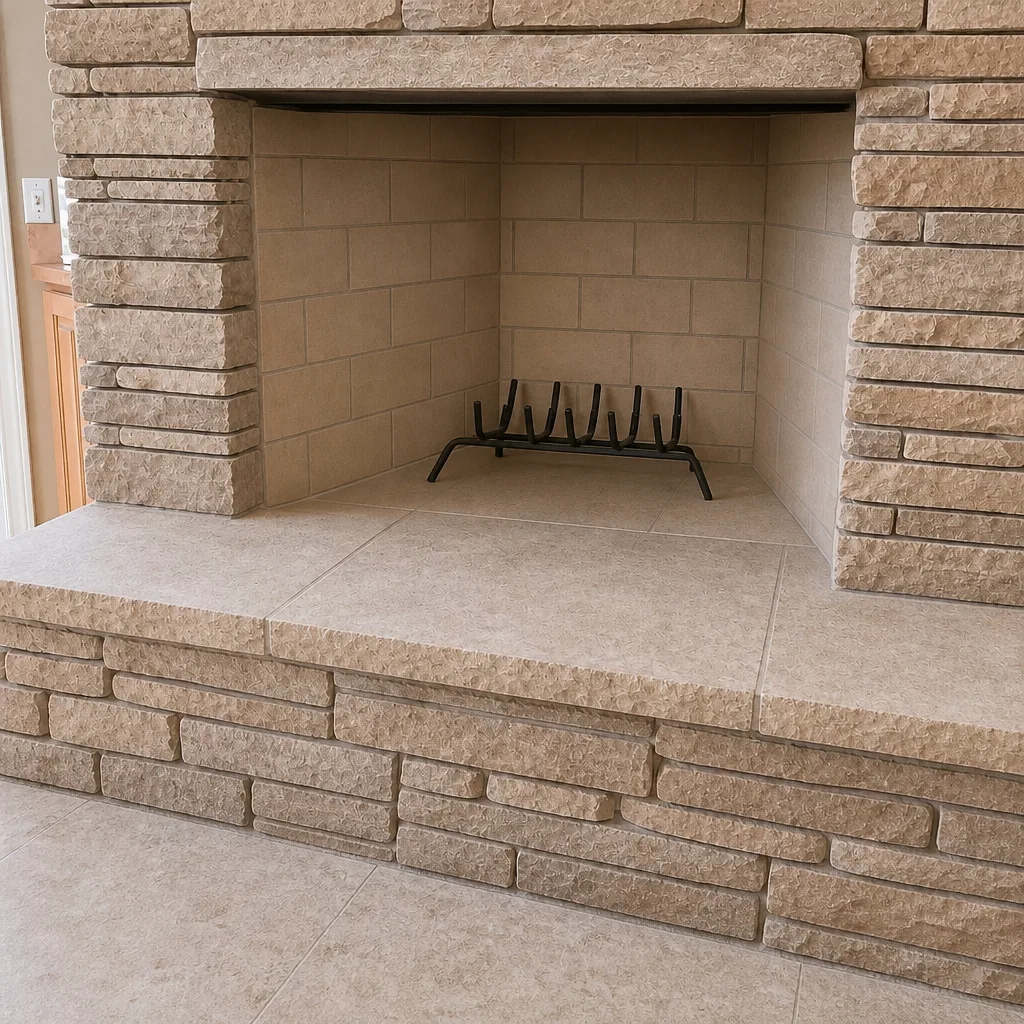 After
When to Call a Professional
Call us when you find any stop-using sign from this guide, when you notice a smell you can’t place, when you’re seeing exterior staining or spalling you can’t explain, or when it’s simply been long enough since the last documented inspection that you can’t answer the question, “when was this last checked?” The same applies after any structural work or a chimney that’s changed how it drafts. Scottsdale Chimney Sweep offers free estimates in Scottsdale – call (888) 340-2124. We answer 24/7. Fast dispatch from 7am to 7pm, Sunday through Friday. A call outside dispatch hours is booked into the next opening. Chimney repair decisions belong on the evidence, and we’d rather show you what we found than tell you what to think.
Frequently Asked Questions
The earliest reliable signs are a sour, smoky odor when the fireplace is cold, light soot or a black flaky coating on the flue walls, a damper that sticks, and white staining or spalling on the exterior masonry. Any one of these means it’s time for a documented inspection. Call (888) 340-2124 for an exact quote – estimates are free.
Creosote smells sharp and sour and gets stronger in warm, humid weather; mold smells musty and damp; animal intrusion smells musky or ammonia-like, often with scratching or fluttering sounds. Each points to a different problem. Call (888) 340-2124 for an exact quote – estimates are free.
Stop when you see glazed black creosote on the flue, smoke entering the room while the fire burns normally, any sign of a cracked liner, or nesting material you can’t remove. These mean combustion gases or fire can move where they shouldn’t. A booked inspection before you burn again is the right next step. Call (888) 340-2124 for an exact quote – estimates are free.
Flashing failure usually shows up as staining or rust just below the roofline with possible interior ceiling stains; crown cracking shows as a crack across the very top of the chimney with efflorescence on the crown and dampness lower in the flue. Call (888) 340-2124 for an exact quote – estimates are free.
No. Low humidity doesn’t stop creosote from forming, and short, hot fires with limited air can deposit more of it. The signs are the same in Scottsdale as anywhere else, and buildup is visible only with a camera. Call (888) 340-2124 for an exact quote – estimates are free.
Creosote and moisture damage don’t pause. Buildup moves toward the glazed stage, moisture keeps working at the masonry and liner, and what would have been a routine chimney repair may become a liner replacement later. Wait only after an inspection says it’s safe to. Call (888) 340-2124 for an exact quote – estimates are free.
The Bottom Line
Chimney problems in Scottsdale announce themselves early. White staining, spalling brick, a rusted damper, a stained firebox ceiling, a shifting smell, or a fire that won’t draft are all specific mechanical signals, not cosmetic quirks. Know which ones mean stop and which mean schedule, act before the first cold snap, and make sure every recommendation is backed by camera evidence you can see for yourself. A chimney is a system, and this guide treats it as one. When you’re ready for a documented inspection and a free estimate, call Scottsdale Chimney Sweep at (888) 340-2124.
Written by the team at Scottsdale Chimney Sweep.