
Last updated November 15, 2026
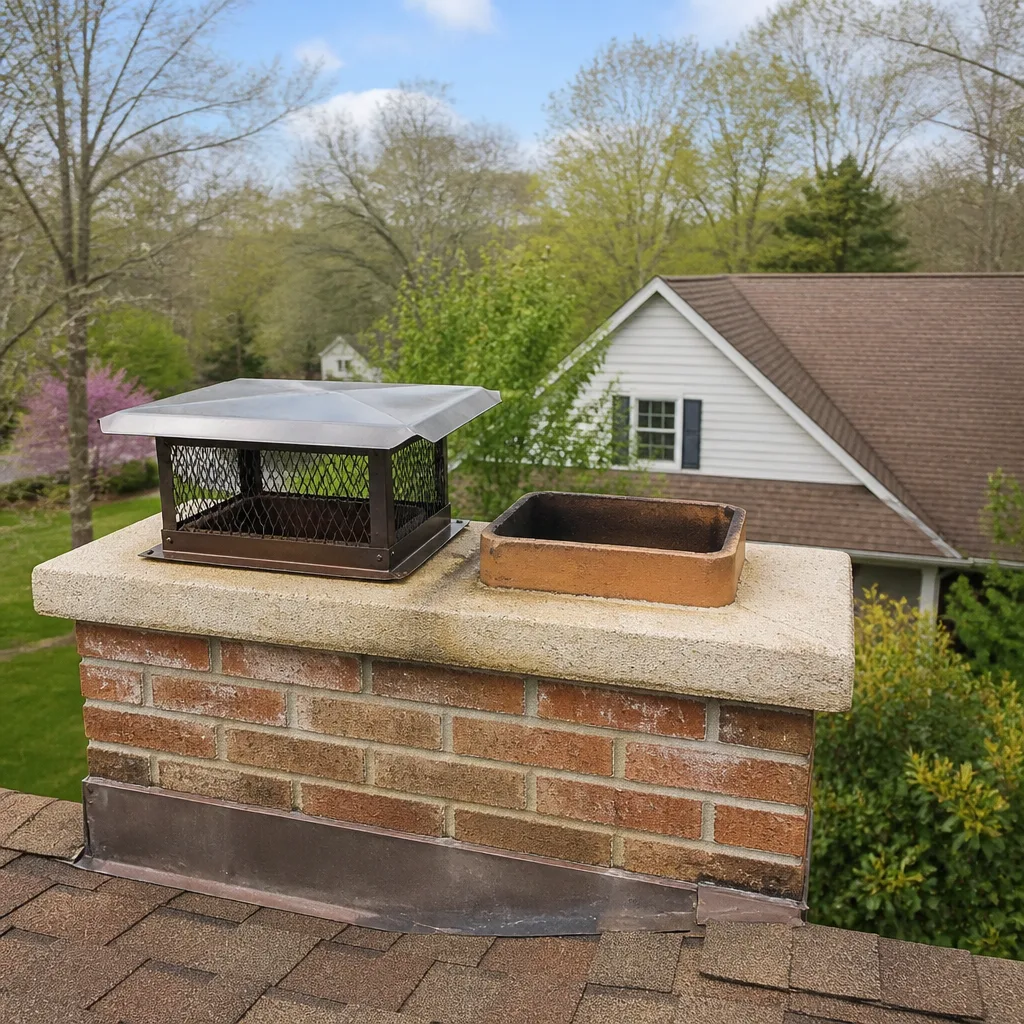 Sweep & inspection
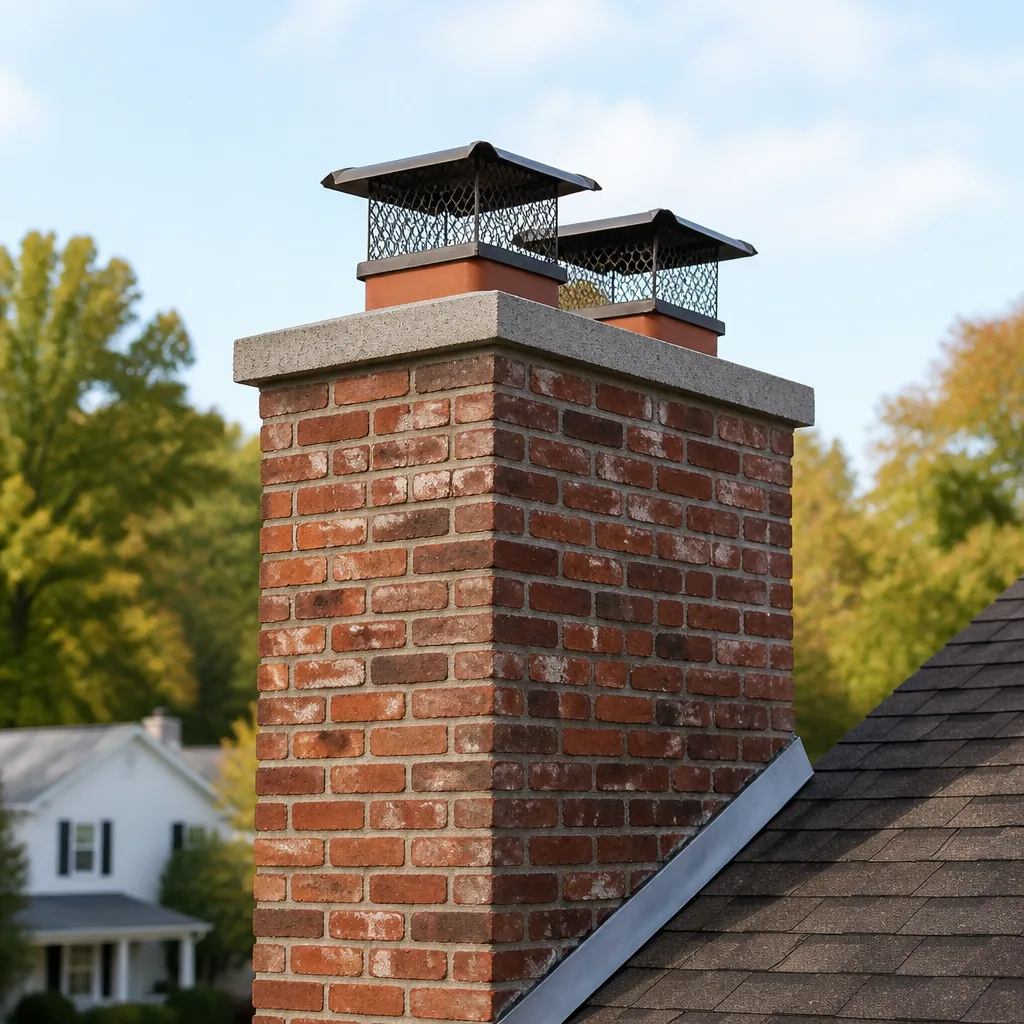 Caps & crowns
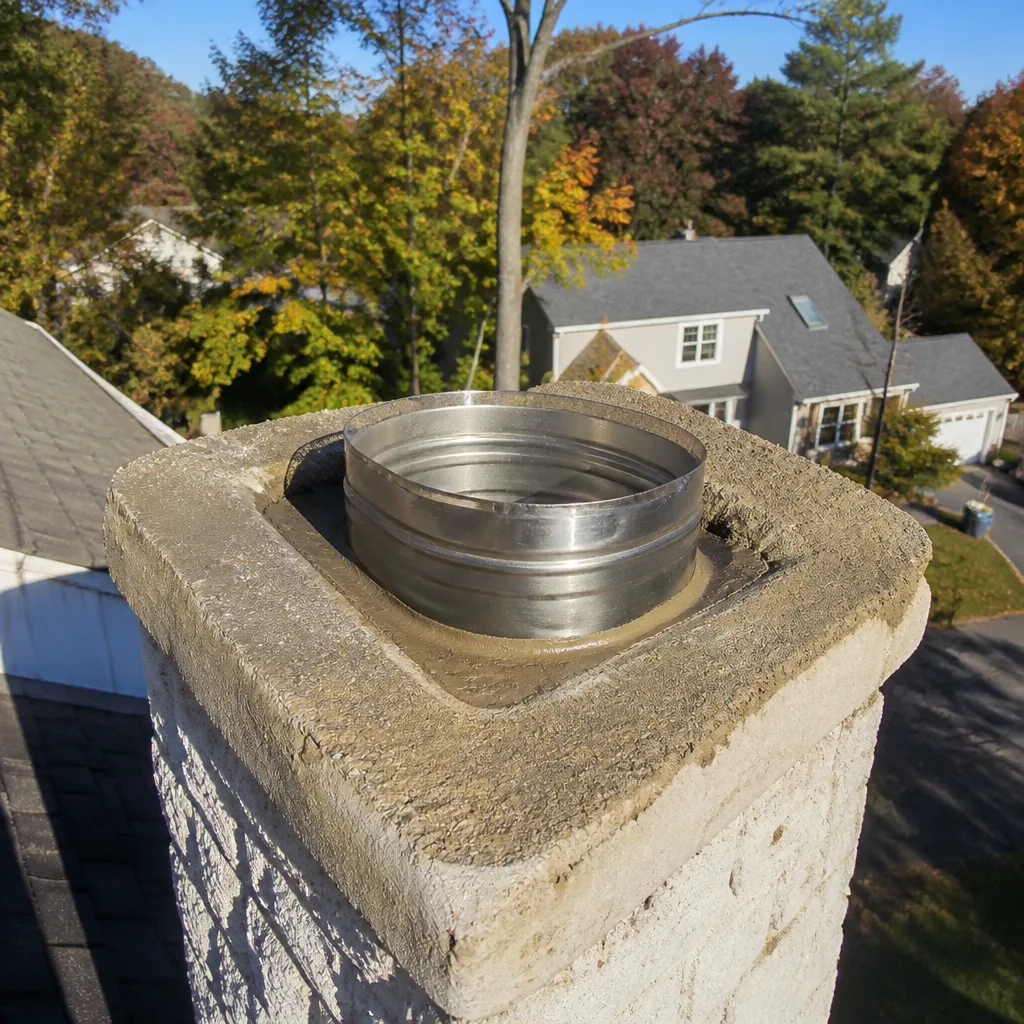 Flue relining
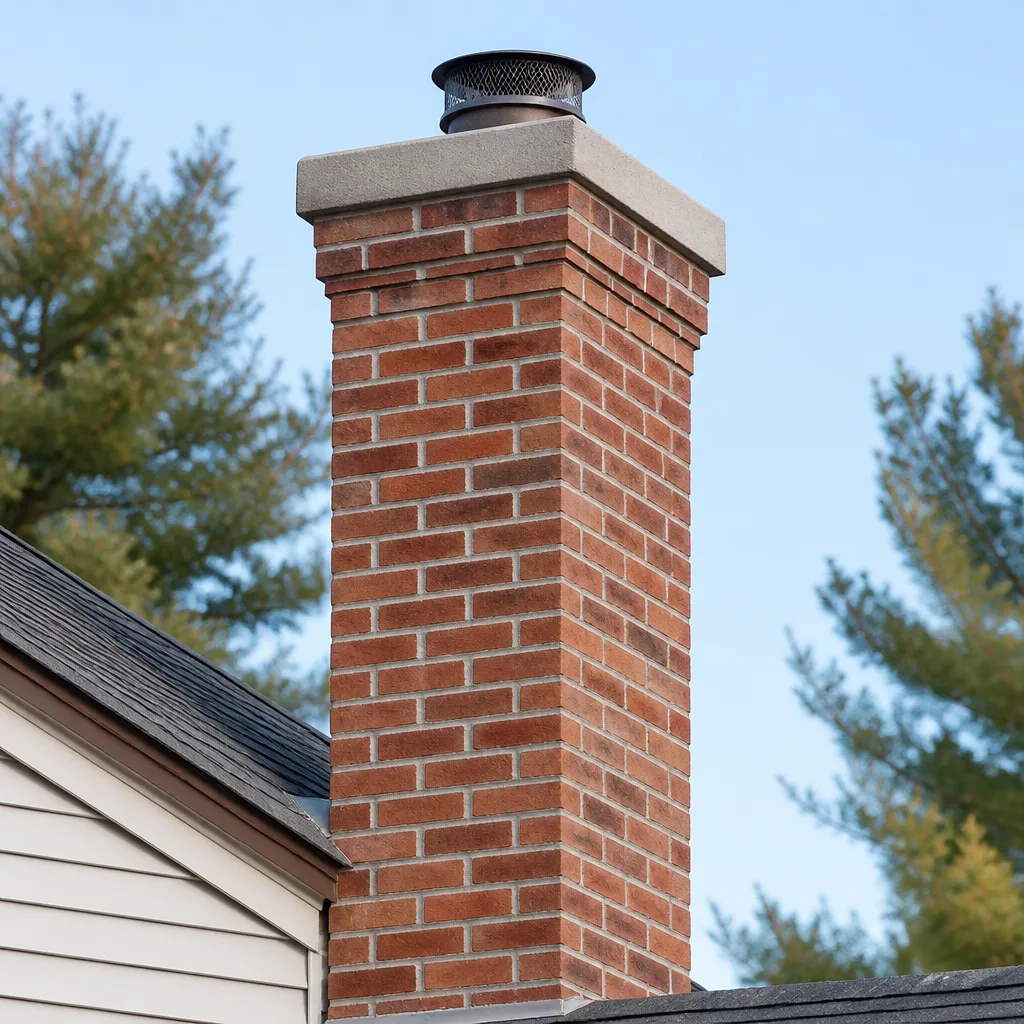 Masonry repair
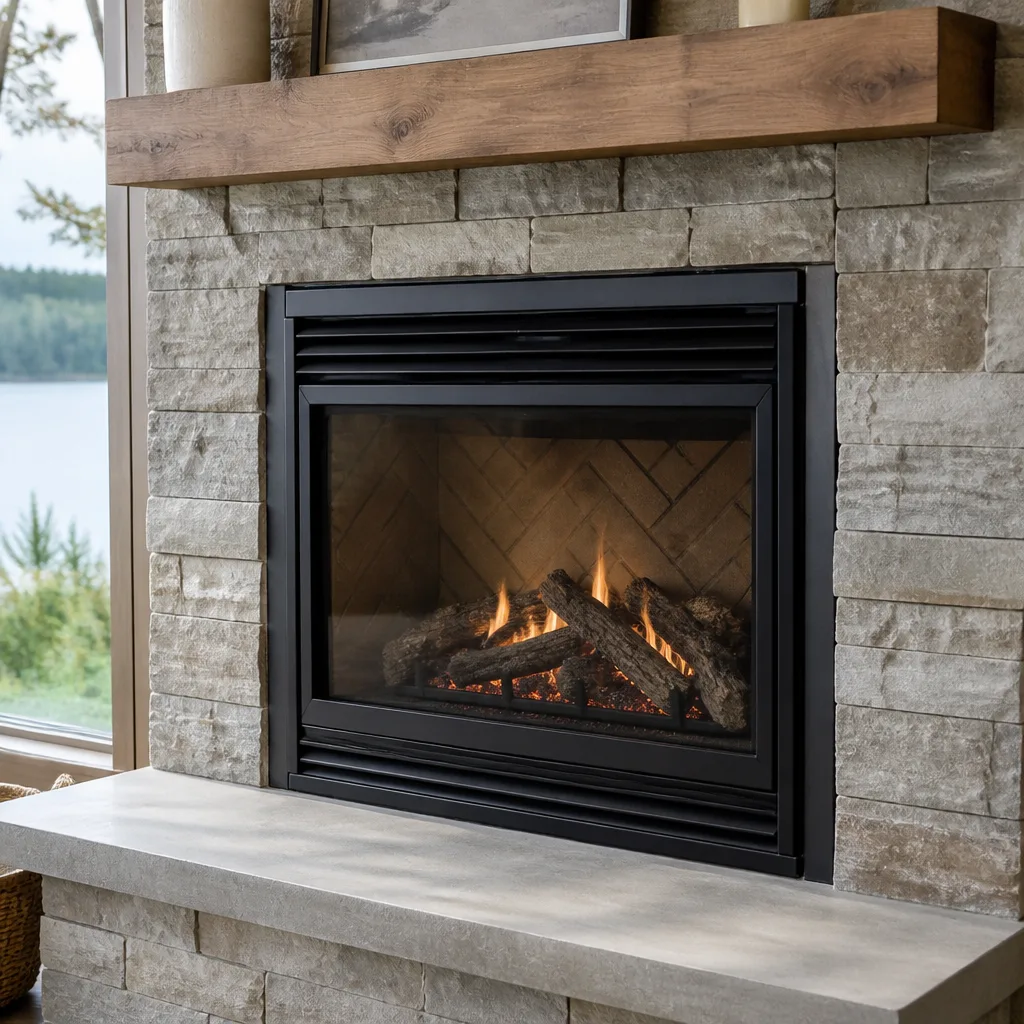 Gas fireplace service
Level 1 sweep and inspection to the NFPA 211 annual standard - flue, crown, cap, and flashing checked and photographed
Chimney sweep logs do not sweep chimneys. They loosen some creosote - which then falls where a brush and vacuum still have to collect it.
Choosing the Right Chimney Cleaning Brand: A Buyer’s Guide for Scottsdale
The most important product decisions on your chimney often happen before anyone climbs a ladder. Most homeowners assume a cleaning is just a brush and a shop vac, then hand over a card without asking what gets applied afterward. Here’s the part that surprises people: the sealers, creosote treatments, crown coatings and liner materials a contractor chooses vary widely in formulation and durability, and that choice decides whether a repair lasts years or fails in a season. Scottsdale’s heat and intense sun put those products to a real test.
This guide shows you how to read a contractor’s material choices, what each professional product line is actually designed to address, and the questions that separate a technical chimney specialist from a generalist. You’ll finish knowing exactly what to ask.
Quick Answer
The right chimney cleaning brand is the one whose products match the specific job: a vapor-permeable water repellent like ChimneySaver for masonry, HeatShield for liner resurfacing, and correctly formulated creosote treatments for your buildup level. In Scottsdale, the biggest red flag is a contractor applying a generic hardware-store masonry sealer where a vapor-permeable chimney product is needed. Ask which product they’re specifying and why before the work begins.
Styles & brands we work with
- Sweep & inspection
- Caps & crowns
- Flue relining
- Masonry repair
- Gas fireplace service
Table of Contents
- Why the Products Matter More Than the Sweep
- What the Professional Product Lines Actually Do
- Why Vapor Permeability Matters on a Scottsdale Chimney
- Creosote Treatments: Preventative vs. Reactive
- How to Verify a Contractor Is Using What They Bill For
- Products You Should Not Apply Yourself
- Questions to Ask Before You Book
- Common Mistakes to Avoid
- When to Call a Professional
Why the Products Matter More Than the Sweep
A chimney sweep looks like the whole job. It isn’t. Sweeping clears the flue, and that matters for fire safety. But the products applied after the sweep, or specified during a repair, are what protect the masonry, the crown and the liner between cleanings. Chimneys are a system, and the coatings and sealers are the parts of that system exposed to the weather every day of the year.
In Scottsdale, that exposure is specific. Summer surface temperatures on a masonry chimney climb high, then drop sharply after sundown. Through the cooler months the fireplace gets used regularly and the masonry cycles between warm and cool again. Any product you put on the exterior or the crown has to handle that movement without cracking, peeling or trapping moisture underneath. A material that performs in a mild, humid climate can behave completely differently here.
What we’ve found over years of chimney work is that most premature repairs trace back to a product choice, not a workmanship failure. Someone sealed the crown with the wrong coating. Someone parged a smoke chamber with a compound not meant for that application. Someone sold a “sealer” that locked moisture into the brick and accelerated the exact spalling it was supposed to prevent.
The good news is that these outcomes are predictable when you know what to look for. The rest of this guide walks through the professional materials, what they’re built to do, and how to confirm a contractor is using the one the job actually calls for. That’s the difference between maintenance and a repair that comes back to haunt you.
What the Professional Product Lines Actually Do
Technically rigorous chimney contractors work with a recognized set of product lines, each built for a distinct part of the job. Knowing what each one is for lets you evaluate whether a contractor is specifying correctly.
HeatShield is the chimney industry’s leading liner resurfacing system. It’s a cast-in-place compound applied to deteriorated clay flue tiles to create a smooth, continuous lining without tearing out the chimney. It’s also used for smoke chamber parging, smoothing the rough step before it meets the flue so creosote and soot don’t collect there. HeatShield requires trained applicators; it isn’t a product a generalist can hand-apply correctly, and the substrate has to be clean and dry for it to bond.
Saver Systems / ChimneySaver produces vapor-permeable water repellents and crown coatings formulated specifically for chimney masonry and crowns. These are designed to shed water while letting the chimney breathe, and to hold up under thermal cycling. This is the line that matters most for Scottsdale’s sun-exposed masonry.
Rutland is well known for creosote treatments, fire-starting products and chimney cleaning formulations. Their creosote products range from preventative additives used during regular burning to reactive removers for heavier buildup, and using the right one depends on what inspection finds.
Gelco, Olympia Chimney, DuraFlex and Famco supply the components that make up the liner and venting side of chimney work: flexible stainless liners, caps, top plates and connection parts. When a flue is mismatched, oversized for an appliance or deteriorated past resurfacing, a correctly sized flexible stainless liner is the fix.
Why Vapor Permeability Matters on a Scottsdale Chimney
ChimneySaver water repellent and a generic masonry sealer are not the same product, and treating them as interchangeable is one of the costliest mistakes we see. A vapor-permeable product lets moisture vapor escape from inside the masonry while blocking liquid water on the outside. A generic film-forming sealer traps that vapor, and trapped moisture is what drives spalling, efflorescence and, eventually, crumbling brick faces.
Why does this matter so much in Scottsdale? Because masonry on a chimney can hold moisture from several directions: absorbed during the summer monsoon season when rain hits the chimney, and drawn up from small leaks or condensation during the cooler months when the fireplace is used heavily. The sun then heats the chimney surface and vaporizes that moisture from behind. If the exterior is sealed with a non-breathable film, the vapor has nowhere to go. It pushes against the brick face from the inside, and the freeze isn’t needed for damage. The pressure of trapped vapor and repeated thermal expansion can be enough to flake brick and pop mortar joints over time.
Here’s how to bring this into a conversation with a contractor. When they tell you they’re sealing the chimney or the crown, ask two questions. First, which product exactly are they applying, and second, is that product vapor-permeable? A specialist will name the product, tell you it’s formulated for chimney masonry, and usually show you the label or the manufacturer documentation. A generalist will often say “a water sealer” without naming a brand, which is your cue to slow down.
This is one of the reasons we specify the product line we do. Professional-grade materials matter because the application is specific: a chimney crown sees heat, sun and rain on the same surface, and it needs a coating engineered for that, not a garden-variety masonry sealer.
Creosote Treatments: Preventative vs. Reactive
Creosote is the residue that builds up in a flue as wood burns, and it comes in forms ranging from light soot to a hard, glazed layer. How you treat it depends entirely on what inspection finds. That’s why an inspection-first approach matters: the treatment gets chosen from evidence, not from a default assumption.
The two categories to understand:
Preventative treatments are additives or products used alongside regular burning in a chimney that’s already reasonably clean. They can help slow how fast creosote accumulates and make it easier to remove at the next sweep. They aren’t a substitute for sweeping and they don’t clean a dirty flue.
Reactive removers are applied when there’s already significant buildup, often the harder or glazed variety that a brush alone won’t clear. These products work on the deposit itself, breaking it down so it can be removed safely. Some situations call for a chemical approach, some for a mechanical one, and some for a combination.
Two points worth knowing. First, a reactive remover is not something to spray and forget; it needs the right conditions and a proper follow-up sweep to clear the loosened residue. Second, the wrong product can make things worse, especially on glazed creosote that needs to be addressed carefully rather than disturbed. In our experience, this is exactly where a well-documented inspection earns its keep. We document what we find before we recommend anything, so you’re not asked to buy a treatment for buildup that could be handled with a straightforward chimney sweep.
For Scottsdale homeowners who burn regularly through the cooler months, the practical rhythm is a sweep at the end of the burning season or before the next one begins, with treatment chosen from what the flue actually looks like. No guessing, no upselling.
How to Verify a Contractor Is Using What They Bill For
The invoice says one product and the technician reaches for another. It happens, and most homeowners never know because they don’t have a way to check. The good news is that verification is straightforward if you know what to look for before, during and after the job.
Look at the label. For any sealer, coating or liner material applied to your chimney, ask to see the manufacturer’s label and the product name. A professional product has it printed clearly. If the contractor can’t or won’t show you, that’s a signal worth taking seriously.
Ask for manufacturer documentation. HeatShield, ChimneySaver and the liner systems all come with product literature. A specialist will be able to tell you what the product is rated for and hand over the documentation on request.
Confirm the substrate was prepared. Every coating and compound has a prep requirement. Crown coatings need a clean, dry surface before application. HeatShield needs a clean, dry substrate to bond. If the technician skips prep, the product won’t perform no matter how good it is.
Check the finished application. A properly applied crown coating should be uniform and fully cured to the manufacturer’s spec; a vapor-permeable sealer should still let water vapor pass without visible beading that suggests a heavy film. A resurfaced flue should look smooth and continuous, not streaked or uneven.
Ask for the inspection record. For any repair recommendation, the contractor should be able to show you what they found and why the product was chosen for that condition. We document what we find before we recommend anything, and we expect you to read it.
None of this requires technical knowledge. It requires the contractor to name the product, show you the documentation, and explain the prep and the finish. A specialist will welcome the questions. If someone gets defensive when you ask which liner or cap they’re using and why, you’ve learned something.
Products You Should Not Apply Yourself
Some chimney maintenance is genuinely fine to handle yourself: a simple visual check of the cap and crown, replacing batteries in a carbon monoxide detector, keeping combustibles away from the hearth. Others are not. A handful of professional products require preparation, training or conditions that simply aren’t available to a homeowner, and applying them yourself usually means doing the job twice or causing damage.
HeatShield liner resurfacing system. This requires specialized training to install correctly, and it must bond to a properly cleaned and dried flue. A failed application leaves an uneven surface inside the flue, which is worse than the problem you started with. Leave it to a trained applicator.
Smoke chamber parging compounds. These are masonry materials applied in a confined, hard-to-reach space with specific shaping. Getting them to bond and cure correctly takes the right prep and the right environment. This is a professional application.
Crown coatings. A crown coating only bonds when the substrate is clean and fully dry. If you coat over a damp or dusty crown, the coating will separate or fail quickly. The prep is the job, and it’s not a DIY task.
Reactive creosote removers. These need to be used in the right concentration for the right kind of deposit, then followed up with proper removal. Using them without understanding what’s in the flue can create a bigger mess and, in worse cases, a safety concern. If the flue has significant buildup, a professional should assess it first.
One more safety note that applies to the whole chimney system: your flue liner, your smoke chamber and your crown are part of the barrier between combustion gases and your home. Carbon monoxide and chimney fires are real risks when any part of that system fails, and a DIY application that seems fine can compromise that barrier. If you’re unsure, have a professional inspect before you apply anything.
Questions to Ask Before You Book
A good contractor expects to be asked what products they use and why. Here’s a short set of questions that will separate a technically rigorous chimney specialist from a generalist within the first few minutes of the conversation.
Which product lines do you work with? A specialist should name specific brands and application areas, not just “chimney products.” You’re looking for a working knowledge of the professional-grade lines used in the trade.
Are the products you specify correct for my chimney’s application? This is where they tell you the sealer is vapor-permeable or the crown coating is designed for thermal cycling. If the answer is vague, keep asking.
What’s your inspection process? Look for a documented inspection with findings you can review, not a verbal “you need a new liner” before the sweep is done.
Who performs the work? If the answer involves a specialist trained in the specific product line (HeatShield, for example), that’s a good sign. If the answer is “someone who handles a bit of everything,” ask how they verify the application.
Will you show me the product documentation and the finished work? A confident specialist will offer both.
For Scottsdale homeowners, it also helps to ask whether the contractor has experience with the way this climate tests coatings and sealers. Chimney products are engineered to a spec, and the local environment is the stress test. A contractor who can talk about sun exposure, masonry moisture and thermal cycling without prompting is one who’s been on real Scottsdale roofs.
Common Mistakes to Avoid
Assuming “a sealer is a sealer.” ChimneySaver and a hardware-store masonry sealer are different products with different jobs. A generic film-forming sealer can trap moisture and accelerate the spalling it was supposed to prevent. Always confirm the product is vapor-permeable and formulated for chimney masonry.
Booking before the inspection. A repair recommendation without documented findings is a guess. Choose the contractor who inspects first, shows you what they found, and then discusses options, not the one who quotes a liner before the sweep.
Buying a treatment for a problem you can’t verify. Reactive creosote removers are for real buildup. A preventative treatment is for maintenance. If you’re being sold a treatment without a clear explanation of what’s in the flue, ask to see the inspection record.
Skipping prep on surface repairs. Crown coatings and HeatShield resurfacing only work on a clean, dry substrate. A contractor who rushes the prep will deliver a repair that fails early, even with a good product.
Opticalling a single “brand” as the whole answer. A contractor who only has one product for every problem is a contractor who isn’t diagnosing. The right material depends on whether the issue is a deteriorated flue, a mismatched liner, a cracked crown or a moisture problem in the masonry.
Assuming low bid means same scope. A low bid often means the materials weren’t included. Ask what product is being applied, and whether it’s the correct formulation for the application. Cheapness isn’t the same as value, and a failed application costs more than doing it right the first time.
Waiting until you see a problem. Chimney damage doesn’t announce itself. An annual inspection and a sweep at the right time keeps a small issue from becoming a repair, and keeps the products that protect your chimney in good condition.
For the repair side of what those inspections uncover, our chimney repair service follows the same inspection-first approach: find the issue, document it, and recommend only the work the evidence supports.
When to Call a Professional
Some chimney tasks belong in professional hands, and it helps to know where the line is. Call a professional if you’ve never had your chimney inspected since moving in, if you’ve had a chimney fire (even a small one that went out on its own), or if you notice creosote buildup you can see or feel. Call if the damper sticks, if you smell smoke in the room on a damp day, or if the mortar on the crown looks cracked or the bricks are flaking. Call if you’re considering a liner replacement or a resurfacing job, because those products need a trained applicator and a properly prepared substrate. And call if you’ve been told you need a liner but you can’t verify why; an inspection-first contractor will show you.
Scottsdale Chimney Sweep offers free estimates in Scottsdale. Call (888) 340-2124. We answer 24/7. Fast dispatch from 7am to 7pm, Sunday through Friday. Our technicians have up to experience, and we work with professional-grade lines including HeatShield, DuraFlex, Gelco and Olympia Chimney. You can also start with a Scottsdale Chimney Sweep inspection and let the findings guide the plan.
See the difference
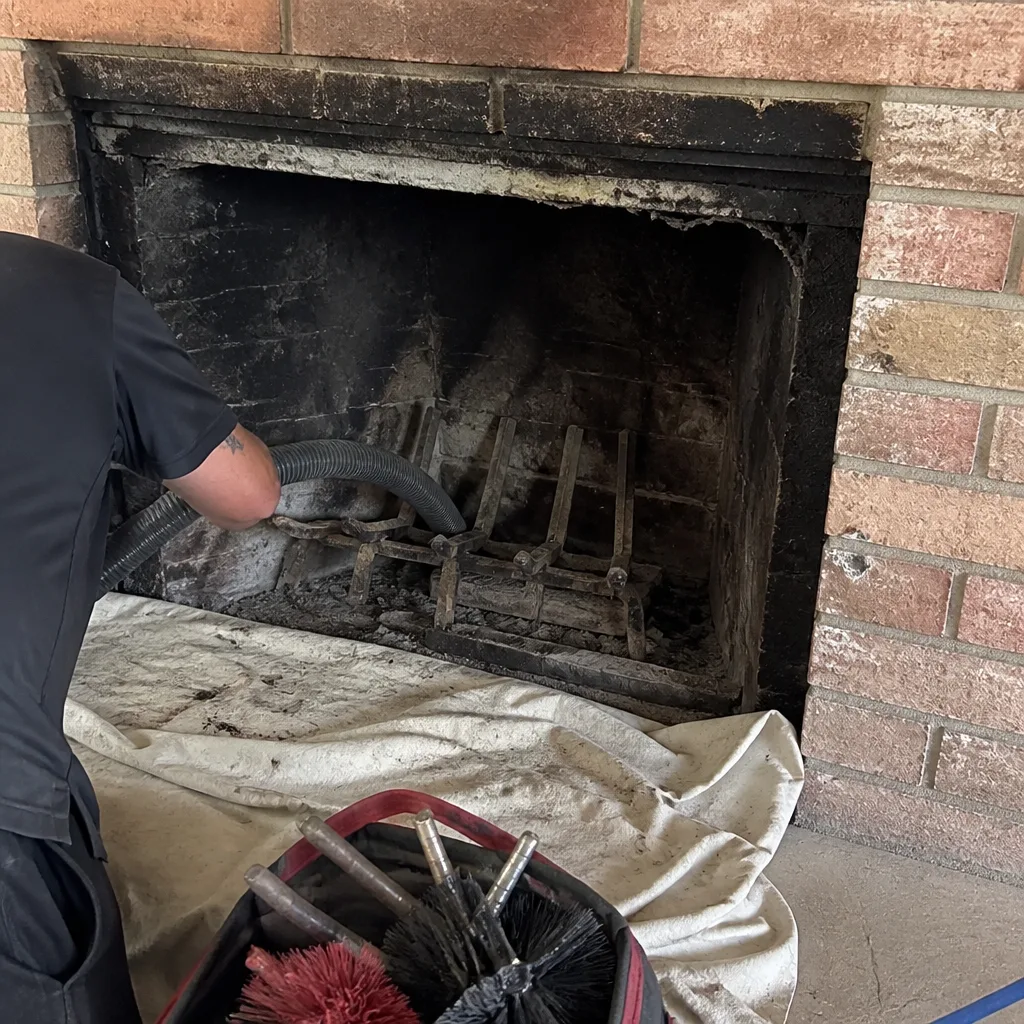 Before
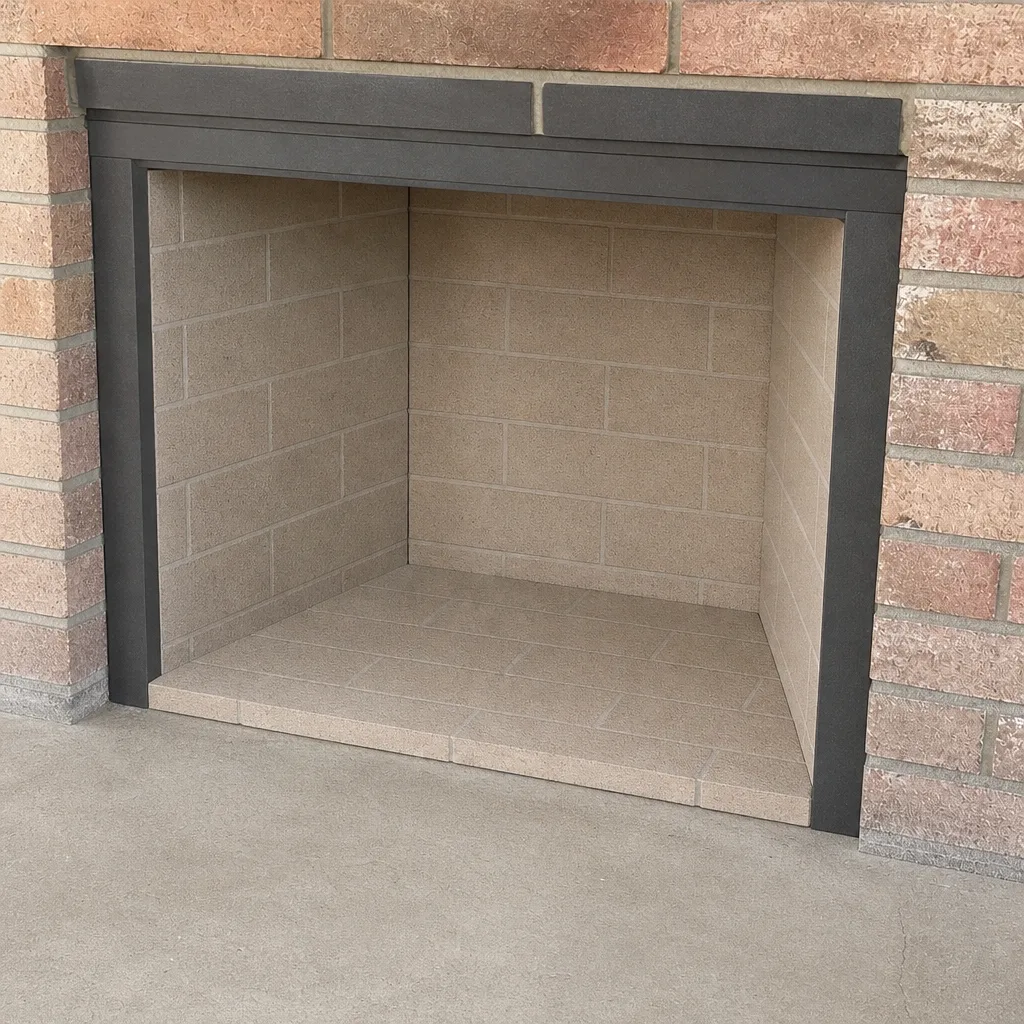 After
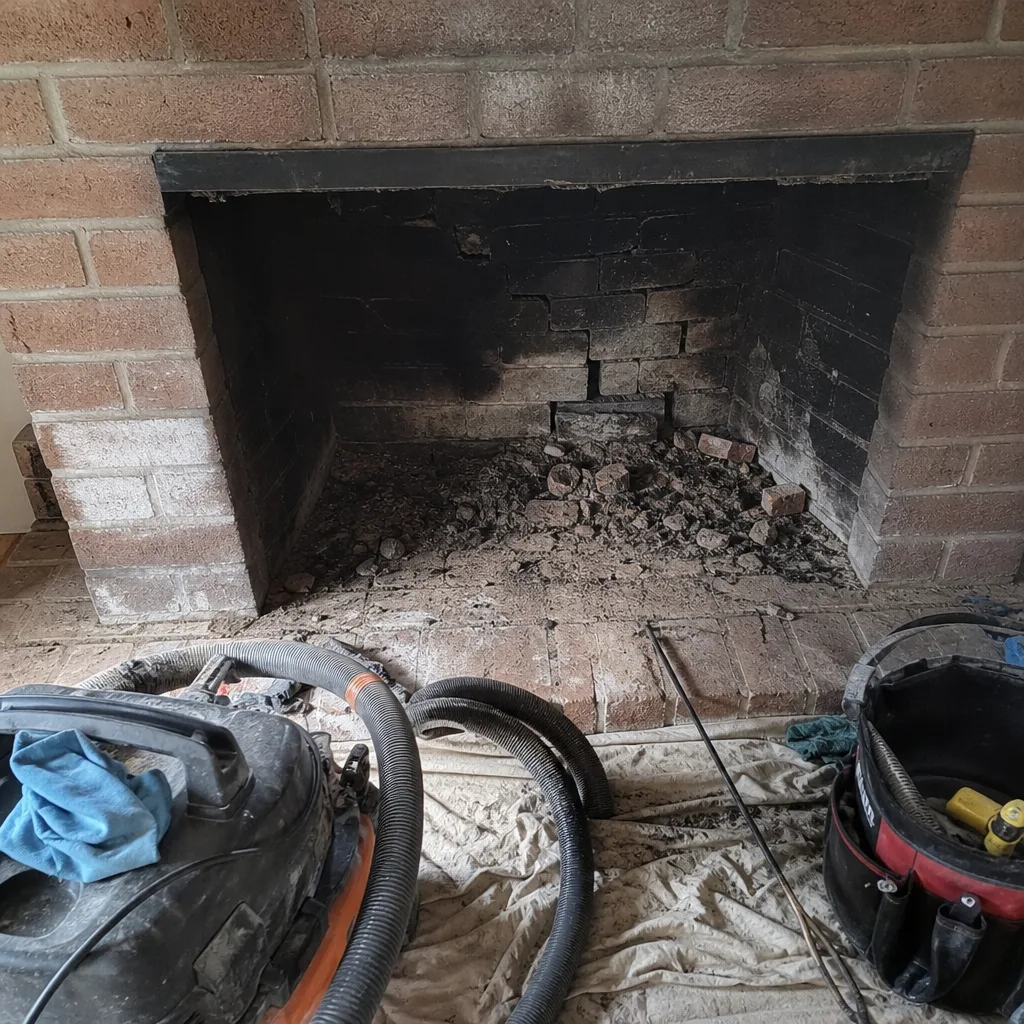 Before
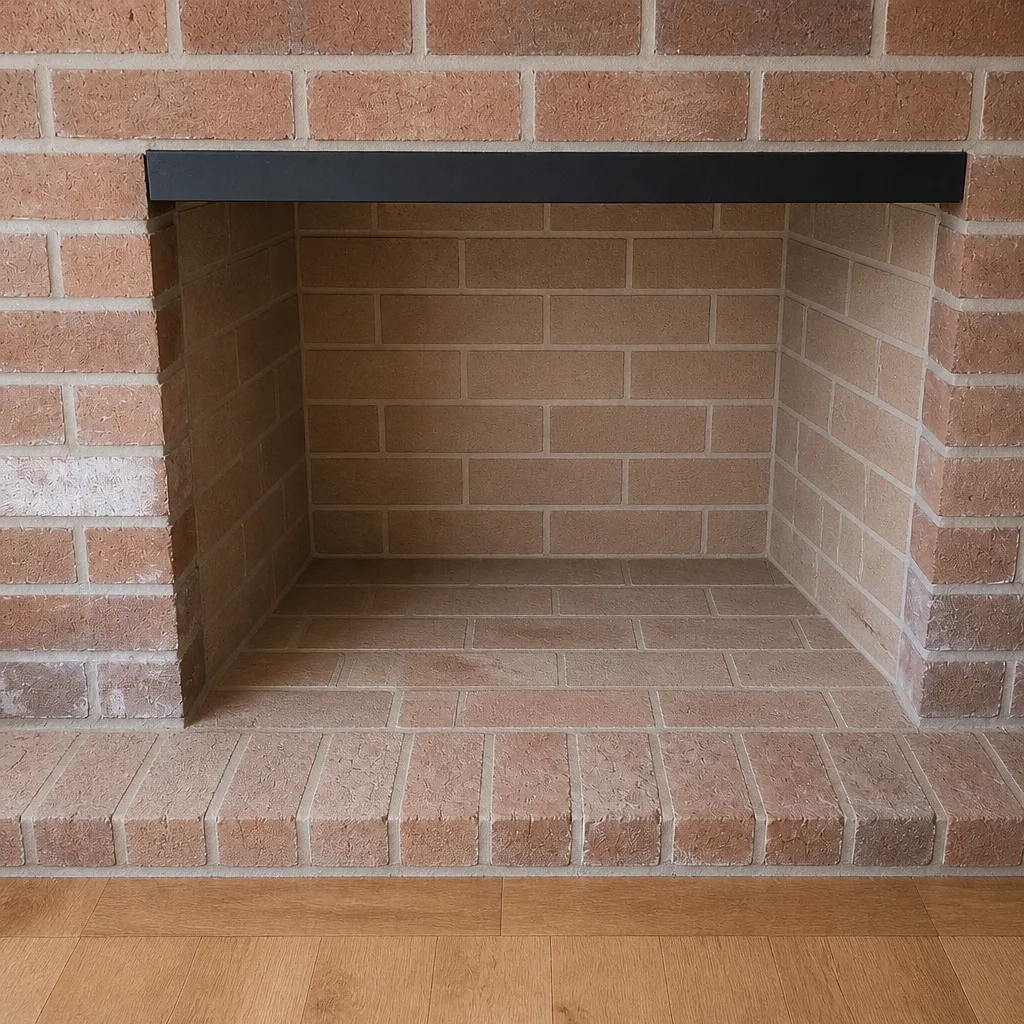 After
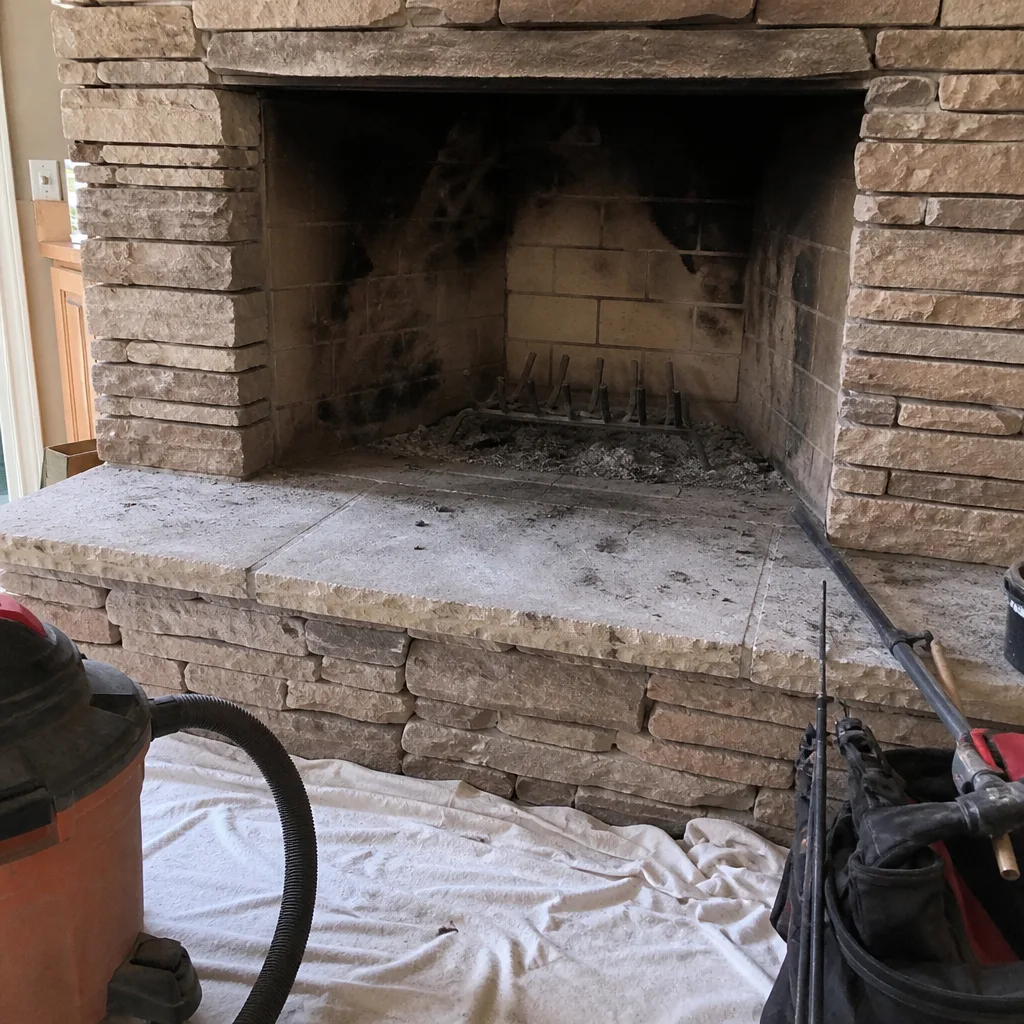 Before
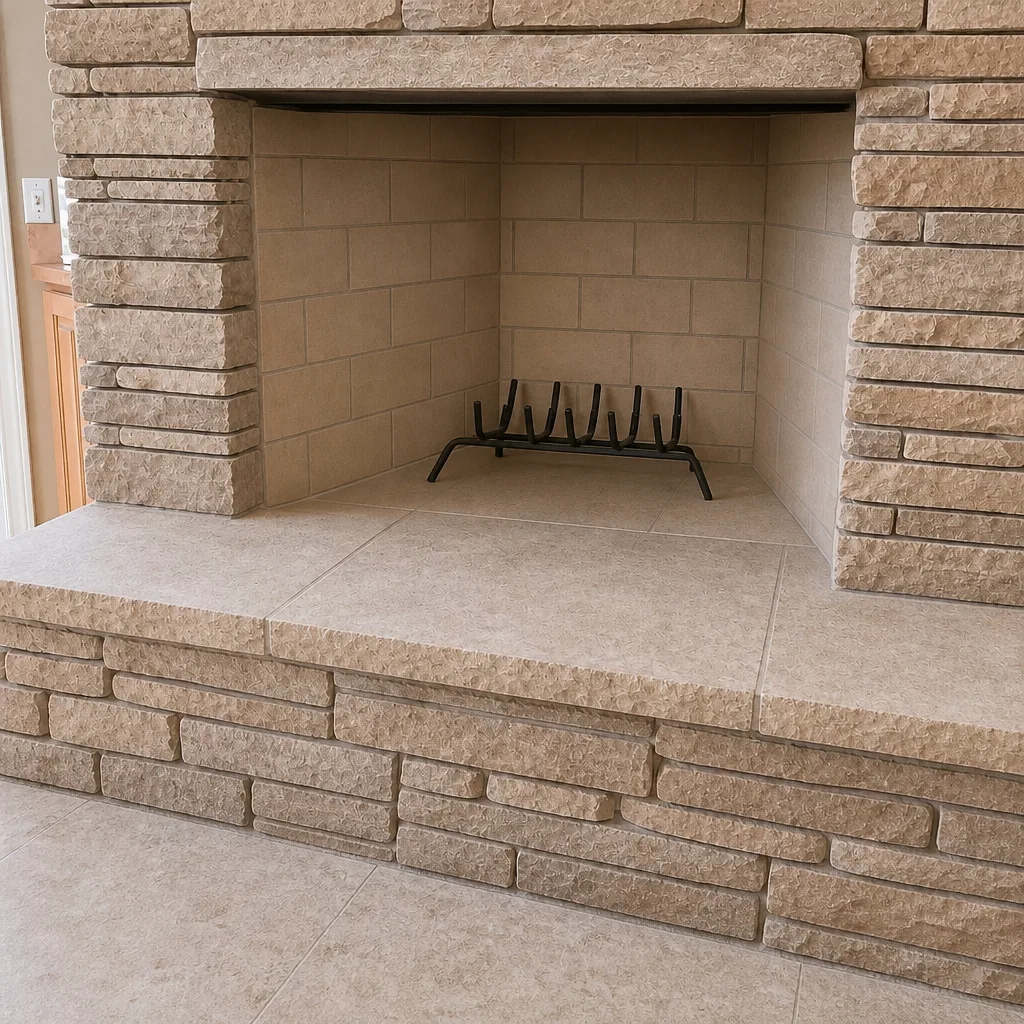 After
Frequently Asked Questions
The right products depend on the chimney. For masonry sealing, a vapor-permeable water repellent like ChimneySaver is the correct formulation in Scottsdale’s heat and sun, because it lets moisture escape instead of trapping it. For liner resurfacing, HeatShield is the industry’s leading system and requires a trained applicator. Creosote treatments range from preventative to reactive, and the right one is chosen from the inspection findings, not a default. Call (888) 340-2124 for a free estimate on the right products for your chimney.
Ask to see the label and the manufacturer documentation, confirm the technician prepared the substrate before application, and look at the finished work for a uniform, properly cured result. A professional-grade product also comes with product literature a specialist can hand you on request. If the contractor can’t name the product or show documentation, ask why before the work proceeds. Call (888) 340-2124 if you’d like a second opinion.
No. ChimneySaver is a vapor-permeable water repellent formulated for chimney masonry and crowns. A generic masonry sealer often forms a film that traps moisture inside the brick, which can accelerate spalling and efflorescence. The right product for a Scottsdale chimney is the one engineered for thermal cycling and moisture vapor escape. Ask your contractor which formulation they’re using and why; the answer will tell you a lot.
A preventative treatment is for a reasonably clean chimney where the goal is to slow future buildup. A reactive remover is for significant or glazed creosote that needs to be broken down before it can be removed safely. The right choice comes from an inspection, not from an assumption. Ask for the inspection record so you can see what’s actually in the flue. Call (888) 340-2124 to book an inspection.
No. HeatShield requires specialized training and a properly cleaned, dry substrate to bond, and crown coatings need the same clean, dry prep to hold. A failed application leaves an uneven surface or a coating that separates quickly, and in the case of a flue, an uneven surface is worse than the original condition. These are professional applications. Call (888) 340-2124 for an honest assessment of what your chimney needs.
We work with professional-grade lines across the trade, including HeatShield for liner resurfacing and smoke chamber work, DuraFlex for flexible stainless liner systems, and Gelco and Olympia Chimney for components like caps and venting parts. We also work with Saver Systems products for vapor-permeable sealing and Rutland for creosote treatments. Ask us which product we’re using on your chimney and why; we’ll tell you exactly. Call (888) 340-2124 for a free estimate in Scottsdale.
The Bottom Line
The best chimney cleaning brand for your Scottsdale home is the one whose products match the job. A vapor-permeable sealer like ChimneySaver protects masonry; a generic film-forming sealer can damage it. HeatShield is the right call for liner resurfacing and needs a trained applicator. Creosote treatments are chosen from inspection findings, not a default. Ask what product is being applied, confirm it’s the correct formulation for your application, and look for documented prep and a uniform finish. Sweep, inspect, repair: handled by one crew, start to finish. That’s the standard to hold any contractor to.
Ready for that kind of documented work? Call Scottsdale Chimney Sweep at (888) 340-2124 for a free estimate. We answer 24/7. Fast dispatch from 7am to 7pm, Sunday through Friday.
Written by the team at Scottsdale Chimney Sweep.